Electro Pneumatic Positioner Setup Problems and Fast Fixes




Why do electro pneumatic positioner setup problems matter so much?
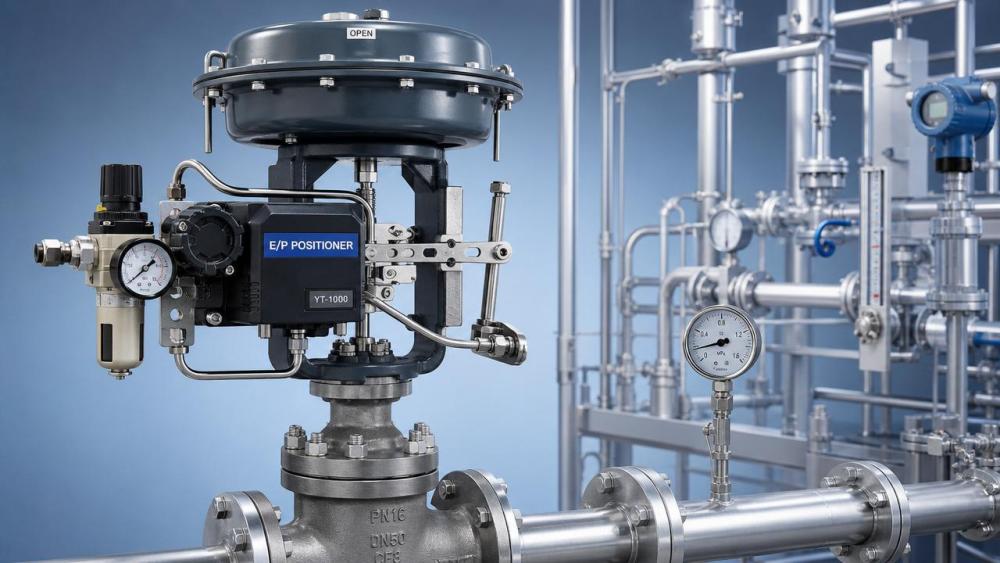
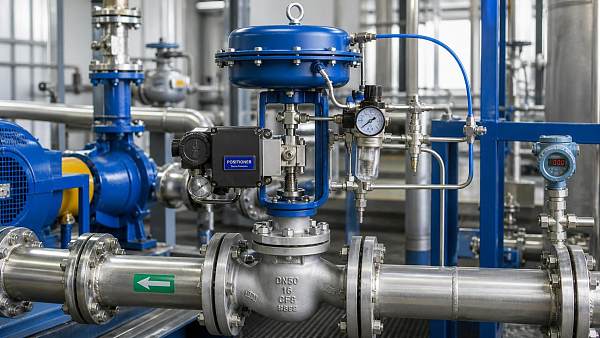
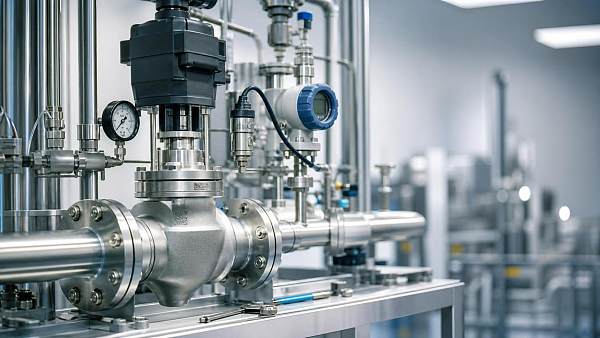
An electro pneumatic positioner looks small, but it controls how accurately a valve follows a signal.
When setup drifts, the result is rarely small. Valve hunting, slow travel, and unstable process conditions appear quickly.
In chemical lines, water treatment skids, compressor stations, and filtration systems, that instability can spread across the whole loop.
That is why electro pneumatic positioner performance matters across the broader fluid machinery world followed by FCSM.
Control valves act like the throat of an automated network. If the positioner is mis-set, the valve cannot meter flow correctly.
Simple adjustments often solve the issue, but only after the real cause is identified.
The practical question is not whether the electro pneumatic positioner failed completely. It is whether setup errors are already degrading control quality.
What usually causes an electro pneumatic positioner to misbehave after setup?
Most setup trouble starts with basics, not electronics. Air quality, linkage geometry, and signal scaling cause more problems than many expect.
A common case is clean calibration with no load, followed by poor behavior once the valve faces real process pressure.
Another frequent issue is mismatched stroke settings. The electro pneumatic positioner may think full travel is reached before the valve actually gets there.
Low or wet instrument air also changes response. The positioner then reacts slowly, overshoots, or sticks near one end.
Mechanical friction matters just as much. Packing that is too tight, worn stems, and bent feedback arms can imitate a control problem.
Signal issues are another layer. A weak 4-20 mA loop, grounding noise, or wrong split-range configuration can confuse the electro pneumatic positioner.
Before touching advanced parameters, it helps to separate the fault into four zones: air, mechanics, signal, and tuning.
This kind of symptom table saves time because it stops random parameter changes, which often make the electro pneumatic positioner harder to stabilize.
If the valve is hunting or drifting, where should you check first?
Start with supply air. It sounds basic, but unstable pressure is behind many recurring electro pneumatic positioner setup problems.
Check the regulator, filter, and tubing for pressure drop during travel, not only at idle.
Then look at the feedback linkage. Even slight looseness creates a false position signal and causes constant correction.
If both are sound, test the input loop. A drifting milliamp signal can look like a bad electro pneumatic positioner, even when the device is healthy.
One useful field habit is to isolate variables one by one. Hold the command steady, observe air output, then observe stem motion.
When hunting remains at a fixed command, tuning is a stronger suspect than signal wiring.
When drift follows ambient changes or compressor load swings, air quality becomes the more likely explanation.
- Confirm air supply pressure matches the positioner specification.
- Drain moisture traps and inspect filter elements.
- Verify the feedback arm moves freely across full stroke.
- Measure the real 4-20 mA signal at the terminals.
- Only then adjust damping, sensitivity, or gain settings.
That order matters. Tuning a sticky valve may temporarily hide the issue, but it rarely restores reliable control.
Can calibration alone fix an electro pneumatic positioner setup problem?
Sometimes yes, but not as often as people hope. Calibration helps only when the hardware and air path are already healthy.
If zero and span are wrong, recalibration can quickly restore proper travel and improve control accuracy.
But if the actuator spring is weak, the stem drags, or the nozzle is contaminated, calibration becomes a temporary mask.
A better approach is to treat calibration as the last step of correction, not the first reaction.
In actual plant service, the electro pneumatic positioner should be checked under realistic operating load whenever possible.
Bench settings can look perfect, yet fail once differential pressure changes across the valve trim.
This is especially true in smart pneumatic control valves used in corrosive, high-temperature, or high-pressure duties.
The same logic matters across the wider FCSM equipment landscape. Whether managing pumps, compressors, or filtration loops, field conditions decide actual control quality.
A practical calibration sequence that avoids wasted time
- Inspect tubing, fittings, and supply pressure first.
- Check full mechanical stroke by manual movement.
- Verify signal range and polarity.
- Set zero point carefully at the real closed position.
- Set span only after confirming full actuator response.
- Retest at several signal points, not only 0% and 100%.
Which setup mistakes create repeat failures later?
The most damaging mistakes are usually the quiet ones. The valve works, but never quite works well.
One example is ignoring air cleanliness. Oil, water, and fine solids shorten electro pneumatic positioner life and change response over time.
Another is setting aggressive gain to get faster movement during commissioning. That often leads to oscillation once process loads vary.
Feedback geometry is also underestimated. If the lever angle is wrong, the electro pneumatic positioner may deliver non-linear travel even after calibration.
Skipping actuator diagnostics is another trap. A positioner cannot compensate forever for diaphragm wear, spring fatigue, or internal leakage.
In energy-sensitive systems, these hidden faults raise more than maintenance effort. They can increase compressor air demand and reduce overall process efficiency.
That broader efficiency view is becoming more important as plants push digitalization, predictive maintenance, and lower-carbon operations.
Common mistakes worth eliminating early
- Using undersized air tubing on fast-stroking valves.
- Mounting the electro pneumatic positioner where vibration is excessive.
- Failing to document zero, span, and tuning values after setup.
- Retuning repeatedly before checking friction and backlash.
- Assuming all response problems come from the positioner alone.
How do you know when a fast fix is enough, and when deeper work is needed?
A fast fix is enough when the fault is clearly external to the core device.
Examples include clogged filters, loose fittings, wrong calibration range, or a signal mismatch after maintenance.
Deeper work is needed when the same electro pneumatic positioner symptom returns after correction, especially under changing process loads.
Repeated hunting, deadband growth, and inconsistent end travel usually point to actuator wear, internal contamination, or poor sizing.
A useful judgment is to ask whether the problem follows the device, the valve, or the service condition.
If the issue appears only in one pressure range, valve forces may be the root cause.
If it appears after every shutdown, air moisture control may be the missing piece.
If performance degrades slowly across months, inspection data should be trended rather than relying on one-time adjustment.
Quick decision guide
That distinction helps avoid a familiar cycle: reset, retune, restart, and then face the same electro pneumatic positioner problem again.
What should be on your checklist before the next startup?
A good startup checklist is less about paperwork and more about repeatable control quality.
For an electro pneumatic positioner, the aim is to confirm that signal, air, mechanics, and tuning still agree with each other.
- Record supply pressure before and during valve movement.
- Confirm zero and full stroke against actual valve position.
- Check for abnormal sound, vibration, or air leakage.
- Review tuning values against the last stable baseline.
- Note any process condition changes since the previous setup.
That last point is often missed. Process changes can shift valve forces enough to expose weaknesses that were hidden before.
If the electro pneumatic positioner is part of a wider critical network, include compressor air stability and upstream control behavior in the review.
Stable valve positioning supports more than one component. It protects pumps from upset flow, supports filtration balance, and improves whole-system efficiency.
The most reliable fast fix is usually disciplined troubleshooting, not rushed adjustment.
If problems keep returning, build a comparison record for symptoms, load conditions, and corrective actions. That makes the next diagnosis far faster and more accurate.
Related News
 How fluid control digitalization improves valve maintenance planningProcess Control ArchitectFluid control digitalization helps teams prioritize valve maintenance, reduce unplanned downtime, and improve reliability with actionable condition data.
 How smart valve positioners improve process control valve accuracyProcess Control ArchitectDiscover how smart positioners improve process control valve accuracy, reduce friction-related errors, enhance stability, and enable predictive maintenance.
 How to evaluate a valve automation supplier before placing an orderProcess Control ArchitectChoose a valve automation supplier with confidence. Learn how to assess engineering capability, compatibility, testing, lead times, and lifecycle support before ordering.
 How Does Industrial Automation Change Valve Specification Requirements?Process Control ArchitectHow does industrial automation change valve specification needs? Discover smarter sizing, diagnostics, protocols, fail-safe design, and lifecycle strategies for reliable control.
 Retrofit vs replacement automation: which option minimizes downtime?Process Control ArchitectRetrofit vs replacement automation: compare downtime, integration risk, lifecycle costs, and phased execution to protect uptime and modernize with confidence.
 When smart pneumatic control valves improve water treatment stabilityProcess Control ArchitectSmart pneumatic control valves for water treatment improve flow precision, dosing consistency, diagnostics, and plant stability. Learn how to select the right solution.
 When predictive maintenance for process valves pays off in plant operationsProcess Control ArchitectPredictive maintenance for process valves can cut downtime, reduce energy loss, and boost reliability. Learn when it pays off in plant operations—and how to justify the investment.
 Revised EN 14382:2026 Adds EMC Immunity Test for Smart Valve Positioners in EU ExportsProcess Control ArchitectEN 14382:2026 now mandates EMC immunity testing for Smart Valve Positioners, reshaping EU export compliance for valve OEMs and integrators. Learn what changed and how to prepare.
 FDA Tightens Import Rules for Smart Valve PositionersProcess Control ArchitectSmart valve positioners now face stricter FDA import rules. Learn how IEC 61508 SIL2 or UL 61508 documentation affects U.S. clearance, suppliers, and compliance planning.
 EN 14382:2026 Raises EU Entry Bar for Smart PositionersProcess Control ArchitectEN 14382:2026 raises the EU entry bar for Smart Valve Positioners with a 150 ms step response cap and IEC 62443-4-2 cybersecurity checks. Learn what exporters, buyers, and compliance teams must do before Nov 1, 2026.
 High-Precision Stainless Steel Control Valves for Corrosive Process LinesProcess Control ArchitectHigh-precision control valves stainless steel solutions improve corrosion resistance, flow stability, and safety in demanding process lines. Discover how to reduce downtime and boost control accuracy.
 How a Valve Performance Consultant Improves Uptime and Control AccuracyProcess Control ArchitectValve performance consultant insights to improve uptime, control accuracy, and energy efficiency. Learn how targeted diagnostics solve hidden valve issues across process systems.