Industrial Automation Solutions for Manufacturing: Key Checks




For technical evaluators, selecting industrial automation solutions for manufacturing requires more than checking features—it demands verification of control accuracy, energy efficiency, system compatibility, and lifecycle reliability. From pumps and valves to compressors and filtration systems, every component affects process stability and decarbonization goals. This guide highlights the key checks that help teams reduce risk, improve performance, and make better-informed automation decisions.
When buyers search for industrial automation solutions for manufacturing, the real intent is usually practical rather than theoretical. They want a way to assess options, compare suppliers, reduce technical risk, and confirm whether a solution will actually perform in a live production environment.
For technical evaluators, the biggest concern is not whether automation sounds promising. It is whether the proposed architecture can deliver stable control, integrate with existing assets, lower energy intensity, and remain maintainable across years of operation.
That means the evaluation process must go beyond software dashboards and marketing claims. In most manufacturing environments, the critical checks involve instrumentation quality, actuator response, compressor efficiency, pump behavior, valve accuracy, data interoperability, and support for predictive maintenance.
What Should Technical Evaluators Check First?
The first question is simple: what production problem is the automation system solving? Strong industrial automation solutions for manufacturing should be tied to measurable outcomes such as tighter process control, lower downtime, reduced energy consumption, improved safety, or better product consistency.
If a vendor cannot connect the system design to clear process constraints, evaluation should slow down. Technical teams need to see how automation will affect throughput bottlenecks, critical utilities, pressure stability, temperature windows, fluid handling reliability, and operator intervention frequency.
It is also essential to define the evaluation boundary early. Some projects focus on a single skid, compressor room, pump station, or valve cluster. Others involve plantwide digital integration, remote diagnostics, and centralized control across several utility and process systems.
Without that boundary, feature comparisons become misleading. A control package that looks advanced on paper may be excessive for a localized retrofit, or too limited for a broader modernization program that includes energy management and predictive analytics.
How Do You Verify Control Accuracy and Process Stability?
Control accuracy is one of the most important technical checks because small deviations can create major quality losses or utility waste. Evaluators should ask how the automation solution measures, corrects, and maintains critical variables under normal loads and upset conditions.
For fluid and gas systems, the key variables often include flow, pressure, level, temperature, vibration, dew point, filtration differential pressure, and valve position. The control system must not only detect change, but react fast enough to prevent instability.
In pump applications, unstable suction conditions, cavitation risk, and fluctuating demand can reduce control quality. A strong automation design should show how it handles variable flow requirements, protects against dry running, and maintains efficient operating windows.
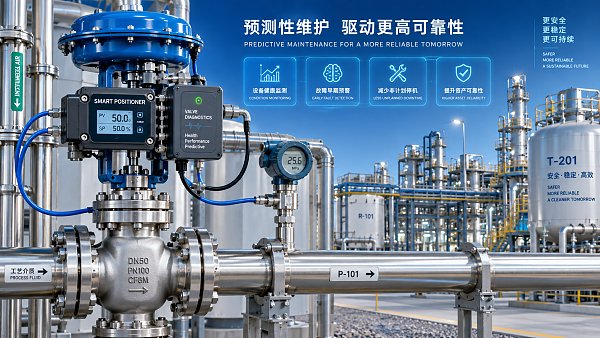
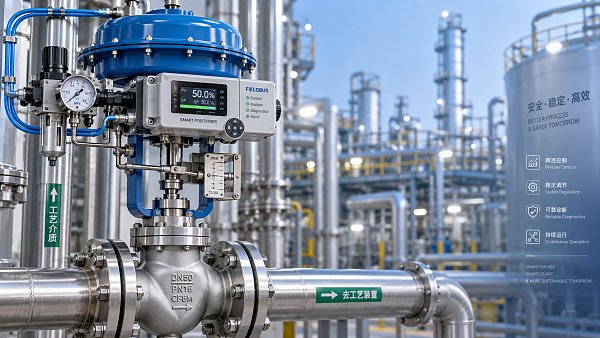
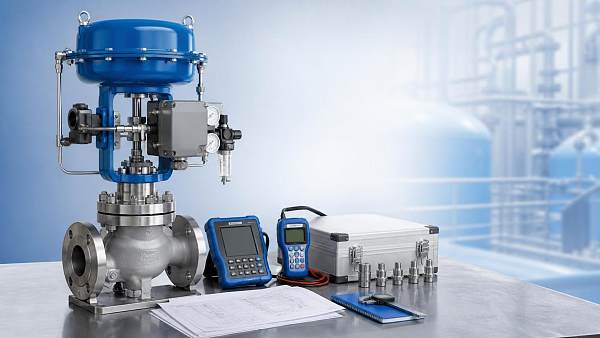
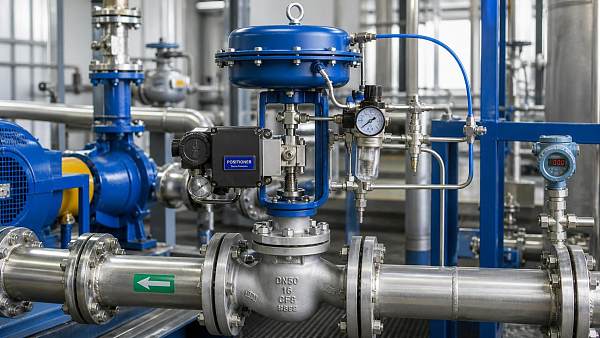
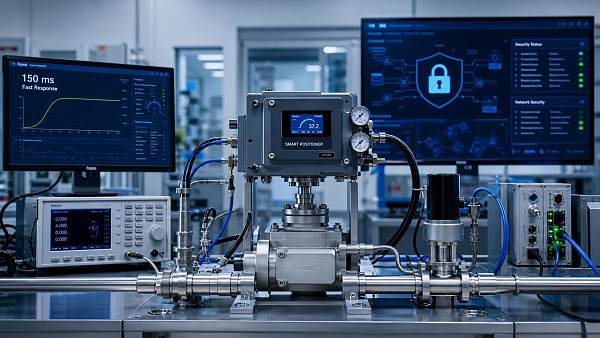
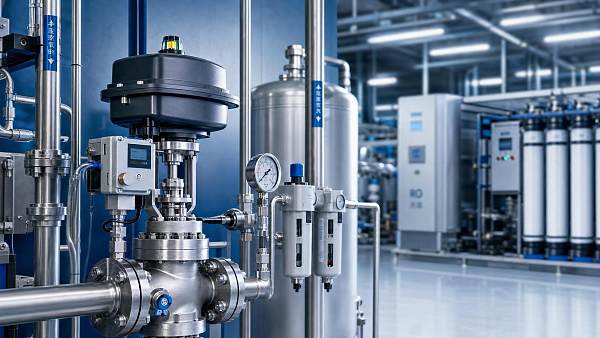
In pneumatic valve systems, accuracy depends on more than the valve body itself. Positioner resolution, actuator sizing, signal quality, trim design, and control loop tuning all affect whether the valve can modulate precisely in corrosive, high-temperature, or high-pressure conditions.
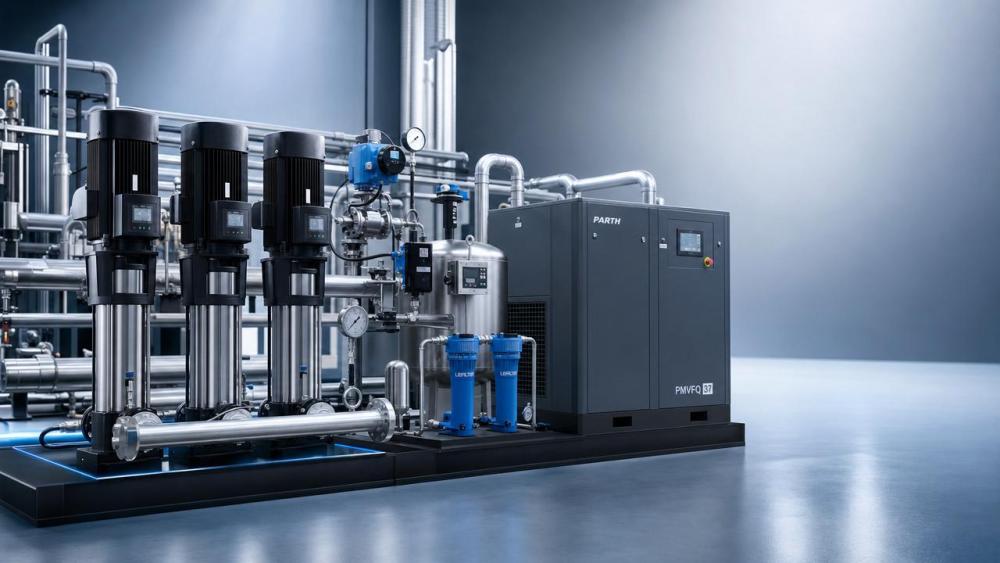
For air compressor systems, evaluators should look at pressure band control, sequencing logic, variable speed coordination, and load-unload behavior. Poor compressor control can create artificial demand, unstable pressure, and wasted electricity even when equipment quality is otherwise high.
A useful supplier response should include loop performance data, response times, control philosophy, alarm handling logic, and examples of how the solution behaves during startup, shutdown, peak load shifts, and sensor anomalies.
Can the Solution Integrate with Existing Equipment and Control Layers?
Compatibility is often where promising projects fail. Many manufacturing sites already operate mixed generations of PLCs, DCS platforms, SCADA layers, instrumentation protocols, and utility equipment from multiple vendors. Industrial automation solutions for manufacturing must fit that reality.
Technical evaluators should verify protocol support first. Common requirements may include Modbus, Profinet, EtherNet/IP, OPC UA, HART, or vendor-specific interfaces. Integration should be reviewed not only at device level, but also at historian, MES, and enterprise reporting levels.
Retrofitting pumps, compressors, filtration units, and smart valves often creates hidden interface issues. Legacy motors may need new drives. Existing transmitters may not meet signal accuracy requirements. Older valve actuators may not support the feedback quality needed for advanced control.
Another key check is edge versus central architecture. Some manufacturers benefit from local control intelligence near skids or process islands, while others need stronger central visibility. The best design is usually the one that balances resilience, latency, cybersecurity, and maintainability.
Evaluators should also ask whether integration requires extensive custom coding. Highly customized systems may work initially, but they often increase lifecycle cost, reduce transparency, and complicate future upgrades. Standardized and well-documented integration is usually the safer long-term choice.
How Do You Assess Energy Efficiency Without Trusting Marketing Claims?
Energy efficiency is now a core evaluation criterion, especially in projects linked to carbon reduction, utility cost pressure, or regulatory targets. But many claims are too general. Technical teams need evidence tied to actual operating profiles.
For pump systems, check whether the supplier has mapped duty points, part-load behavior, and system curve interaction. A high-efficiency pump on paper may perform poorly if the control strategy forces throttling losses or unstable off-design operation.
For compressor rooms, evaluators should request specific power data, turndown performance, sequencing strategy, leakage response assumptions, and heat recovery options. Permanent magnet variable frequency systems and two-stage compression can be valuable, but only if matched correctly to demand patterns.
For control valves, energy efficiency is often indirect but still important. Better valve authority and stable modulation can reduce process waste, prevent overpressure, and lower the energy burden on upstream pumps and compressors.
In filtration and separation systems, automation can improve energy performance by optimizing backwash frequency, membrane cleaning cycles, pressure management, and sludge handling. These process adjustments can materially affect operating cost over time.
The best validation method is to request a baseline-versus-proposed model using site data. That should include operating hours, load variations, utility tariffs, maintenance assumptions, and expected control improvements. Without this, efficiency claims remain too abstract for serious selection.
What Reliability and Maintenance Checks Matter Most?
Lifecycle reliability is often more valuable than an impressive initial feature list. Evaluators should examine how the automation solution supports uptime, diagnostics, failure isolation, and serviceability across all critical equipment categories.
For pumps, check vibration monitoring, seal condition logic, bearing temperature tracking, and cavitation indicators. For valves, review stroke feedback quality, position deviation alarms, air supply health, and smart positioner diagnostics. For compressors, focus on pressure, temperature, oil condition, and motor trends.
Predictive maintenance capability is especially important when automation is being justified as a long-term operational improvement. However, predictive claims should be challenged. Ask what models are used, what failure modes are detectable, and how many false positives the system typically generates.
Spare parts strategy also belongs in the automation review. If a system depends on proprietary modules with long lead times, technical risk rises quickly. Good industrial automation solutions for manufacturing should be maintainable with realistic inventory, service access, and training plans.
Another practical check is failure behavior. What happens if a sensor drifts, a network segment drops, a valve fails to travel, or a drive trips? Evaluators should understand fallback states, redundancy options, manual override procedures, and alarm prioritization before approving deployment.
How Important Are Data Quality, Visibility, and Decision Support?
Automation creates value only when the data is trustworthy and usable. Technical evaluators should review data acquisition accuracy, timestamp consistency, historian structure, alarm rationalization, and dashboard relevance rather than being impressed by visual design alone.
For manufacturing environments with pumps, valves, compressors, and separation systems, the most useful data usually combines process, condition, and energy layers. This helps teams connect product quality and throughput with asset health and utility consumption.
For example, a pressure fluctuation might appear minor in isolation. But when linked with compressor loading patterns, valve travel instability, and increased pump vibration, it may reveal a broader control issue that affects both maintenance cost and process reliability.
Evaluators should ask whether the platform supports root-cause analysis, exception reporting, and role-based visibility. Operators, maintenance teams, energy managers, and process engineers do not all need the same interface. Good system design reflects those differences clearly.
Cybersecurity should be part of the same discussion. Data openness must be balanced with access control, segmentation, patching discipline, and remote support governance. A connected plant is not truly modernized if increased exposure creates unacceptable operational risk.
How Should Technical Teams Compare Vendors and Solutions?
A useful comparison method is to score vendors across a weighted matrix. Typical categories include control performance, equipment compatibility, energy impact, reliability design, diagnostics depth, cybersecurity readiness, service capability, documentation quality, and total lifecycle cost.
Technical evaluators should also separate mandatory requirements from differentiators. Protocol compatibility, safety compliance, and core control functionality may be non-negotiable. Advanced analytics, digital twins, or remote optimization may be valuable, but only after fundamentals are proven.
Site references matter, especially when they match the same process conditions. A supplier with strong experience in fluid control, compressor optimization, smart valve integration, or industrial filtration automation will usually identify implementation issues earlier than a generic platform vendor.
Documentation quality is another strong signal. Clear P&IDs, control narratives, I/O lists, alarm philosophies, energy models, maintenance workflows, and commissioning plans usually indicate engineering maturity. Weak documentation often predicts weak project execution.
Finally, run a practical risk review. Ask what assumptions the proposal depends on, what interfaces remain undefined, what site preparation is needed, and which performance outcomes are guaranteed versus estimated. That level of scrutiny helps prevent expensive surprises after purchase.
Final View: What Defines a Strong Automation Decision?
The best industrial automation solutions for manufacturing are not the ones with the longest feature lists. They are the ones that show verifiable control accuracy, realistic integration pathways, measurable energy benefits, maintainable architecture, and dependable lifecycle support.
For technical evaluators, the right decision framework starts with process needs and ends with operational proof. Pumps, valves, compressors, and filtration systems should be reviewed as parts of one performance system, not as isolated equipment categories.
If a solution can demonstrate stable operation, fit existing infrastructure, reduce utility waste, improve asset visibility, and support predictive maintenance without excessive complexity, it deserves serious consideration. If it cannot, even a modern-looking platform may add more risk than value.
In practical terms, good evaluation means testing claims against data, interfaces, failure modes, and real operating conditions. That disciplined approach is what turns automation from a capital project into a durable manufacturing advantage.
Related News
 How fluid control digitalization improves valve maintenance planningProcess Control ArchitectFluid control digitalization helps teams prioritize valve maintenance, reduce unplanned downtime, and improve reliability with actionable condition data.
 How smart valve positioners improve process control valve accuracyProcess Control ArchitectDiscover how smart positioners improve process control valve accuracy, reduce friction-related errors, enhance stability, and enable predictive maintenance.
 How to evaluate a valve automation supplier before placing an orderProcess Control ArchitectChoose a valve automation supplier with confidence. Learn how to assess engineering capability, compatibility, testing, lead times, and lifecycle support before ordering.
 How Does Industrial Automation Change Valve Specification Requirements?Process Control ArchitectHow does industrial automation change valve specification needs? Discover smarter sizing, diagnostics, protocols, fail-safe design, and lifecycle strategies for reliable control.
 Retrofit vs replacement automation: which option minimizes downtime?Process Control ArchitectRetrofit vs replacement automation: compare downtime, integration risk, lifecycle costs, and phased execution to protect uptime and modernize with confidence.
 When smart pneumatic control valves improve water treatment stabilityProcess Control ArchitectSmart pneumatic control valves for water treatment improve flow precision, dosing consistency, diagnostics, and plant stability. Learn how to select the right solution.
 When predictive maintenance for process valves pays off in plant operationsProcess Control ArchitectPredictive maintenance for process valves can cut downtime, reduce energy loss, and boost reliability. Learn when it pays off in plant operations—and how to justify the investment.
 Revised EN 14382:2026 Adds EMC Immunity Test for Smart Valve Positioners in EU ExportsProcess Control ArchitectEN 14382:2026 now mandates EMC immunity testing for Smart Valve Positioners, reshaping EU export compliance for valve OEMs and integrators. Learn what changed and how to prepare.
 FDA Tightens Import Rules for Smart Valve PositionersProcess Control ArchitectSmart valve positioners now face stricter FDA import rules. Learn how IEC 61508 SIL2 or UL 61508 documentation affects U.S. clearance, suppliers, and compliance planning.
 EN 14382:2026 Raises EU Entry Bar for Smart PositionersProcess Control ArchitectEN 14382:2026 raises the EU entry bar for Smart Valve Positioners with a 150 ms step response cap and IEC 62443-4-2 cybersecurity checks. Learn what exporters, buyers, and compliance teams must do before Nov 1, 2026.
 High-Precision Stainless Steel Control Valves for Corrosive Process LinesProcess Control ArchitectHigh-precision control valves stainless steel solutions improve corrosion resistance, flow stability, and safety in demanding process lines. Discover how to reduce downtime and boost control accuracy.
 How a Valve Performance Consultant Improves Uptime and Control AccuracyProcess Control ArchitectValve performance consultant insights to improve uptime, control accuracy, and energy efficiency. Learn how targeted diagnostics solve hidden valve issues across process systems.