Process Control Solutions for Unstable Flow Conditions




Process Control Solutions for Unstable Flow Conditions
When unstable flow conditions appear, they rarely stay isolated for long.
A small fluctuation in pressure, velocity, or density can trigger energy loss, valve wear, pump cavitation, poor separation, and unplanned downtime.
That is why process control solutions matter most when operating conditions stop behaving as expected.
In real facilities, unstable flow may come from batch changes, variable feed quality, compressor cycling, fouling, or a control loop tuned for yesterday’s demand.
The challenge is not only stopping the disturbance.
It is building process control solutions that keep pumps, valves, compressors, and filtration equipment stable under changing loads.
For industrial teams, better flow stability means safer operation, lower energy use, stronger asset life, and fewer surprises during commissioning and ramp-up.
Why Unstable Flow Conditions Escalate So Quickly
Unstable flow conditions are dangerous because they travel across equipment boundaries.
A pressure swing at the pump suction can change valve behavior downstream.
A sticky control valve can force compressors to hunt.
A fouled filter can shift the whole system curve.
This is where many process control solutions fail.
They treat one device as the problem, while the real issue is system interaction.
Typical warning signs include:
- repeating pressure oscillation
- valve position cycling
- pump vibration near low-flow operation
- air compressor load and unload instability
- separator performance drifting during feed variation
- energy consumption rising without output gain
From a project delivery perspective, these signals should be treated as early control problems, not maintenance noise.
The longer they remain unchecked, the more expensive the correction becomes.
Start With the Flow Behavior, Not the Instrument List
Good process control solutions begin with a simple question.
What exactly is unstable?
Is the flow rate changing too quickly, or is the pressure boundary moving?
Is the fluid flashing, cavitating, entraining gas, or carrying solids that alter control response?
That diagnosis shapes the solution path.
A centrifugal pump facing low NPSH margin needs a different strategy from a pneumatic valve exposed to sonic flow.
A compressor network with rapid demand swings needs a different response from a membrane system dealing with fouling and concentration spikes.
Before selecting hardware upgrades, map these four points:
- the disturbance source
- the speed of the disturbance
- the equipment most sensitive to it
- the operating window where instability starts
This step keeps process control solutions practical.
It also prevents overspending on devices that look advanced but solve the wrong problem.
Core Process Control Solutions That Stabilize Industrial Flow
The most effective process control solutions usually combine instrumentation, loop logic, and equipment protection.
One layer alone is rarely enough.
1. Improve measurement quality first
Bad data creates bad control.
If the transmitter is noisy, poorly located, or delayed, the loop will chase false movement.
For unstable flow conditions, sensor placement and response time matter as much as accuracy.
2. Re-tune loops for the real operating range
Many loops are tuned during steady commissioning conditions.
Later, the plant runs at partial load, different feed temperature, or higher recycle ratio.
Process control solutions should match actual operating reality, not startup assumptions.
3. Protect against surge, cavitation, and choke points
A stable loop still fails if the equipment is operating near physical limits.
Use anti-surge logic for compressors, minimum flow recirculation for pumps, and valve trims sized for the real pressure drop.
4. Add feedforward where disturbances are predictable
If upstream variation can be measured, do not wait for the downstream loop to suffer.
Feedforward logic is one of the most underused process control solutions in variable industrial systems.
5. Use variable speed control where energy and stability align
For pumps and compressors, variable frequency drives often improve both stability and efficiency.
They reduce throttling losses and keep equipment away from unstable zones.
How These Solutions Apply Across Key Equipment
The same instability never looks identical across different assets.
That is why equipment-specific process control solutions are critical.
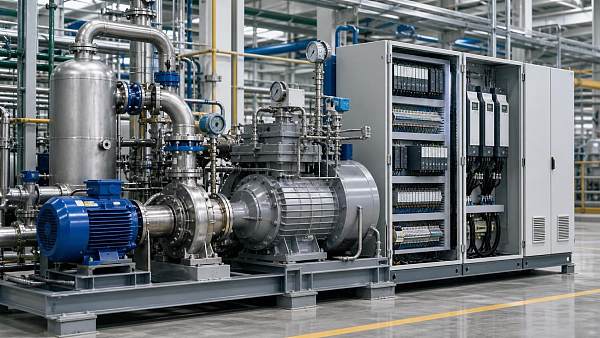
Centrifugal pumps
Watch for cavitation, recirculation, and operation too far left on the curve.
Useful process control solutions include suction pressure monitoring, minimum flow bypass, and speed control linked to system demand.
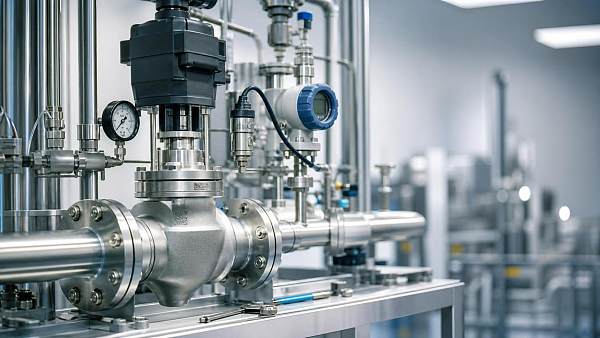
High-precision control valves
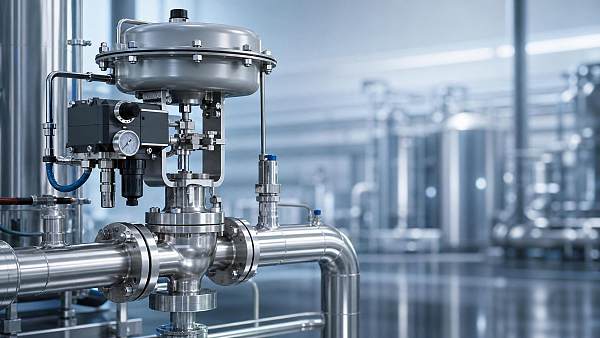
Oversized valves often hunt at low opening percentages.
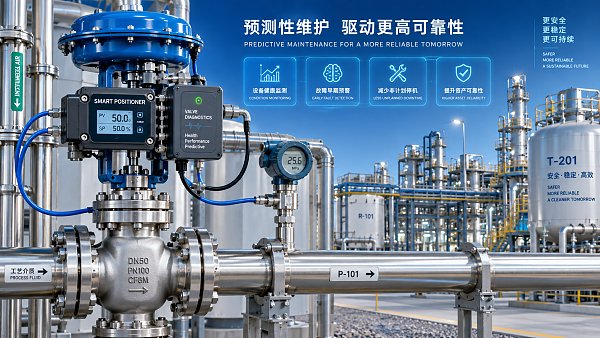
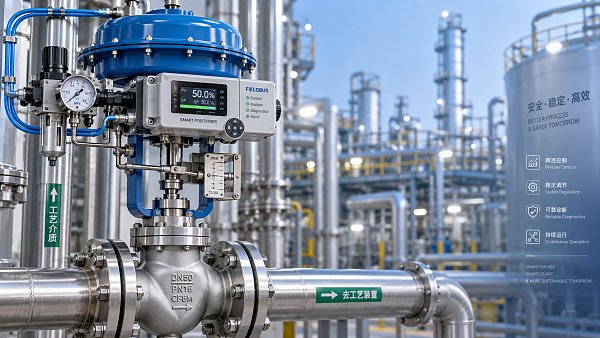
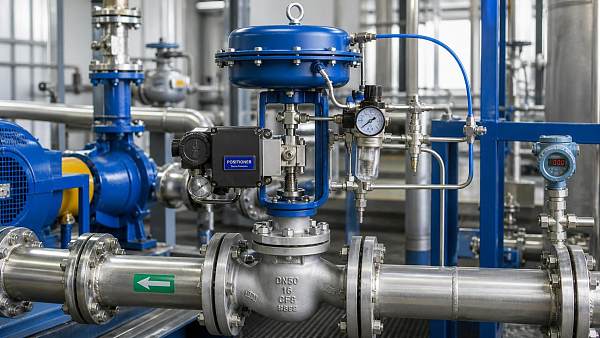
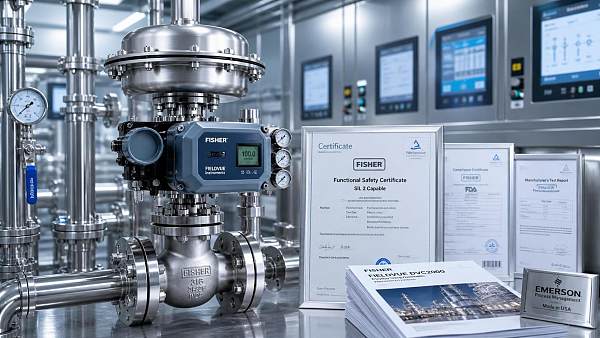
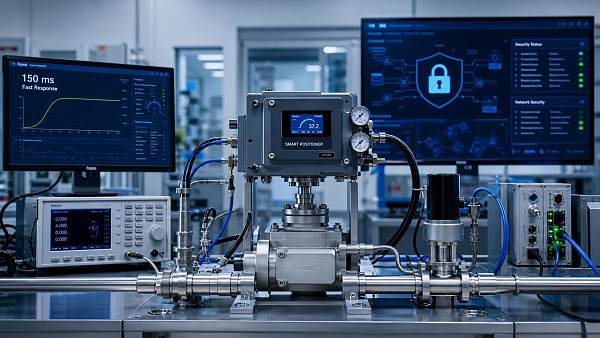
Smart positioners, correct trim selection, and split-range logic are strong process control solutions for this problem.
Air compressor systems
Network instability often comes from poor sequencing, storage imbalance, or aggressive pressure bands.
Better compressor coordination and demand-side control are practical process control solutions here.
Filtration and separation systems
Feed variability changes differential pressure, flux, and cleaning frequency.
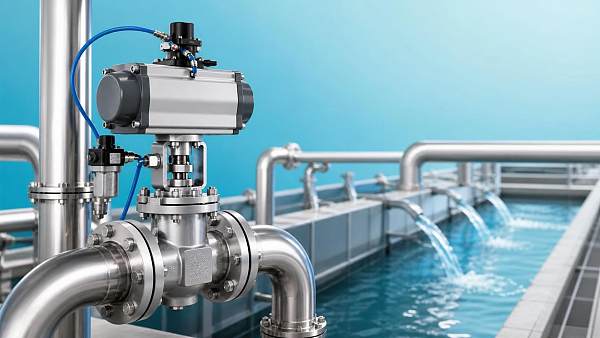
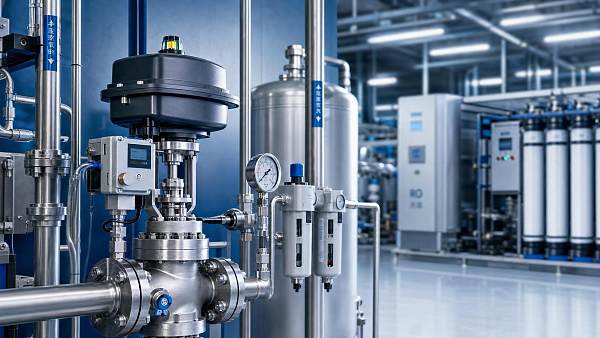
Stable dosing, pressure control, and fouling prediction are process control solutions that protect throughput and water quality.
A Practical Selection Framework for Project Teams
When choosing process control solutions, it helps to rank options by operational impact, implementation speed, and lifecycle value.
A simple decision table keeps discussions grounded.
This kind of structure makes process control solutions easier to defend during design review, budget planning, and operational handover.
What Stronger Digital Visibility Changes
Recent changes in industrial operations have made digital visibility more valuable.
Facilities now expect process control solutions to do more than hold a setpoint.
They must also explain why instability starts, how often it repeats, and which asset is drifting first.
That is where historian analysis, digital twins, and condition-based monitoring become useful.
For example, cavitation signatures in pump data, valve travel deviation, or compressor thermal patterns can reveal hidden control issues early.
These insights turn process control solutions from reactive fixes into predictive strategies.
In sectors pushing for lower carbon intensity, that shift matters even more.
Stable flow usually means less wasted compression, less throttling, and better overall equipment efficiency.
A Clear Action Path for More Stable Flow
The best process control solutions are rarely the most complicated.
They are the ones that match fluid behavior, equipment limits, and operating goals.
Start by identifying where instability begins, then confirm whether the root cause is measurement, tuning, equipment sizing, or process variation.
After that, prioritize process control solutions that reduce risk quickly and create measurable gains in uptime, energy performance, and asset protection.
In practice, the strongest results usually come from coordinated action across pumps, control valves, compressors, and separation systems rather than isolated fixes.
When that coordination is built into design and operation, unstable flow becomes manageable, and the plant becomes far more predictable.
Related News
 How fluid control digitalization improves valve maintenance planningProcess Control ArchitectFluid control digitalization helps teams prioritize valve maintenance, reduce unplanned downtime, and improve reliability with actionable condition data.
 How smart valve positioners improve process control valve accuracyProcess Control ArchitectDiscover how smart positioners improve process control valve accuracy, reduce friction-related errors, enhance stability, and enable predictive maintenance.
 How to evaluate a valve automation supplier before placing an orderProcess Control ArchitectChoose a valve automation supplier with confidence. Learn how to assess engineering capability, compatibility, testing, lead times, and lifecycle support before ordering.
 How Does Industrial Automation Change Valve Specification Requirements?Process Control ArchitectHow does industrial automation change valve specification needs? Discover smarter sizing, diagnostics, protocols, fail-safe design, and lifecycle strategies for reliable control.
 Retrofit vs replacement automation: which option minimizes downtime?Process Control ArchitectRetrofit vs replacement automation: compare downtime, integration risk, lifecycle costs, and phased execution to protect uptime and modernize with confidence.
 When smart pneumatic control valves improve water treatment stabilityProcess Control ArchitectSmart pneumatic control valves for water treatment improve flow precision, dosing consistency, diagnostics, and plant stability. Learn how to select the right solution.
 When predictive maintenance for process valves pays off in plant operationsProcess Control ArchitectPredictive maintenance for process valves can cut downtime, reduce energy loss, and boost reliability. Learn when it pays off in plant operations—and how to justify the investment.
 Revised EN 14382:2026 Adds EMC Immunity Test for Smart Valve Positioners in EU ExportsProcess Control ArchitectEN 14382:2026 now mandates EMC immunity testing for Smart Valve Positioners, reshaping EU export compliance for valve OEMs and integrators. Learn what changed and how to prepare.
 FDA Tightens Import Rules for Smart Valve PositionersProcess Control ArchitectSmart valve positioners now face stricter FDA import rules. Learn how IEC 61508 SIL2 or UL 61508 documentation affects U.S. clearance, suppliers, and compliance planning.
 EN 14382:2026 Raises EU Entry Bar for Smart PositionersProcess Control ArchitectEN 14382:2026 raises the EU entry bar for Smart Valve Positioners with a 150 ms step response cap and IEC 62443-4-2 cybersecurity checks. Learn what exporters, buyers, and compliance teams must do before Nov 1, 2026.
 High-Precision Stainless Steel Control Valves for Corrosive Process LinesProcess Control ArchitectHigh-precision control valves stainless steel solutions improve corrosion resistance, flow stability, and safety in demanding process lines. Discover how to reduce downtime and boost control accuracy.
 How a Valve Performance Consultant Improves Uptime and Control AccuracyProcess Control ArchitectValve performance consultant insights to improve uptime, control accuracy, and energy efficiency. Learn how targeted diagnostics solve hidden valve issues across process systems.