2026 Cost Analysis of Scalable Industrial Automation Solutions




As manufacturers and process operators plan for 2026, understanding the true cost drivers behind scalable industrial automation solutions is critical for smarter capital allocation.
From compressed air systems and smart control valves to pumps, filtration, and digital monitoring, this analysis compares upfront investment, lifecycle efficiency, and long-term ROI.
In a market shaped by decarbonization, digitalization, and supply volatility, scalable industrial automation solutions are no longer judged by purchase price alone.
Why 2026 changes the cost equation for scalable industrial automation solutions
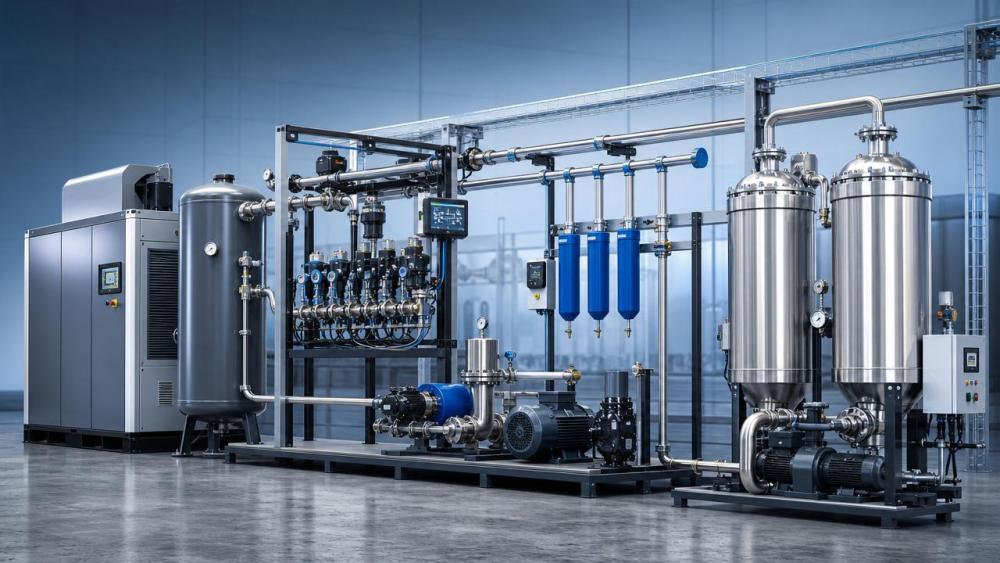
The 2026 cost outlook is being reshaped by energy pricing, carbon targets, and tighter performance expectations across general industry.
Facilities now expect scalable industrial automation solutions to expand capacity, stabilize quality, and reduce maintenance interruptions at the same time.
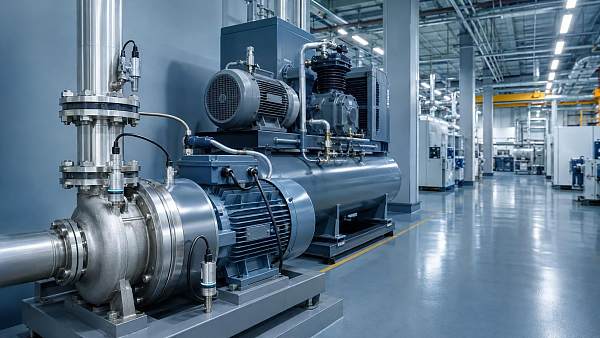
This is especially visible in fluid and gas systems, where pumps, valves, compressors, and separation equipment directly affect energy intensity and uptime.
FCSM’s market observation shows a clear shift from isolated equipment buying toward integrated, data-aware automation architecture.
That shift increases initial engineering effort, yet often lowers total cost of ownership over the equipment lifecycle.
Current signals show cost pressure moving beyond hardware prices
In previous cycles, buyers compared motors, actuators, PLCs, and instrumentation mainly on acquisition cost.
For 2026, the larger question is how scalable industrial automation solutions perform under changing production loads and energy constraints.
Variable frequency drives, smart pneumatic control valves, and digitally monitored pump sets now influence operating cost more than before.
Compressed air systems also face greater scrutiny because leakage, poor control logic, and oversized machines create hidden cost layers.
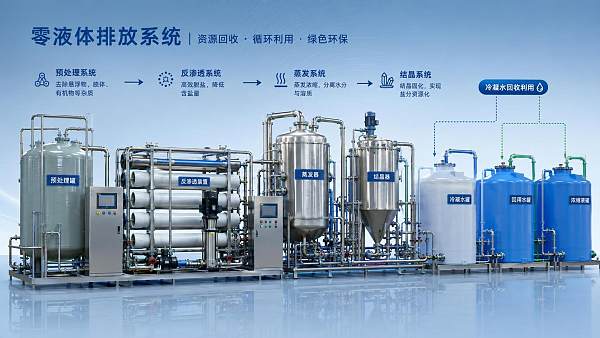
Filtration and separation lines are another pressure point, especially where Zero Liquid Discharge goals require stable automation and precise flow control.
Key trend signals seen across 2025 into 2026
- Higher electricity costs raise the value of efficient automation architecture.
- More projects require modular expansion instead of one-time oversized systems.
- Digital diagnostics become a baseline expectation for critical rotating equipment.
- Process plants increasingly demand low-leakage, high-precision valve performance.
- Material volatility affects stainless, duplex, alloy, and specialty component pricing.
The main drivers behind 2026 automation cost shifts
The cost of scalable industrial automation solutions now comes from a wider combination of technical and external factors.
A simple equipment quote rarely captures integration complexity, software layers, commissioning risk, and energy savings potential.
Where scalable industrial automation solutions create the biggest cost differences
Not all automation assets contribute equally to cost reduction.
In fluid control and system machinery, the largest cost differences often appear where energy conversion and process stability intersect.
Air compressor systems
Permanent magnet variable frequency designs and two-stage compression reduce energy waste under fluctuating load conditions.
When included in scalable industrial automation solutions, compressor controls also improve pressure stability and leak response.
Industrial pumps
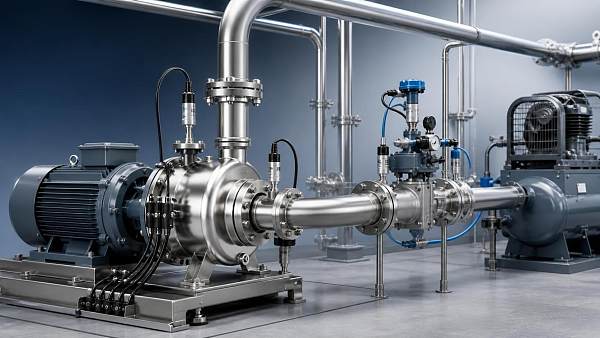
Centrifugal pumps gain value from better drive control, cavitation monitoring, and right-sized hydraulic selection.
High-pressure plunger pumps require tighter control because extreme duty magnifies wear, sealing risk, and energy cost.
Smart control valves
Smart positioners and accurate trim selection reduce oscillation, overshoot, and wasted utility consumption.
These benefits become more visible in corrosive or high-temperature service where poor control quickly becomes expensive.
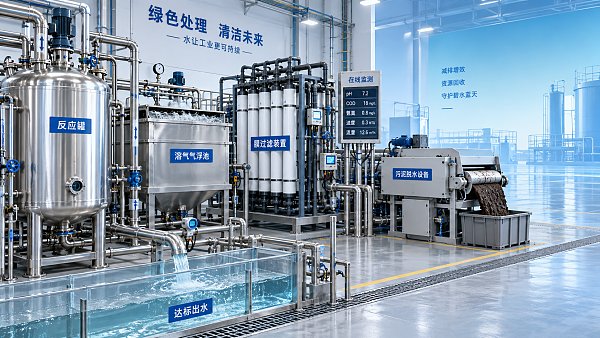
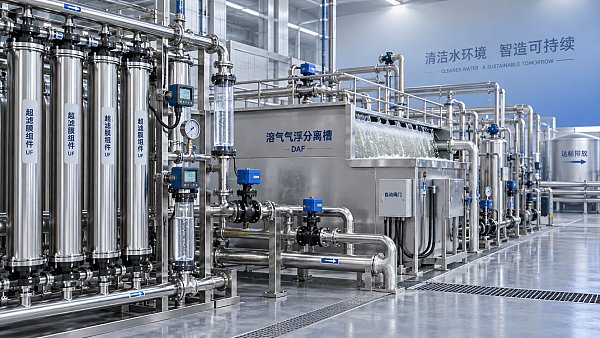
Filtration and separation systems
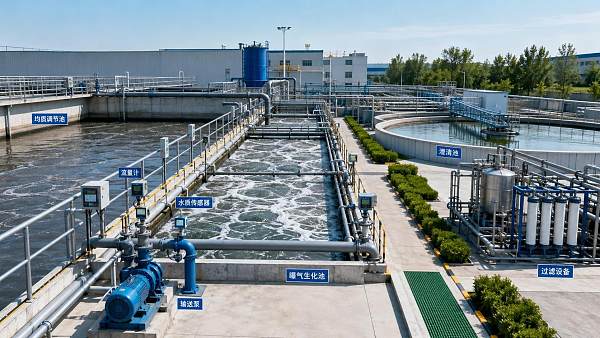
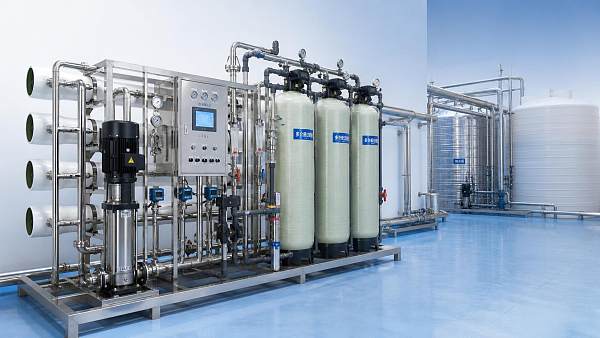
Automation around backwash, membrane cleaning, pressure balancing, and solids removal reduces manual intervention and quality variation.
That matters most in wastewater reuse, ultrapure water preparation, and ZLD-oriented operations.
How cost impacts different business functions and operating stages
The value of scalable industrial automation solutions changes by project phase.
The same system may appear expensive during procurement yet highly attractive after one year of operation.
- Design stage: integration quality determines future expansion cost.
- Installation stage: standard interfaces reduce wiring and commissioning hours.
- Operation stage: efficiency and control stability shape utility spending.
- Maintenance stage: diagnostics reduce emergency repair frequency.
- Upgrade stage: modular architecture avoids full system replacement.
For process-intensive sectors, a stable automated fluid network also protects product consistency, compliance performance, and shutdown avoidance.
This is why lifecycle modeling now matters more than lowest-bid equipment selection.
What deserves close attention before comparing 2026 budgets
A reliable cost review for scalable industrial automation solutions should test more than equipment count and list price.
Core evaluation points
- Energy intensity per unit of output or treated volume
- Control accuracy under variable load conditions
- Expected maintenance intervals and spare parts criticality
- Interoperability with existing DCS, SCADA, and plant networks
- Cybersecurity requirements for connected assets
- Lead time exposure for actuators, alloys, electronics, and sensors
- Expansion readiness for future lines or capacity blocks
FCSM analysis suggests hidden costs often come from poor system matching rather than from premium components themselves.
An efficient compressor cannot offset a badly controlled air network.
A smart valve cannot deliver savings if the control loop strategy remains unstable.
A practical framework for judging long-term ROI
The best scalable industrial automation solutions are evaluated with a staged financial view.
This framework supports better decisions in pump systems, compressed air stations, control valve networks, and filtration automation platforms.
What the next move should look like
For 2026 planning, the strongest approach is a structured audit of high-energy and high-variability assets.
Map where scalable industrial automation solutions can reduce instability, overcapacity, leakage, or unnecessary manual intervention.
Then compare options using lifecycle energy, diagnostics value, integration effort, and expansion flexibility.
In fluid and gas infrastructure, even a narrow automation upgrade can improve reliability, sustainability, and total economic performance.
That makes scalable industrial automation solutions a strategic cost decision, not merely a technical purchase.
Related News
 What drives industrial wastewater treatment cost per cubic meter?Dr. Alistair VaughnIndustrial wastewater treatment cost per cubic meter depends on influent load, effluent targets, energy, technology, and sludge disposal. Explore the key cost drivers.
 How to verify CE compliance for fluid separation equipmentDr. Alistair VaughnFluid separation equipment CE verification made practical: learn how to check declarations, risk assessments, technical files, pressure safety, and installation readiness.
 Separation equipment trends reshaping industrial wastewater treatmentDr. Alistair VaughnSeparation equipment trends are reshaping industrial wastewater treatment through smarter membranes, modular systems, digital monitoring, and resource recovery strategies.
 When stainless steel separation equipment is the right choice for hygienic processesDr. Alistair VaughnStainless steel separation equipment: discover when hygienic design, corrosion resistance, CIP cleanability, and lifecycle reliability make it the smart choice.
 What to assess before choosing a process industry automation supplierDr. Alistair VaughnChoose a process industry automation supplier with confidence. Assess engineering depth, lifecycle reliability, digital integration, energy performance, and safety before you buy.
 How process control innovation in refineries reduces unplanned shutdownsDr. Alistair VaughnDiscover how process control innovation in refineries detects early deviations, improves valve and equipment reliability, and helps prevent costly unplanned shutdowns.
 What should a zero liquid discharge systems integrator include in its proposal?Dr. Alistair VaughnZero liquid discharge systems integrator proposal checklist: compare guarantees, utilities, scope, controls, waste handling, and lifecycle risk before award.
 Industrial wastewater treatment plant design: sizing for flow and loadDr. Alistair VaughnIndustrial wastewater treatment plant design guide: size systems for peak flow, pollutant loads, reliability, compliance, and lower lifecycle costs.
 Can predictive maintenance and machinery diagnostics prevent downtime?Dr. Alistair VaughnPredictive maintenance machinery diagnostics help reduce unplanned downtime by detecting early equipment issues, improving reliability, and enabling smarter maintenance decisions.
 Can a digital transformation machinery platform cut unplanned downtime?Dr. Alistair VaughnDiscover how a digital transformation machinery platform connects asset data, maintenance workflows, and process insights to reduce unplanned downtime.
 How water treatment equipment sizing affects operating costsDr. Alistair VaughnWater treatment equipment sizing shapes energy, chemical, and maintenance costs. Learn how to balance flow, pressure, recovery, and reliability for efficient operation.
 When does food processing automation justify the upfront investment?Dr. Alistair VaughnIndustrial automation solutions for food processing: discover when automation delivers measurable ROI through higher throughput, lower waste, reliable utilities, and stronger food safety control.