2026 Industrial Decarbonization Case Studies Shaping Pump Selection




For enterprise decision-makers navigating net-zero pressure, industrial decarbonization case studies offer more than inspiration—they reveal how pump selection now affects energy intensity, reliability, and lifecycle cost.
From chemical processing to water treatment, the strongest examples show one pattern clearly: pump technology has become a strategic lever for emissions reduction, uptime protection, and compliance readiness.
In 2026, industrial decarbonization case studies are shaping specification logic across the broader general machinery landscape, especially where fluid movement drives core process performance.
Why are industrial decarbonization case studies changing pump selection criteria?
Traditional pump selection often prioritized flow, head, metallurgy, and capital cost. Those criteria still matter, but they no longer tell the full commercial story.
Recent industrial decarbonization case studies show that energy use across a pump lifecycle can exceed purchase price many times over.
That shift is especially visible in chemical plants, desalination systems, district utilities, food processing lines, and wastewater treatment networks.
Projects that reduced emissions most effectively did not simply install efficient motors. They matched hydraulic performance to actual duty conditions.
They also addressed throttling losses, cavitation risk, seal leakage, standby redundancy, and digital monitoring.
Across many industrial decarbonization case studies, four selection criteria now dominate:
- Best efficiency point alignment under real operating ranges
- Motor and drive efficiency across variable loads
- Maintenance burden, leakage exposure, and mean time between failures
- Data visibility for predictive maintenance and carbon reporting
This means decarbonization is no longer a separate environmental task. It is built directly into pump engineering decisions.
Which 2026 case study patterns matter most across industries?
The most useful industrial decarbonization case studies share repeatable design lessons, even when plants process very different fluids.
1. Chemical processing reduced oversizing penalties
Several retrofits replaced oversized centrifugal pumps that operated far left of the efficiency curve.
By resizing impellers, adding VFD control, and revising piping losses, sites cut power demand without sacrificing throughput.
These industrial decarbonization case studies showed that oversizing, once seen as safe, often created avoidable carbon intensity.
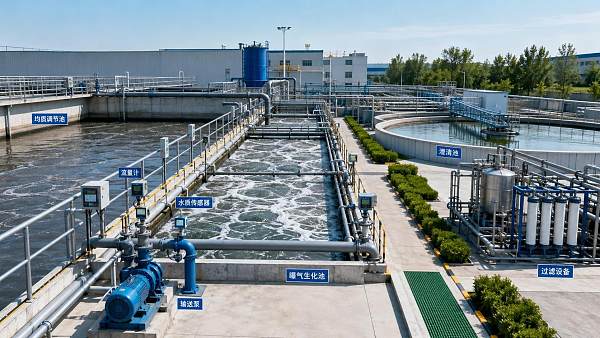
2. Water treatment improved total system efficiency
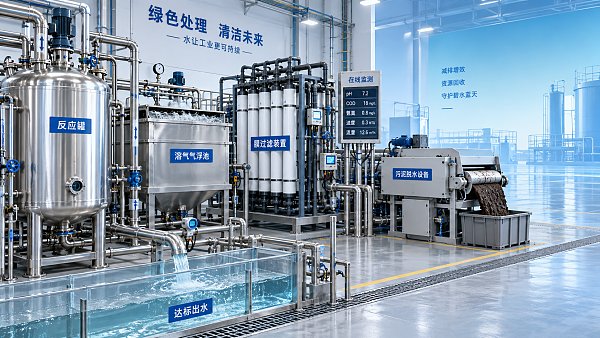
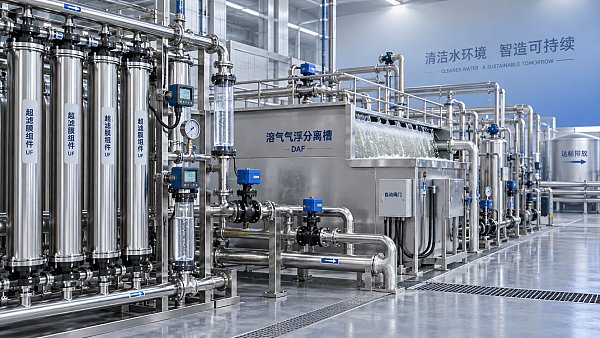
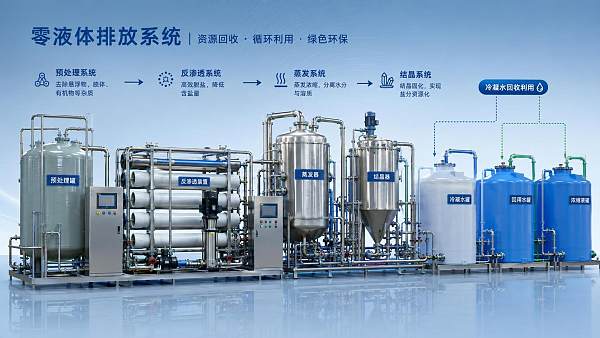
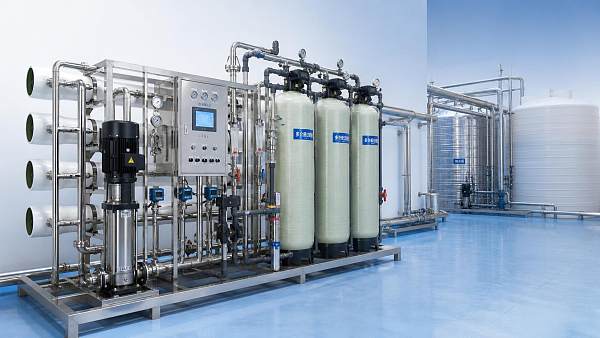
Water and wastewater facilities achieved gains by treating pumps, filters, valves, and controls as one system.
Instead of swapping only the pump, successful projects optimized duty cycling, pressure zones, and solids handling stability.
This reduced recirculation, emergency maintenance, and unplanned bypass events.
3. High-pressure applications prioritized recovery and reliability
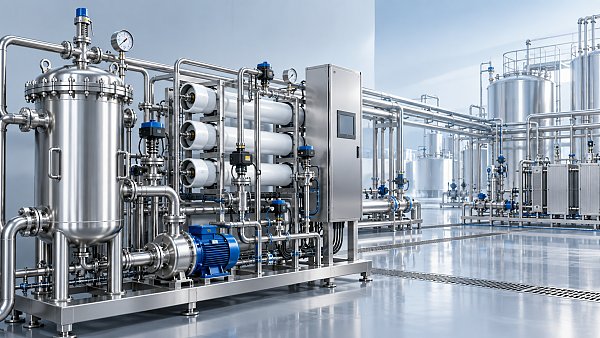
In SWRO and process pressure boosting, efficient pump trains delivered savings only when paired with stable operating windows.
Industrial decarbonization case studies repeatedly warned that unstable pressure control can erase expected energy gains.
4. Digital diagnostics shortened carbon payback time
Plants with vibration, power, and flow analytics detected fouling, off-curve operation, and early bearing wear faster.
That reduced hidden energy drift, which is often missed in manual inspections.
How should pump technologies be compared under decarbonization goals?
Not every low-carbon project needs the same pump type. Industrial decarbonization case studies are valuable because they show fit, not just performance claims.
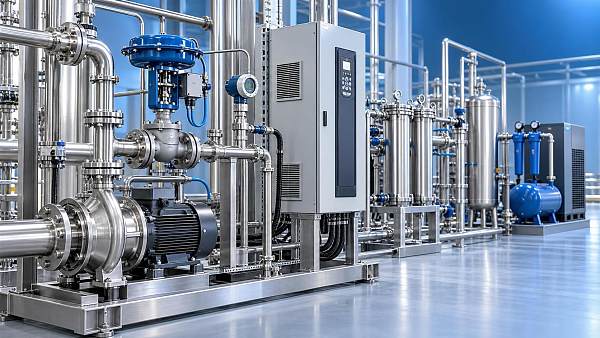
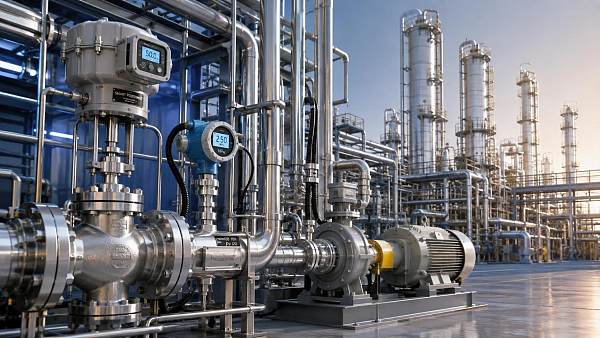
Centrifugal pumps remain dominant for high-flow services, especially where continuous operation rewards efficient hydraulics.
Positive displacement pumps perform better where viscosity, dosing precision, or high pressure define the process.
Selection should compare system behavior, not equipment labels alone.
The broader lesson from industrial decarbonization case studies is simple: the lowest-carbon pump is the one that stays near optimal performance for years.
What common mistakes do industrial decarbonization case studies reveal?
Many projects underperform because decarbonization targets are added late, after core hydraulic assumptions are fixed.
The case evidence highlights several recurring mistakes.
- Selecting by peak design point while ignoring real annual load profiles
- Using throttling as a permanent control strategy
- Ignoring NPSH margin and cavitation-related efficiency loss
- Separating pump decisions from valve, filter, and compressor interactions
- Underestimating leakage, seal water, and auxiliary energy consumption
- Assuming digital monitoring is optional in critical decarbonization programs
Industrial decarbonization case studies also show that short payback claims can be misleading when downtime risk is excluded.
A pump with lower purchase cost may create higher emissions if maintenance intervals are short or performance degrades quickly.
This is especially true in integrated plants where fluid control affects heat balance, separation efficiency, and compressed air demand.
How can a practical evaluation framework improve pump decisions in 2026?
The best industrial decarbonization case studies do not begin with equipment brochures. They begin with a structured operating review.
A practical evaluation framework can keep projects grounded in measurable performance.
- Map actual duty cycles, not assumed design averages.
- Measure energy use per unit of fluid moved or treated.
- Check BEP proximity across seasonal and batch variations.
- Evaluate valve losses, pipe friction, and suction conditions.
- Estimate maintenance carbon impact from spares, service visits, and failure events.
- Require data outputs that support predictive maintenance and ESG reporting.
This framework aligns well with the FCSM view of industrial machinery as a connected fluid and gas ecosystem.
Pump efficiency matters most when linked with valve precision, compressor energy performance, and filtration stability.
That systems perspective appears again and again in industrial decarbonization case studies with durable results.
What should be expected for cost, timing, and implementation risk?
Industrial decarbonization case studies suggest that pump optimization usually delivers faster returns than major process redesigns.
However, outcomes vary depending on plant complexity, operating hours, and utility pricing.
Simple VFD retrofits may move quickly. Full hydraulic redesigns require more testing, shutdown planning, and cross-discipline validation.
Implementation risk drops when teams validate three issues early:
- Whether process variability will push the pump away from efficient operation
- Whether upstream or downstream equipment limits savings realization
- Whether monitoring data will prove the decarbonization result after commissioning
Where evidence is incomplete, pilot measurement often provides better guidance than generic vendor estimates.
That is another recurring insight from high-quality industrial decarbonization case studies.
FAQ summary: what questions should guide the next pump review?
The strongest industrial decarbonization case studies do more than celebrate energy savings. They explain why specific pump choices delivered durable carbon and reliability benefits.
For 2026 planning, the most effective approach is to review pump fleets as part of a connected fluid control strategy.
That means checking hydraulic fit, control architecture, maintenance exposure, and reporting readiness together.
When those elements are aligned, industrial decarbonization case studies stop being external references and become practical decision tools for the next upgrade cycle.
Related News
 What drives industrial wastewater treatment cost per cubic meter?Dr. Alistair VaughnIndustrial wastewater treatment cost per cubic meter depends on influent load, effluent targets, energy, technology, and sludge disposal. Explore the key cost drivers.
 How to verify CE compliance for fluid separation equipmentDr. Alistair VaughnFluid separation equipment CE verification made practical: learn how to check declarations, risk assessments, technical files, pressure safety, and installation readiness.
 Separation equipment trends reshaping industrial wastewater treatmentDr. Alistair VaughnSeparation equipment trends are reshaping industrial wastewater treatment through smarter membranes, modular systems, digital monitoring, and resource recovery strategies.
 When stainless steel separation equipment is the right choice for hygienic processesDr. Alistair VaughnStainless steel separation equipment: discover when hygienic design, corrosion resistance, CIP cleanability, and lifecycle reliability make it the smart choice.
 What to assess before choosing a process industry automation supplierDr. Alistair VaughnChoose a process industry automation supplier with confidence. Assess engineering depth, lifecycle reliability, digital integration, energy performance, and safety before you buy.
 How process control innovation in refineries reduces unplanned shutdownsDr. Alistair VaughnDiscover how process control innovation in refineries detects early deviations, improves valve and equipment reliability, and helps prevent costly unplanned shutdowns.
 What should a zero liquid discharge systems integrator include in its proposal?Dr. Alistair VaughnZero liquid discharge systems integrator proposal checklist: compare guarantees, utilities, scope, controls, waste handling, and lifecycle risk before award.
 Industrial wastewater treatment plant design: sizing for flow and loadDr. Alistair VaughnIndustrial wastewater treatment plant design guide: size systems for peak flow, pollutant loads, reliability, compliance, and lower lifecycle costs.
 Can predictive maintenance and machinery diagnostics prevent downtime?Dr. Alistair VaughnPredictive maintenance machinery diagnostics help reduce unplanned downtime by detecting early equipment issues, improving reliability, and enabling smarter maintenance decisions.
 Can a digital transformation machinery platform cut unplanned downtime?Dr. Alistair VaughnDiscover how a digital transformation machinery platform connects asset data, maintenance workflows, and process insights to reduce unplanned downtime.
 How water treatment equipment sizing affects operating costsDr. Alistair VaughnWater treatment equipment sizing shapes energy, chemical, and maintenance costs. Learn how to balance flow, pressure, recovery, and reliability for efficient operation.
 When does food processing automation justify the upfront investment?Dr. Alistair VaughnIndustrial automation solutions for food processing: discover when automation delivers measurable ROI through higher throughput, lower waste, reliable utilities, and stronger food safety control.