Energy Efficiency in Manufacturing: Where Plants Lose Power




Where energy efficiency in manufacturing really slips away
Energy efficiency in manufacturing is rarely lost in one dramatic failure. It usually disappears through small design habits that become normal over time.
A pump runs far from its best efficiency point. A valve keeps throttling because line pressure was never rebalanced. A compressor feeds leaks nobody budgets for. A separation loop keeps circulating more than the process needs.
Across process plants, utilities, water systems, food lines, chemical units, and heavy industry, these losses look similar on the surface. In practice, the causes differ by operating profile, fluid behavior, control philosophy, and maintenance discipline.
That is why energy efficiency in manufacturing has to be judged by application context, not by equipment name alone. The right question is not only where power is consumed, but why the system keeps demanding more than it should.
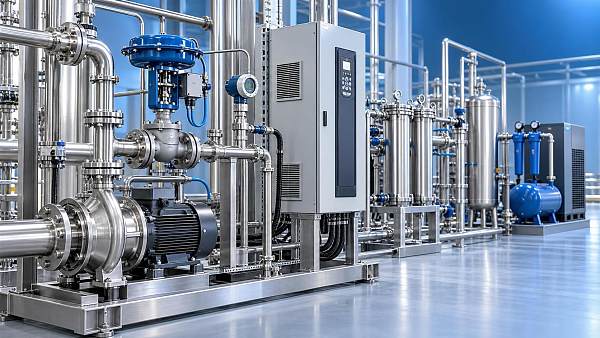
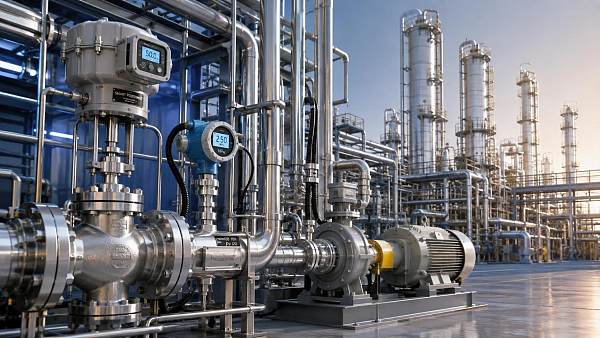
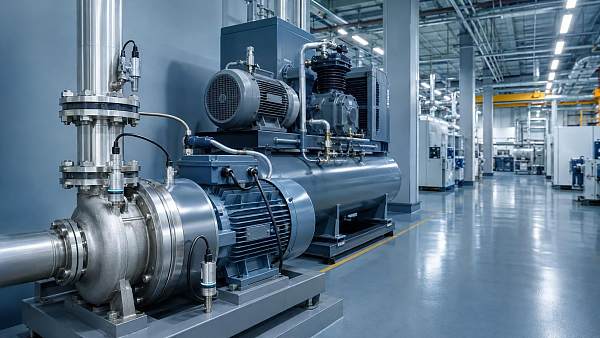
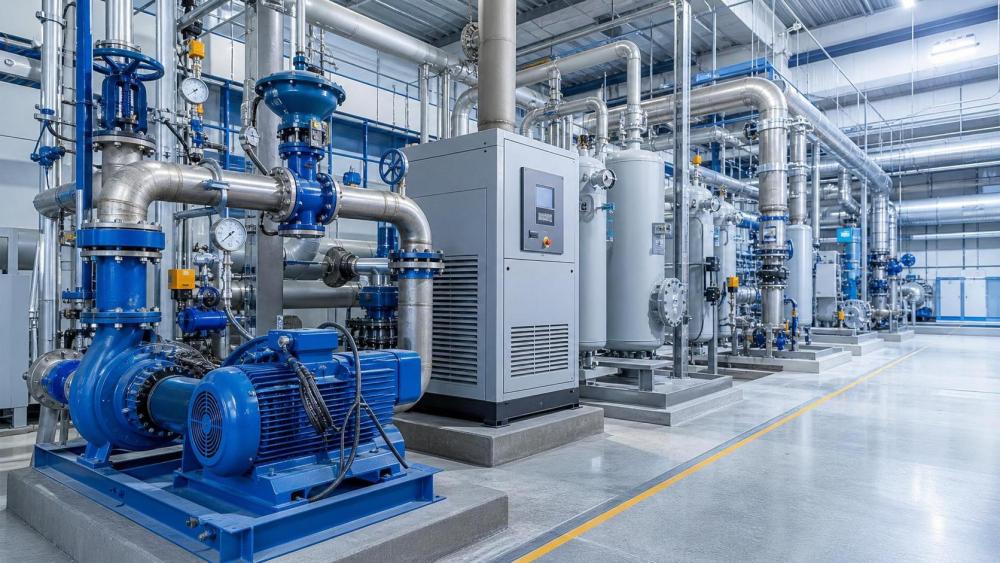
FCSM tracks this issue through the machinery that acts like the industrial bloodstream and respiratory network: pumps, valves, compressors, and filtration systems. When these assets drift from design intent, energy cost, reliability risk, and decarbonization pressure all rise together.
Different plants lose power for different reasons
The same motor size or pressure rating does not mean the same energy behavior. A continuous chemical process line and a batch-based food plant may use similar equipment, yet their load patterns are completely different.
In continuous service, stable efficiency at partial load matters. In batch service, repeated starts, idling, and fast response often dominate actual losses. That difference changes how energy efficiency in manufacturing should be evaluated.
Fluid properties also reshape the decision. Clean water, corrosive slurry, hot condensate, and compressed air each produce different penalties when systems are oversized, poorly controlled, or allowed to recirculate.
A useful field approach is to compare three things together: process demand, control behavior, and equipment operating range. If those three do not align, hidden energy loss is usually already present.
A quick way to separate the major loss patterns
When pumps are oversized, efficiency drops quietly
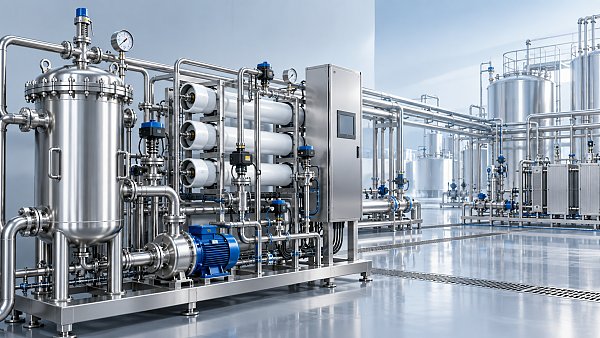
Pump systems often carry the largest electrical load in manufacturing. They also create some of the least questioned losses, especially when a safe design margin becomes a permanent operating condition.
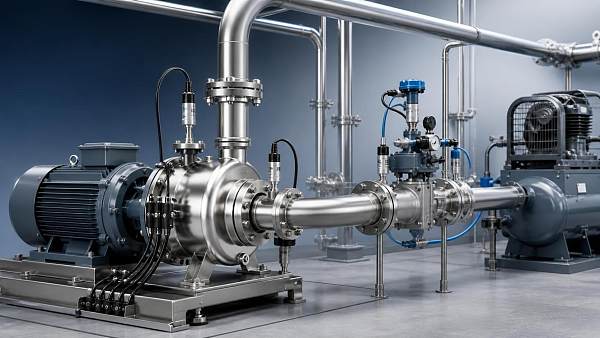
In cooling water, transfer, or utility circulation, oversized centrifugal pumps are often controlled by throttling. The process gets the required flow, but energy efficiency in manufacturing falls because the system burns power to create pressure that is immediately removed.
The issue is more serious in chemical, desalination, or high-purity duty. Running far from BEP can increase vibration, seal wear, and cavitation exposure. The energy penalty then becomes a reliability penalty as well.
A better judgment method is to compare real operating hours against the original design envelope. If most hours occur below design flow, a variable speed strategy, impeller trim, or pump re-selection may be more effective than repeated valve adjustment.
This is where FCSM-style analysis matters. CFD-based insight into cavitation behavior and hydraulic stability can show whether the plant is facing a control problem, a sizing problem, or a fluid condition problem.
Compressed air looks convenient, but it is often the costliest utility
Many facilities treat compressed air as flexible and clean, yet it is one of the easiest places to lose energy without noticing. Energy efficiency in manufacturing suffers when compressed air is used as a default answer to every motion or blow-off task.
In packaging, assembly, and mixed industrial lines, the real problem is often unstable demand. Short peaks push operators toward higher system pressure, even when average demand does not require it.
In heavier process industries, the issue shifts. Large compressor rooms may run with poor sequencing, unloaded machines, and growing leak networks. The system appears reliable, but the specific power performance keeps getting worse.
Permanent magnet variable frequency drives and two-stage compression can improve performance, but only if the pressure band, storage capacity, and demand profile are understood first. Technology alone does not guarantee energy efficiency in manufacturing.
- If pressure keeps being raised, check end-use mismatch before changing compressor size.
- If base load and peak load overlap, review sequencing logic before adding backup capacity.
- If weekend consumption remains high, leakage is probably a larger issue than equipment efficiency.
Control valves can hide system imbalance for years
A throttled valve is not automatically a bad sign. In many lines, it is essential for stable process control. The problem appears when throttling becomes the permanent fix for wrong pump head, unstable pressure, or changing production targets.
In steam, gas, and aggressive liquid service, poor valve selection can also generate noise, erosion, and position instability. Then energy efficiency in manufacturing declines alongside control accuracy.
More precise trim curves and smart electro-pneumatic positioners help when the process genuinely needs fast and repeatable modulation. They do not solve an upstream hydraulic mismatch by themselves.
A practical check is to review where the pressure drop should live. If the valve is dissipating excessive energy for most operating hours, the plant may be using a control device to compensate for a system design issue.
Filtration and separation losses are usually process-driven
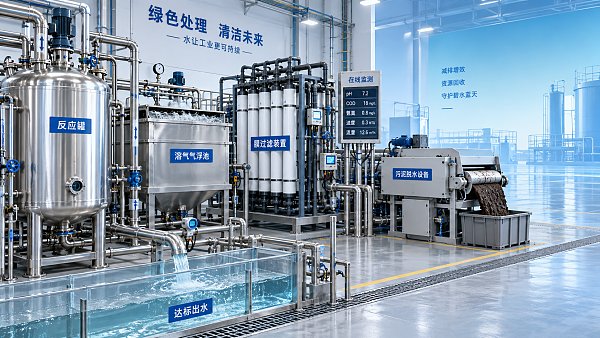
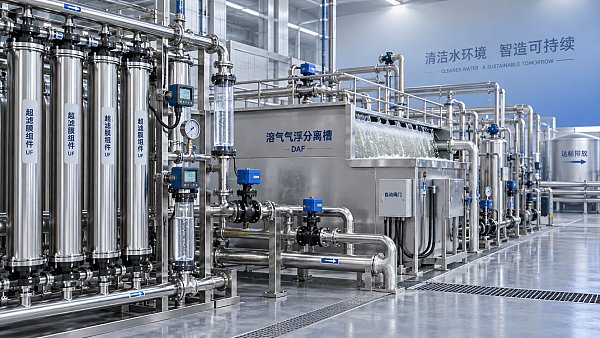
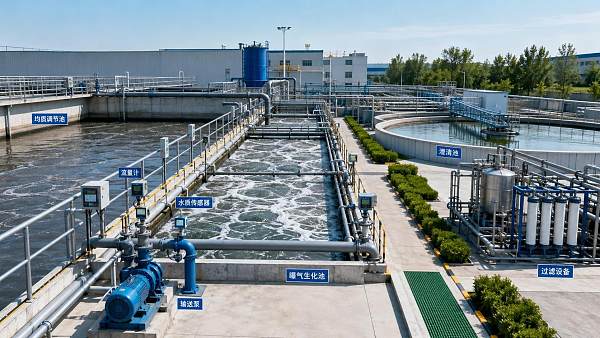
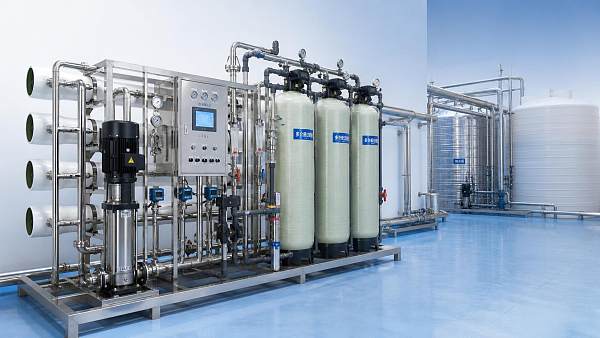
Filtration, membrane, and separation systems are often judged by water quality or solids removal alone. In reality, energy efficiency in manufacturing depends on how those targets are achieved over time.
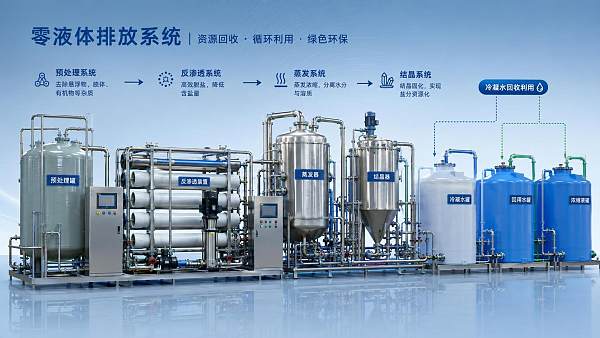
In wastewater reuse or ZLD preparation, operators may increase recirculation to protect quality. That can work temporarily, but it often raises pumping energy, fouling rate, and cleaning frequency.
In mineral, chemical, or food applications, separation loops also behave differently as feed composition changes. A design that was efficient at startup may become inefficient after throughput, temperature, or solids profile shifts.
The better approach is to track recovery, differential pressure, and cleaning intervals as one operating picture. Looking at only one KPI can hide the true reason the system is using more power per ton processed.
The most common misread is treating similar lines as identical
A recurring mistake in energy efficiency in manufacturing is copying a successful setup from one line to another without checking duty variation. Similar piping layouts do not guarantee similar energy behavior.
Another misread is focusing on nameplate efficiency while ignoring control range. A highly efficient motor or compressor can still waste energy if it spends most of its life in unstable part-load operation.
There is also a lifecycle blind spot. Low purchase cost may look attractive, yet maintenance frequency, spare availability, cleaning downtime, and pressure instability can erase that advantage quickly.
Plants pursuing decarbonization targets face an additional layer. Regulatory pressure on motors, air systems, and water reuse performance means hidden losses are no longer only internal cost issues. They increasingly affect reporting credibility and upgrade timing.
What should be confirmed before any retrofit decision
- Actual operating hours by load band, not only design point data.
- Pressure, flow, and temperature trends across normal and abnormal shifts.
- Whether losses come from equipment inefficiency or from process control logic.
- Maintenance impact, cleaning cycles, and spare parts consequences after modification.
- Relevant motor efficiency, emissions, and site utility standards.
A practical path to better energy efficiency in manufacturing
The most effective improvements usually start with mapping losses by system, not by department. Pumps, valves, compressors, and separation units interact. Optimizing one asset in isolation can shift waste to another point.
In practical terms, begin with the highest-runtime loops and the most unstable utilities. Then compare actual demand, control method, and asset condition. This often reveals whether the next step should be re-rating, re-control, leak reduction, or process redesign.
FCSM’s value in this context is not a simple equipment pitch. It is the ability to connect fluid dynamics, thermodynamic behavior, maintenance reality, and regulatory direction into a clearer decision path.
Energy efficiency in manufacturing improves fastest when plants stop asking which machine is most efficient in theory, and start asking which system condition keeps forcing avoidable power loss in daily operation.
A sensible next step is to sort applications by load pattern, pressure sensitivity, fluid risk, and maintenance burden. That creates a practical basis for comparing retrofit options, implementation difficulty, and long-term savings with far fewer assumptions.
Related News
 What drives industrial wastewater treatment cost per cubic meter?Dr. Alistair VaughnIndustrial wastewater treatment cost per cubic meter depends on influent load, effluent targets, energy, technology, and sludge disposal. Explore the key cost drivers.
 How to verify CE compliance for fluid separation equipmentDr. Alistair VaughnFluid separation equipment CE verification made practical: learn how to check declarations, risk assessments, technical files, pressure safety, and installation readiness.
 Separation equipment trends reshaping industrial wastewater treatmentDr. Alistair VaughnSeparation equipment trends are reshaping industrial wastewater treatment through smarter membranes, modular systems, digital monitoring, and resource recovery strategies.
 When stainless steel separation equipment is the right choice for hygienic processesDr. Alistair VaughnStainless steel separation equipment: discover when hygienic design, corrosion resistance, CIP cleanability, and lifecycle reliability make it the smart choice.
 What to assess before choosing a process industry automation supplierDr. Alistair VaughnChoose a process industry automation supplier with confidence. Assess engineering depth, lifecycle reliability, digital integration, energy performance, and safety before you buy.
 How process control innovation in refineries reduces unplanned shutdownsDr. Alistair VaughnDiscover how process control innovation in refineries detects early deviations, improves valve and equipment reliability, and helps prevent costly unplanned shutdowns.
 What should a zero liquid discharge systems integrator include in its proposal?Dr. Alistair VaughnZero liquid discharge systems integrator proposal checklist: compare guarantees, utilities, scope, controls, waste handling, and lifecycle risk before award.
 Industrial wastewater treatment plant design: sizing for flow and loadDr. Alistair VaughnIndustrial wastewater treatment plant design guide: size systems for peak flow, pollutant loads, reliability, compliance, and lower lifecycle costs.
 Can predictive maintenance and machinery diagnostics prevent downtime?Dr. Alistair VaughnPredictive maintenance machinery diagnostics help reduce unplanned downtime by detecting early equipment issues, improving reliability, and enabling smarter maintenance decisions.
 Can a digital transformation machinery platform cut unplanned downtime?Dr. Alistair VaughnDiscover how a digital transformation machinery platform connects asset data, maintenance workflows, and process insights to reduce unplanned downtime.
 How water treatment equipment sizing affects operating costsDr. Alistair VaughnWater treatment equipment sizing shapes energy, chemical, and maintenance costs. Learn how to balance flow, pressure, recovery, and reliability for efficient operation.
 When does food processing automation justify the upfront investment?Dr. Alistair VaughnIndustrial automation solutions for food processing: discover when automation delivers measurable ROI through higher throughput, lower waste, reliable utilities, and stronger food safety control.