Industrial Automation Maintenance: Downtime Warning Signs




Unexpected downtime rarely starts with a complete failure. It begins with subtle warning signs in pumps, compressors, control valves, and filtration systems.
Abnormal vibration, pressure drift, rising energy use, and delayed actuator response often appear before production stops.
This guide explains how industrial automation solutions maintenance services help detect early faults, prioritize inspections, and extend lifecycle reliability.
Industrial Automation Maintenance and Downtime Risk Basics
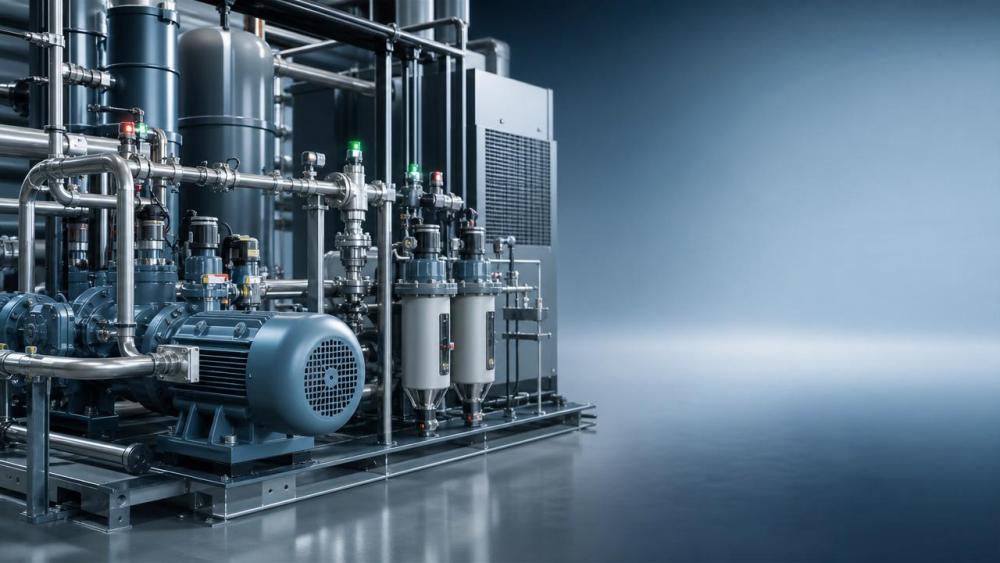
Industrial automation maintenance covers inspection, diagnostics, calibration, lubrication, testing, and lifecycle optimization across automated process assets.
In fluid control facilities, it connects mechanical health with control logic, energy performance, and process stability.
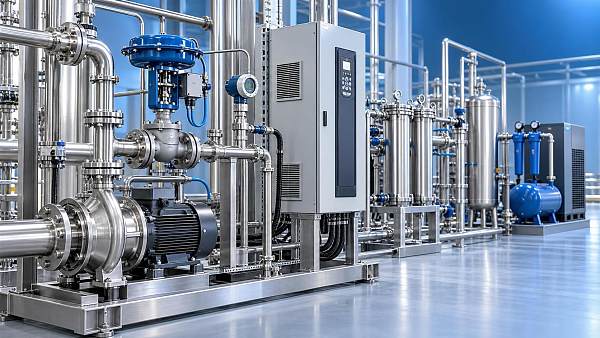
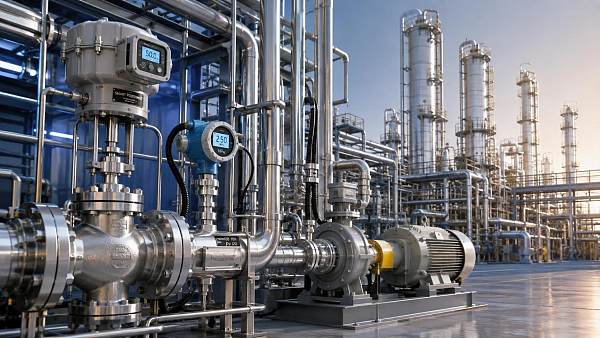
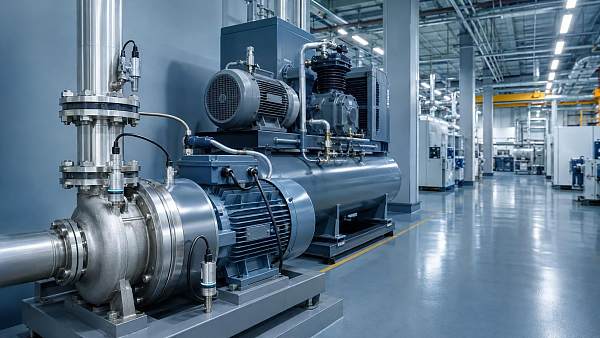
The scope includes centrifugal pumps, plunger pumps, smart pneumatic valves, compressors, membranes, filters, sensors, and controllers.
Industrial automation solutions maintenance services translate field signals into practical maintenance decisions before faults become shutdown events.
A warning sign is any repeatable deviation from a known operating baseline.
Baselines may include vibration spectrum, discharge pressure, flow curve, valve travel time, compressor temperature, or filtration differential pressure.
The strongest programs do not treat alarms as isolated events.
They connect alarms with process history, asset duty, maintenance records, and failure modes.
This approach is essential in modern plants, where one unstable pump or valve can disturb an entire process train.
Industry Background and Current Maintenance Priorities
Across general industry, downtime costs have increased because production lines are more integrated and energy targets are stricter.
A compressor fault may reduce pneumatic reliability, disturb actuators, and increase power demand during peak tariff hours.
A centrifugal pump operating near cavitation can damage impellers, seals, bearings, and downstream instruments.
A control valve with stiction can create oscillation, product variation, and unnecessary actuator wear.
Industrial automation solutions maintenance services are becoming important because maintenance teams must manage reliability, efficiency, and compliance together.
The current priority is no longer only repairing failed equipment.
It is detecting performance loss early enough to schedule safe, economical intervention.
This shift supports predictive maintenance, low-carbon factories, and Process Industry 4.0 operating models.
Core Downtime Warning Signs in Automated Fluid Systems
The most reliable downtime warnings usually appear in four groups: mechanical behavior, process deviation, energy performance, and control response.
Mechanical behavior includes vibration, noise, temperature, leakage, and unusual bearing signatures.
These signs often develop slowly, especially in rotating machinery operating under variable loads.
Process deviation includes pressure drift, flow instability, inconsistent level control, and repeated operator correction.
Such deviations may indicate fouling, valve wear, air entrainment, or suction restrictions.
Energy performance is a powerful early indicator because failing assets often consume more power before they stop.
A compressor with dirty coolers may maintain pressure, but it may demand excessive electricity.
A pump away from its best efficiency point may run continuously while eroding reliability margins.
Control response includes valve travel time, actuator repeatability, positioner feedback, and signal stability.
Delayed response can reveal air supply issues, sticky trim, damaged diaphragms, or poor calibration.
Industrial automation solutions maintenance services use these patterns to separate urgent risks from normal process variation.
- Track vibration changes by asset, speed, load, and process condition.
- Compare pressure and flow readings against design curves and historical baselines.
- Review energy intensity per unit of output, not only total consumption.
- Test valve response under realistic control and air supply conditions.
- Monitor filtration differential pressure before quality loss becomes visible.
Business Value of Early Fault Recognition
Early fault recognition creates value by protecting uptime, safety, energy efficiency, and equipment life.
It also improves planning because maintenance work can be grouped with scheduled production windows.
Industrial automation solutions maintenance services support this planning through condition reports, risk ranking, and recommended actions.
The first value is avoided production loss.
When a failure is predicted, spare parts, tools, and labor can be prepared before the intervention.
The second value is improved safety.
Pressure surges, overheated compressors, and unstable control valves can create unsafe operating conditions.
The third value is better energy performance.
Rotating equipment and compressed air systems often represent a large share of industrial power consumption.
Correcting misalignment, leakage, fouling, and control instability reduces waste without major process redesign.
The fourth value is lifecycle extension.
Bearings, seals, valve trim, membranes, and pneumatic components last longer when faults are corrected early.
These gains strengthen operational credibility during audits, tenders, and sustainability reviews.
Typical Assets and Maintenance Focus Areas
Different assets produce different warning patterns, so maintenance focus should match function and failure mode.
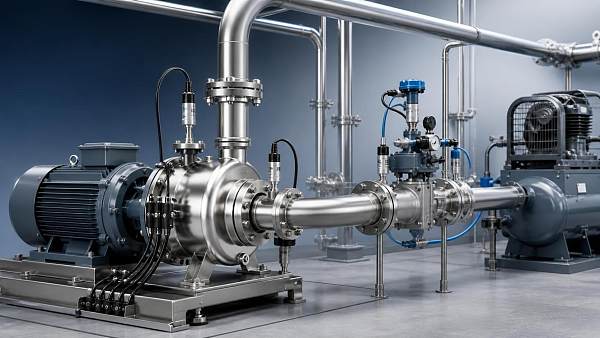
Centrifugal pumps require attention to suction conditions, alignment, hydraulic balance, seal condition, and bearing lubrication.
Warning signs include cavitation noise, fluctuating amperage, low discharge pressure, and rising vibration at bearing housings.
High-pressure plunger pumps require inspection of packing, valves, crankcase lubrication, pulsation dampeners, and pressure relief devices.
Pressure pulsation and small leaks should never be dismissed as routine behavior.
Smart pneumatic control valves require diagnostics on positioners, air supply, actuator health, trim wear, and calibration drift.
A minor position deviation can become a major process control problem.
Air compressor systems require maintenance around intake filters, oil quality, coolers, drains, pressure bands, and leak control.
Excessive unloaded running often signals poor system coordination or hidden demand loss.
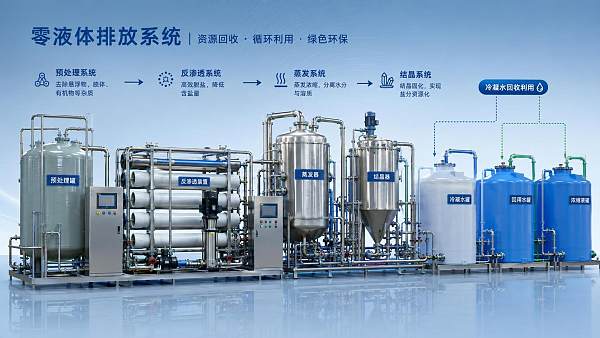
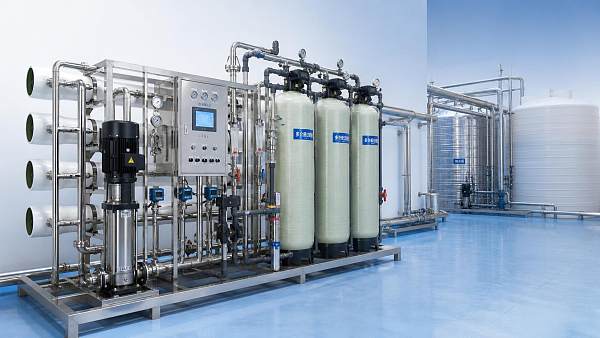
Industrial filtration and separation equipment requires tracking of differential pressure, membrane condition, backwash effectiveness, and contaminant loading.
Fouling trends can reveal upstream process changes before final product quality deteriorates.
Practical Maintenance Recommendations and Cautions
A practical maintenance program starts with asset criticality.
Not every pump, valve, or compressor needs the same monitoring depth.
Critical assets should receive frequent condition checks, defined alarm thresholds, and documented escalation rules.
Industrial automation solutions maintenance services can support the ranking through failure impact and process dependency analysis.
Baselines should be captured during stable production, after commissioning, or after successful overhaul.
A baseline taken during abnormal operation can hide future problems.
Data quality is equally important.
Sensors must be calibrated, installed correctly, and reviewed against field observations.
A misleading sensor can cause unnecessary intervention or missed risk.
Maintenance actions should be verified after completion.
For example, replacing bearings should reduce vibration under the same operating condition.
Cleaning a heat exchanger should reduce compressor discharge temperature or improve cooling stability.
- Build an asset list with process role, failure impact, and maintenance history.
- Define normal operating windows for vibration, pressure, temperature, flow, and power.
- Connect control system alarms with field inspection notes.
- Review recurring minor alarms before they become accepted background noise.
- Document root causes, not only replaced parts.
- Use shutdown windows to inspect hidden wear and confirm sensor accuracy.
Caution is needed when using predictive analytics without process understanding.
An algorithm may detect an anomaly, but engineering review explains whether it is serious.
The strongest results come from combining automation data, mechanical inspection, and process knowledge.
Action Path for Reliable Industrial Automation Maintenance
A reliable action path begins with recognizing that downtime warnings are useful only when they trigger decisions.
The next step is to map major fluid and gas assets against production consequences.
Then, define inspection intervals based on criticality, duty severity, and historical failure behavior.
Industrial automation solutions maintenance services can help convert this map into a structured monitoring and response plan.
Start with the assets that combine high energy use and high shutdown impact.
These often include compressor rooms, main transfer pumps, pressure boosting systems, and primary control loops.
Review trends weekly for critical equipment and monthly for supporting equipment.
Investigate repeated deviations even when production appears stable.
A stable output can still hide energy waste, mechanical stress, or reduced operating margin.
For long-term improvement, connect maintenance results with procurement standards and design feedback.
Better specifications for pumps, valves, compressors, and filtration equipment reduce future downtime exposure.
Industrial automation solutions maintenance services also support lifecycle reporting for energy efficiency, reliability, and sustainability goals.
The practical objective is simple: detect small deviations early, act before failure, and keep automated process systems stable.
A disciplined program turns vibration, pressure, temperature, flow, and control response into operational intelligence.
With that intelligence, downtime prevention becomes a planned routine rather than an emergency reaction.
Related News
 What drives industrial wastewater treatment cost per cubic meter?Dr. Alistair VaughnIndustrial wastewater treatment cost per cubic meter depends on influent load, effluent targets, energy, technology, and sludge disposal. Explore the key cost drivers.
 How to verify CE compliance for fluid separation equipmentDr. Alistair VaughnFluid separation equipment CE verification made practical: learn how to check declarations, risk assessments, technical files, pressure safety, and installation readiness.
 Separation equipment trends reshaping industrial wastewater treatmentDr. Alistair VaughnSeparation equipment trends are reshaping industrial wastewater treatment through smarter membranes, modular systems, digital monitoring, and resource recovery strategies.
 When stainless steel separation equipment is the right choice for hygienic processesDr. Alistair VaughnStainless steel separation equipment: discover when hygienic design, corrosion resistance, CIP cleanability, and lifecycle reliability make it the smart choice.
 What to assess before choosing a process industry automation supplierDr. Alistair VaughnChoose a process industry automation supplier with confidence. Assess engineering depth, lifecycle reliability, digital integration, energy performance, and safety before you buy.
 How process control innovation in refineries reduces unplanned shutdownsDr. Alistair VaughnDiscover how process control innovation in refineries detects early deviations, improves valve and equipment reliability, and helps prevent costly unplanned shutdowns.
 What should a zero liquid discharge systems integrator include in its proposal?Dr. Alistair VaughnZero liquid discharge systems integrator proposal checklist: compare guarantees, utilities, scope, controls, waste handling, and lifecycle risk before award.
 Industrial wastewater treatment plant design: sizing for flow and loadDr. Alistair VaughnIndustrial wastewater treatment plant design guide: size systems for peak flow, pollutant loads, reliability, compliance, and lower lifecycle costs.
 Can predictive maintenance and machinery diagnostics prevent downtime?Dr. Alistair VaughnPredictive maintenance machinery diagnostics help reduce unplanned downtime by detecting early equipment issues, improving reliability, and enabling smarter maintenance decisions.
 Can a digital transformation machinery platform cut unplanned downtime?Dr. Alistair VaughnDiscover how a digital transformation machinery platform connects asset data, maintenance workflows, and process insights to reduce unplanned downtime.
 How water treatment equipment sizing affects operating costsDr. Alistair VaughnWater treatment equipment sizing shapes energy, chemical, and maintenance costs. Learn how to balance flow, pressure, recovery, and reliability for efficient operation.
 When does food processing automation justify the upfront investment?Dr. Alistair VaughnIndustrial automation solutions for food processing: discover when automation delivers measurable ROI through higher throughput, lower waste, reliable utilities, and stronger food safety control.