Industrial Decarbonization Strategies That Cut Process Risk




Industrial decarbonization strategies are no longer optional for process industries facing tighter regulations, volatile energy costs, and rising investment scrutiny.
For business evaluators, the real question is not whether to decarbonize, but which actions reduce emissions without adding operational fragility, capital waste, or compliance exposure.
This article examines how plants can lower carbon intensity while protecting uptime, asset life, and process stability across pumps, valves, compressors, and separation systems.
What Business Evaluators Are Really Trying to Decide
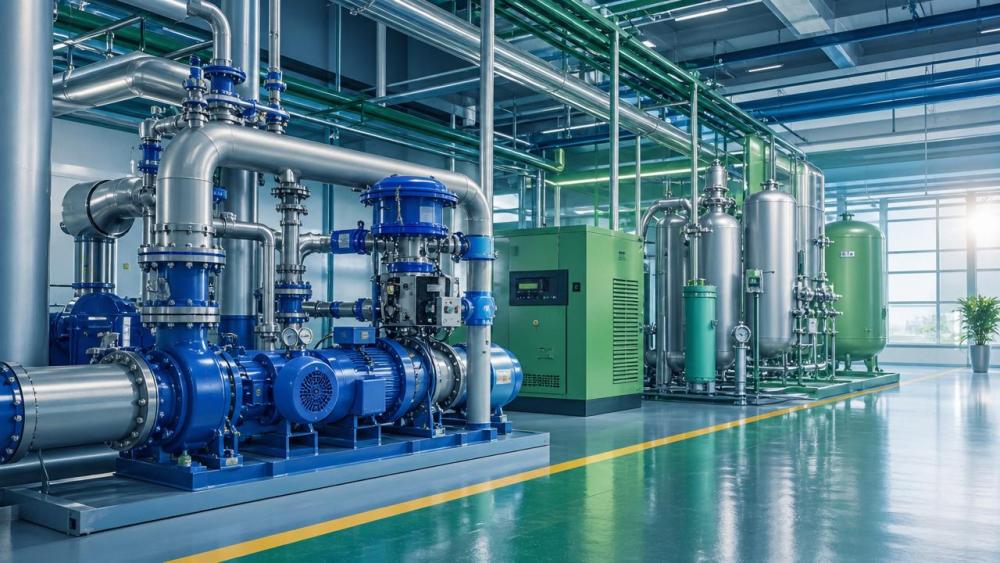
When buyers search for industrial decarbonization strategies, they are usually not looking for broad climate theory. They want practical options that improve carbon performance without disrupting production.
That intent is especially strong in capital-intensive sectors where even a small change in pressure control, compressed air supply, or filtration performance can affect yield, safety, and maintenance cost.
Business evaluators typically need to answer four linked questions before supporting any low-carbon upgrade. Will it cut energy use, will it reduce process risk, will it pay back, and can it scale?
They are also evaluating hidden downside. A project that lowers emissions on paper but causes unstable flow, cavitation, leakage, pressure loss, or operator burden may not survive internal review.
That is why the most credible industrial decarbonization strategies focus on process-critical equipment rather than only on high-level sustainability claims. The best plans connect carbon reduction to reliability and controllability.
Why Process Risk Must Be Part of Every Decarbonization Decision
Many plants still treat decarbonization as a reporting exercise, separate from asset management and process engineering. In reality, carbon performance and process risk are often driven by the same equipment behavior.
Oversized pumps waste electricity and create unstable operation near minimum flow. Poorly tuned control valves generate oscillation, noise, and unnecessary pressure drop. Inefficient compressors increase both emissions and maintenance exposure.
Similarly, underperforming separation systems raise water reuse costs, push more loads downstream, and increase the energy required to meet environmental discharge targets.
For evaluators, this means the safest decarbonization investments are usually those that correct known inefficiencies in fluid and gas systems while preserving design margins and operational resilience.
In other words, lower carbon should come from better engineering discipline, not from forcing process conditions beyond reliable limits.
Start With the Highest-Impact Systems, Not the Broadest Carbon Claims
A strong investment case begins with energy and risk concentration. In most process facilities, pumps, compressors, valve networks, and water treatment systems account for a large share of avoidable energy waste.
These assets also influence throughput, emissions intensity, and unplanned downtime. That makes them a better starting point than diffuse decarbonization programs with unclear accountability.
Business evaluators should prioritize systems where three conditions overlap. Energy consumption is significant, control quality matters, and equipment failure would materially affect production or compliance.
This screening approach quickly highlights common opportunities: variable speed pump retrofits, compressor system optimization, smart valve position control, leak reduction, and separation upgrades that cut recirculation or disposal loads.
Projects in these areas are easier to validate because operational data exists, technical baselines are measurable, and savings can often be tied to clear process indicators.
Pump System Optimization Often Delivers Carbon Gains With Low Operational Disruption
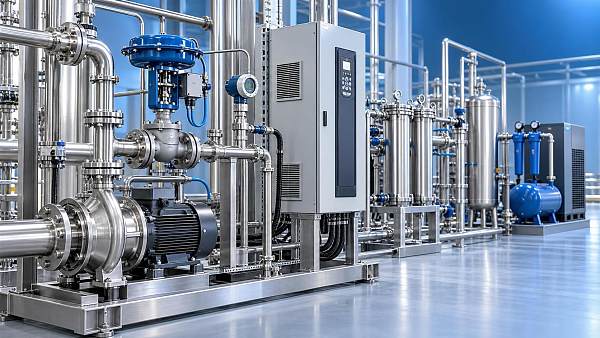
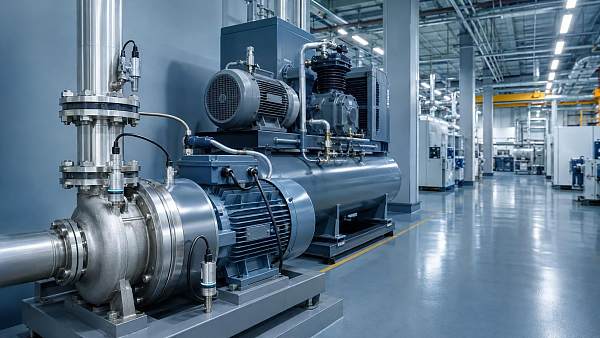
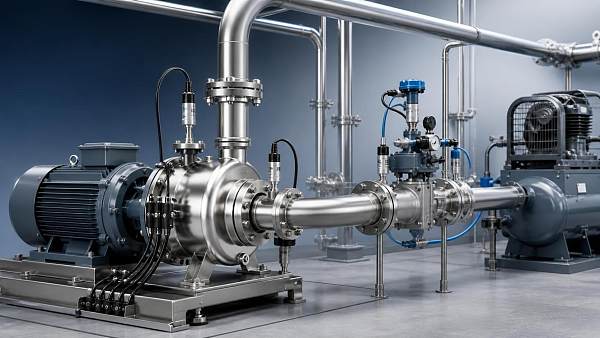
Industrial centrifugal pumps are among the most overlooked decarbonization levers in process plants. They run continuously, consume large amounts of power, and are frequently mismatched to actual duty conditions.
Many legacy systems control flow by throttling rather than by adjusting speed. This wastes energy and may increase vibration, seal stress, and recirculation risk.
One of the most effective industrial decarbonization strategies is to evaluate pump duty against real operating profiles instead of nameplate assumptions. That often reveals oversized equipment and avoidable pressure margins.
Installing variable frequency drives, resizing impellers, correcting piping losses, or redesigning pump selection around best efficiency point operation can reduce power demand while improving stability.
For business evaluators, the value is not only lower electricity use. Better hydraulic matching can reduce cavitation risk, extend bearing and seal life, and lower the probability of emergency intervention.
That creates a more complete return model, where carbon reduction is linked directly to maintenance savings and avoided production loss.
Smart Valve Upgrades Can Reduce Emissions by Improving Control Quality
Control valves are rarely the biggest direct energy consumers, but they strongly influence how efficiently the entire process runs. Poor control creates instability that forces upstream and downstream equipment to work harder.
A valve with weak positioning accuracy, poor trim selection, or excessive hysteresis may cause pressure fluctuations, product inconsistency, and avoidable venting or reprocessing.
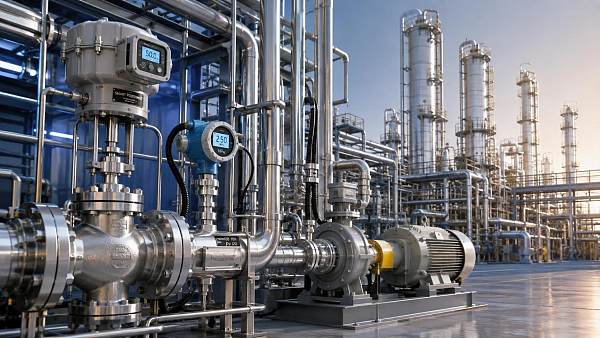
In this context, decarbonization comes from precision. Smart pneumatic control valves with advanced positioners can maintain tighter control, reduce overshoot, and support lower-energy operating windows.
They also improve diagnostic visibility. Early detection of stiction, air leakage, or travel deviation allows maintenance teams to intervene before process performance deteriorates.
For evaluators, the key question is whether a valve upgrade changes measurable outcomes such as steam use, compressed air demand, reject rates, or throughput variability. If yes, the carbon case becomes far stronger.
Compressed Air Is One of the Fastest Ways to Cut Both Emissions and Hidden Cost
Air compressor systems are often called the mechanical lungs of a factory, but many plants operate them with chronic inefficiency. Leaks, poor sequencing, overpressure, and inappropriate machine loading are common.
Because compressed air is expensive to generate, even modest optimization can produce meaningful emissions savings. In many facilities, this is one of the fastest payback areas in any decarbonization program.
High-value actions include leak audits, pressure setpoint correction, storage optimization, heat recovery, and replacement of fixed-speed units with permanent magnet variable frequency systems where duty fluctuates.
Two-stage compression technologies can also improve efficiency in applications with sustained demand and high operating hours. But technology alone is not enough if controls remain fragmented.
Business evaluators should assess the full compressor ecosystem: supply matching, distribution losses, standby logic, maintenance discipline, and the carbon effect of every unnecessary bar of pressure.
Projects that reduce compressor load while improving air quality and availability usually outperform isolated equipment replacement in both financial and operational terms.
Separation and Water Reuse Projects Matter More as Carbon Accounting Expands
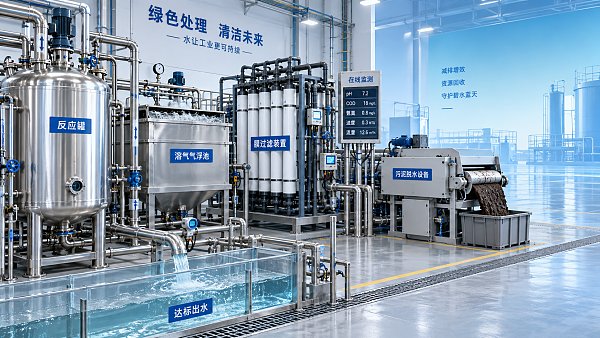
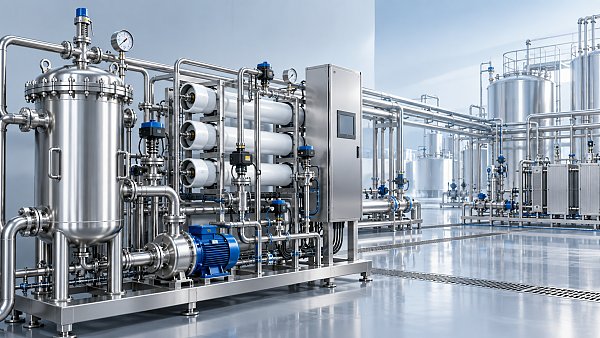
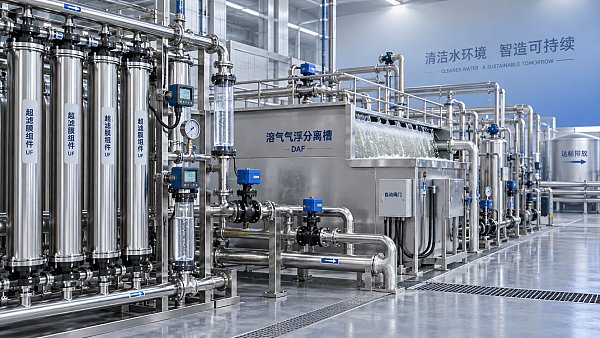
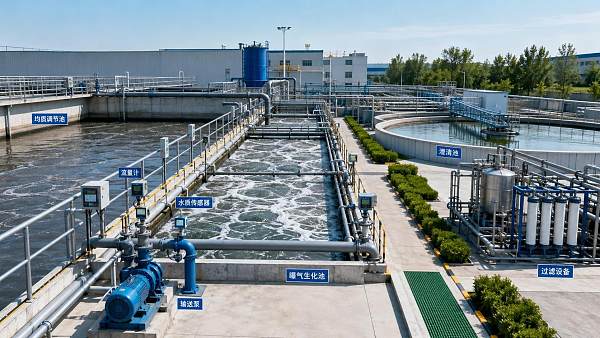
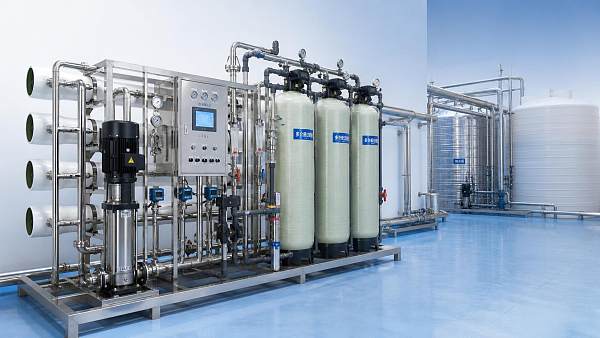
Industrial filtration and separation systems are becoming more important in carbon planning because water treatment has a major indirect energy footprint. Pumping, membrane operation, sludge handling, and thermal treatment all add load.
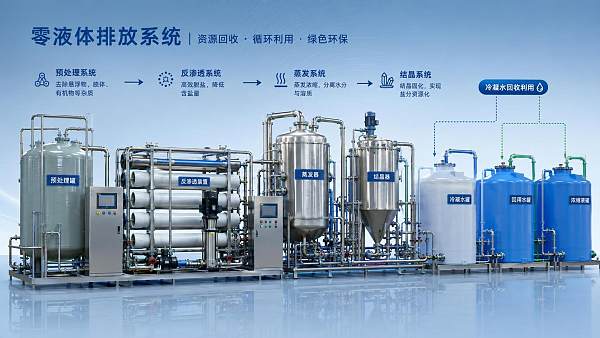
Facilities pursuing Zero Liquid Discharge or aggressive water reuse targets need to evaluate carbon and process risk together. A poorly designed upgrade can reduce discharge volume while raising fouling, cleaning frequency, and energy intensity.
Better industrial decarbonization strategies look at the full treatment chain. Pretreatment quality, membrane selection, differential pressure behavior, backwash cycles, and solids management all affect energy performance.
For evaluators, the strongest business cases often come from projects that improve separation efficiency upstream. Cleaner feed conditions reduce downstream energy demand and improve system reliability.
This approach also lowers compliance risk, which is increasingly important where wastewater rules, water scarcity, or permit limits are tightening.
Electrification Alone Is Not a Low-Risk Strategy
Electrification is often presented as the default decarbonization route, especially where grid power is getting cleaner. In many cases, it is valuable. But it should not be treated as a universal answer.
If an electric upgrade is layered onto an inefficient process, the plant may simply replace one carbon source with a more complex cost structure. Operating instability, power quality issues, and capacity constraints can remain.
For business evaluators, the smarter sequence is usually efficiency first, control second, then fuel switching or electrification where technically justified.
This order reduces the size and risk of future investments. A right-sized, well-controlled pumping or compression system is easier to electrify than a wasteful one.
It also improves confidence in project economics because the baseline is cleaner and the expected benefits are easier to verify.
How to Evaluate Which Strategies Are Worth Funding
Not every emissions reduction project deserves approval. Decision quality improves when evaluators apply a structured screen that goes beyond annual carbon savings.
First, quantify energy intensity and operating criticality. A project affecting a continuously running utility system may have more strategic value than a larger but less controllable emissions claim elsewhere.
Second, examine process interaction risk. Will the change alter flow stability, pressure control, product quality, maintenance intervals, or operator workload? Carbon benefits must survive real operating conditions.
Third, test data quality. Reliable proposals include measured baselines, realistic load profiles, maintenance history, and transparent assumptions on savings persistence.
Fourth, compare value across multiple dimensions: emissions reduction, payback, resilience, compliance support, and lifecycle reliability. The best industrial decarbonization strategies score well across several categories, not just one.
Finally, look for modularity. Projects that can scale across sites or asset classes often create more enterprise value than one-off pilots with limited transferability.
Digital Monitoring Makes Decarbonization More Bankable
One reason some low-carbon projects fail to gain approval is that expected savings are difficult to prove. Digital monitoring helps close that trust gap.
Condition monitoring, smart instrumentation, and performance analytics can track pump efficiency drift, valve behavior, compressor loading, and membrane fouling in near real time.
That visibility improves both execution and governance. Teams can validate savings, detect underperformance early, and adjust operations before energy waste returns.
For business evaluators, digital layers make decarbonization more bankable because they support measurement, accountability, and continuous improvement rather than one-time capital justification.
They also strengthen the risk case by enabling predictive maintenance and earlier intervention on assets that are central to process continuity.
The Best Decarbonization Plans Are Reliability Plans in Disguise
The most successful plants do not treat decarbonization as a parallel initiative. They integrate it into reliability engineering, utility optimization, and process control strategy.
That mindset is especially relevant in fluid and gas handling systems, where energy loss often signals deeper design or operating inefficiency. Fixing the root cause reduces both emissions and operational exposure.
For business evaluators, this is the clearest takeaway. Focus on projects that improve how the plant runs, not just how the plant reports.
Across pumps, valves, compressors, and separation equipment, the strongest industrial decarbonization strategies are those that lower energy intensity, tighten control, and protect uptime at the same time.
When carbon reduction is tied to reliability, the business case becomes easier to defend, easier to measure, and far more likely to deliver lasting value.
Conclusion
Industrial decarbonization strategies create the most value when they are grounded in process reality. Business evaluators should favor measures that cut emissions by improving equipment efficiency, system control, and operational resilience.
In practical terms, that means starting with high-impact fluid and gas systems, validating real operating data, and rejecting projects that look green but increase instability.
The right path is rarely the most theoretical one. It is the one that reduces carbon intensity while making pumps run closer to best efficiency, valves control more precisely, compressors waste less power, and separation systems work with fewer penalties.
That is how decarbonization moves from a compliance burden to a durable performance advantage.
Related News
 What drives industrial wastewater treatment cost per cubic meter?Dr. Alistair VaughnIndustrial wastewater treatment cost per cubic meter depends on influent load, effluent targets, energy, technology, and sludge disposal. Explore the key cost drivers.
 How to verify CE compliance for fluid separation equipmentDr. Alistair VaughnFluid separation equipment CE verification made practical: learn how to check declarations, risk assessments, technical files, pressure safety, and installation readiness.
 Separation equipment trends reshaping industrial wastewater treatmentDr. Alistair VaughnSeparation equipment trends are reshaping industrial wastewater treatment through smarter membranes, modular systems, digital monitoring, and resource recovery strategies.
 When stainless steel separation equipment is the right choice for hygienic processesDr. Alistair VaughnStainless steel separation equipment: discover when hygienic design, corrosion resistance, CIP cleanability, and lifecycle reliability make it the smart choice.
 What to assess before choosing a process industry automation supplierDr. Alistair VaughnChoose a process industry automation supplier with confidence. Assess engineering depth, lifecycle reliability, digital integration, energy performance, and safety before you buy.
 How process control innovation in refineries reduces unplanned shutdownsDr. Alistair VaughnDiscover how process control innovation in refineries detects early deviations, improves valve and equipment reliability, and helps prevent costly unplanned shutdowns.
 What should a zero liquid discharge systems integrator include in its proposal?Dr. Alistair VaughnZero liquid discharge systems integrator proposal checklist: compare guarantees, utilities, scope, controls, waste handling, and lifecycle risk before award.
 Industrial wastewater treatment plant design: sizing for flow and loadDr. Alistair VaughnIndustrial wastewater treatment plant design guide: size systems for peak flow, pollutant loads, reliability, compliance, and lower lifecycle costs.
 Can predictive maintenance and machinery diagnostics prevent downtime?Dr. Alistair VaughnPredictive maintenance machinery diagnostics help reduce unplanned downtime by detecting early equipment issues, improving reliability, and enabling smarter maintenance decisions.
 Can a digital transformation machinery platform cut unplanned downtime?Dr. Alistair VaughnDiscover how a digital transformation machinery platform connects asset data, maintenance workflows, and process insights to reduce unplanned downtime.
 How water treatment equipment sizing affects operating costsDr. Alistair VaughnWater treatment equipment sizing shapes energy, chemical, and maintenance costs. Learn how to balance flow, pressure, recovery, and reliability for efficient operation.
 When does food processing automation justify the upfront investment?Dr. Alistair VaughnIndustrial automation solutions for food processing: discover when automation delivers measurable ROI through higher throughput, lower waste, reliable utilities, and stronger food safety control.