Low-Carbon Manufacturing Trends in 2026




Low-carbon manufacturing is becoming an operating model, not a side program
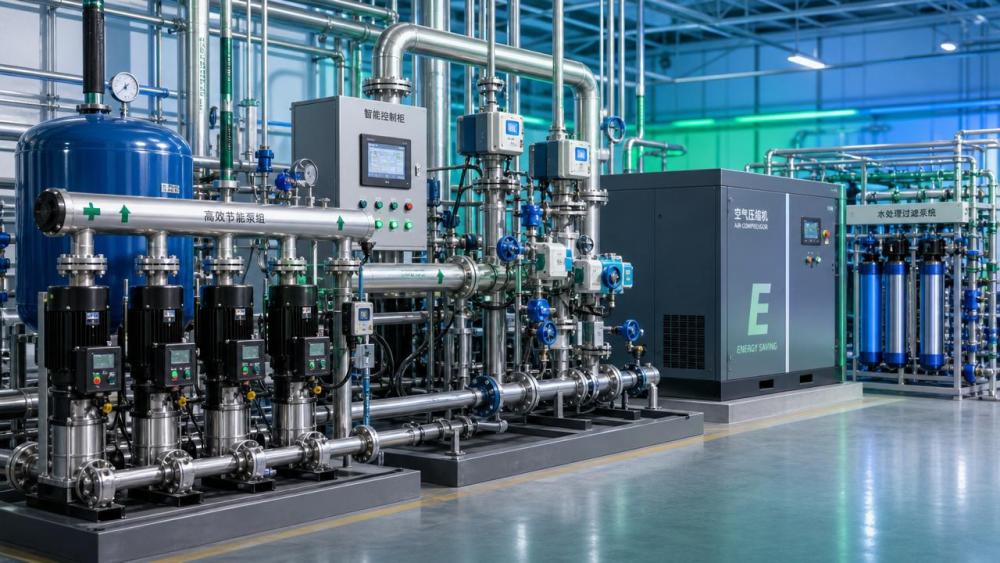
Low-carbon manufacturing enters 2026 with a different tone. The discussion is less about pledges and more about operating discipline, asset productivity, and margin protection.
That shift matters across general industry. Emissions are now traced to pumps, valves, compressors, heat loads, leakage, water treatment, and unstable process control.
For many sites, the fastest gains no longer come from isolated upgrades. They come from linking efficient equipment with digital visibility and tighter process decisions.
This is where low-carbon manufacturing becomes practical. It turns energy, water, compressed air, and flow control into measurable sources of competitive advantage.
A stronger signal is emerging in process industries. Capital planning increasingly favors systems that reduce lifecycle emissions while also stabilizing output, maintenance intervals, and utility bills.
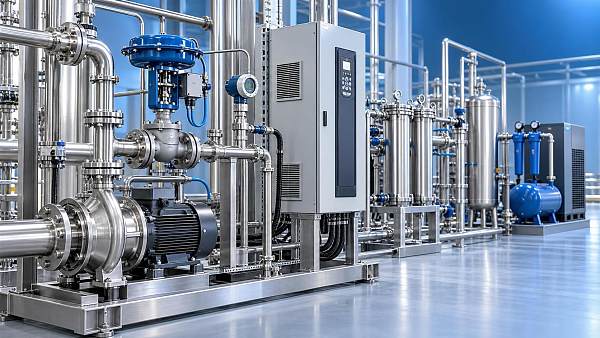
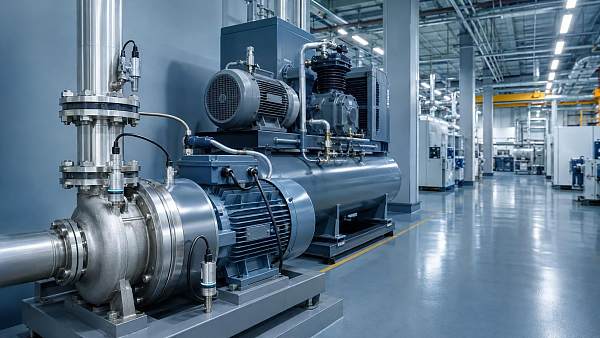
Seen through the lens of FCSM, this change is especially clear in the machinery that keeps industrial circulation alive. Pumps move process fluids, valves regulate precision, compressors sustain automation, and filtration protects recovery loops.
Low-carbon manufacturing therefore is not one technology trend. It is a coordinated redesign of how fluid and gas systems perform under cost, carbon, and reliability pressure.
Why the market signal is getting stronger in 2026
Several forces are reinforcing each other. Regulation matters, but regulation alone does not explain the speed of change now visible in industrial investment decisions.
Energy price volatility remains a major trigger. Facilities with large motor fleets, compressed air demand, and water treatment loads feel carbon pressure through operating expense before they feel it through reporting frameworks.
Supply chain risk also plays a role. When special alloys, seals, motors, and control components face disruption, replacement cycles become strategic rather than reactive.
At the same time, digital tools are more mature. Plants can now connect cavitation behavior, valve instability, compressor efficiency drift, and filtration losses to carbon intensity with far greater accuracy.
That explains why low-carbon manufacturing is moving upstream into design and retrofit planning. The question is no longer whether to decarbonize, but where wasted energy actually hides.
The biggest gains are showing up inside fluid and gas systems
In many factories, carbon reduction looks abstract until equipment-level losses are mapped. Then the opportunity becomes surprisingly concrete.
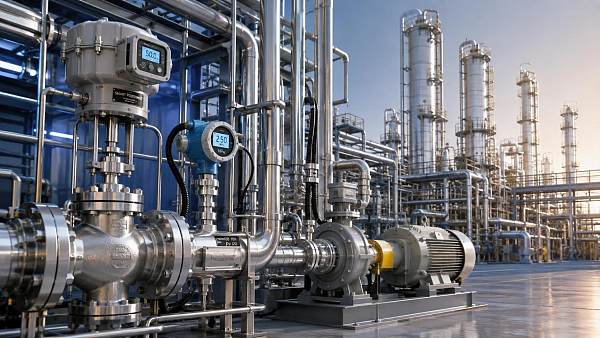
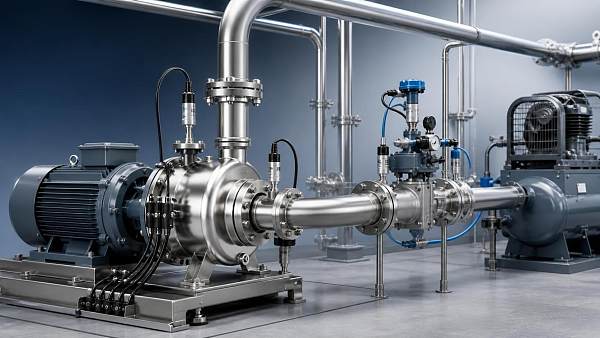
Industrial centrifugal pumps are a good example. Oversizing, off-design operation, recirculation, and cavitation often destroy efficiency long before failure alarms appear.
Smart pneumatic control valves reveal another pattern. Poor trim selection or unstable control loops increase throttling losses, process variability, and wasted steam, air, or feedstock.
Air compressor systems remain one of the clearest low-carbon manufacturing battlegrounds. Leakage, inappropriate pressure bands, and unloaded running still consume too much electricity in otherwise modern plants.
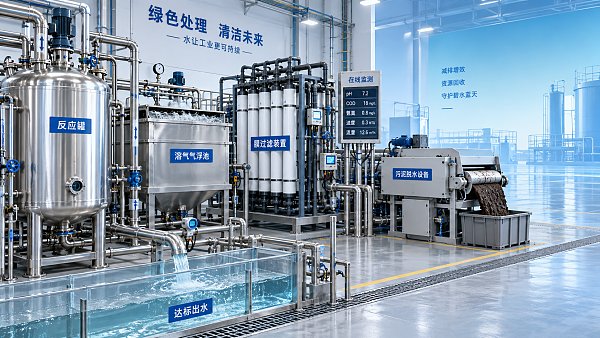
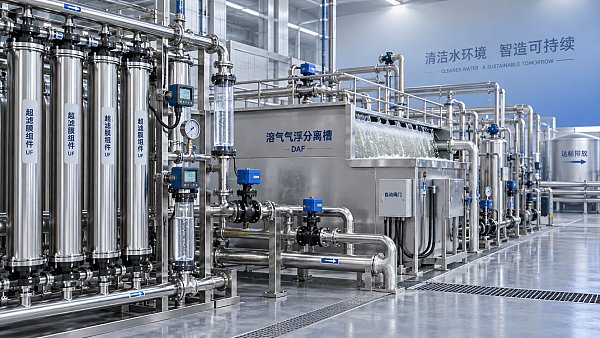
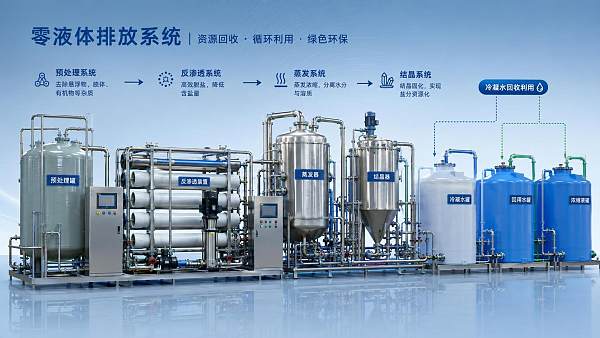
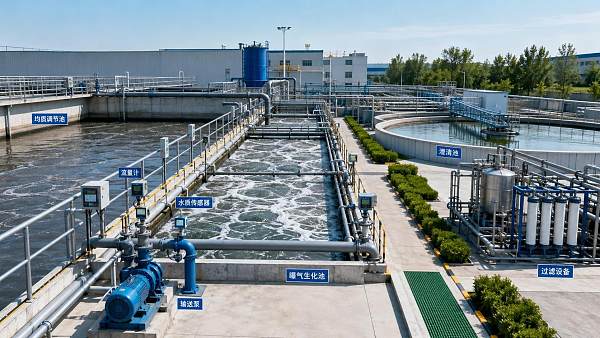
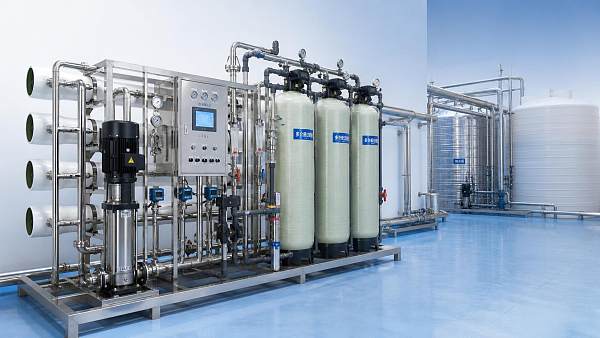
Filtration and separation are also moving to the center of the conversation. Water reuse, membrane life, sludge reduction, and ZLD performance now affect both emissions intensity and operating continuity.
FCSM’s industry view is useful here because it connects mechanical behavior with business outcomes. Cavitation, thermodynamic losses, and control instability are no longer only technical problems. They are carbon and margin problems.
Where attention is shifting first
- Retrofit projects that replace oversized pumps with variable, duty-matched systems
- Compressor optimization programs that combine permanent magnet drives and leakage audits
- Control valve upgrades tied to better loop tuning and lower process fluctuation
- Separation lines designed for water recovery, lower fouling, and reduced discharge load
- Predictive monitoring that links reliability indicators to energy and carbon baselines
Demand is moving from single equipment efficiency to system intelligence
A notable change in 2026 is that buyers are less impressed by standalone performance claims. They want evidence that equipment improves the whole operating chain.
This is why low-carbon manufacturing increasingly depends on data stitching. Energy consumption, flow stability, vibration, pressure deviation, and water quality need to be read together.
In practical terms, a high-efficiency pump matters more when paired with proper control logic. A smart valve matters more when it prevents waste upstream and rework downstream.
The same applies to compressors. Two-stage compression and variable speed technology deliver stronger value when distribution losses and demand swings are visible in real time.
This system view is gradually redefining industrial selection criteria. Low-carbon manufacturing is becoming a question of interaction quality across equipment, controls, and process conditions.
That helps explain the growing relevance of intelligence platforms like FCSM. Market observation now requires technical depth, because carbon performance increasingly depends on hidden operational interactions.
The impact is spreading beyond utilities and into commercial positioning
Low-carbon manufacturing affects more than utility savings. It is beginning to influence tender credibility, financing discussions, customer qualification, and international market access.
Facilities that can demonstrate lower lifecycle energy use and stronger process reliability often gain an advantage in sectors where uptime and compliance are tightly linked.
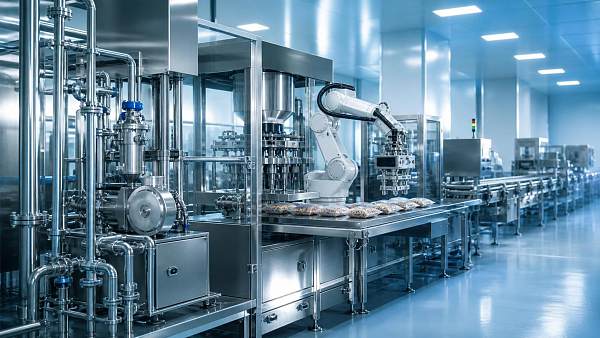
This is especially relevant in water, chemicals, power, food processing, and advanced manufacturing. In these segments, emissions reduction is increasingly judged through operational proof.
More importantly, the economics are changing. Replacement demand for top-tier pumps, compressors, and control components is no longer just maintenance-led. It is strategy-led.
That change creates a wider market divide. Sites with transparent performance data can prioritize upgrades better. Sites without that visibility often spend more while decarbonizing less.
What deserves closer review now
- Motor and compressor fleets with high annual runtime and unstable load profiles
- Pump applications exposed to cavitation, leakage, or frequent bypass operation
- Control networks with recurring pressure oscillation or excessive throttling losses
- Water reuse and filtration systems facing stricter discharge or recovery targets
- Digital infrastructure gaps that prevent reliable carbon-performance baselining
What a practical response looks like from here
The most effective response to low-carbon manufacturing is usually staged, not dramatic. The starting point is to identify the highest-loss nodes in fluid and gas infrastructure.
From there, sites can compare three layers at once: equipment efficiency, control precision, and operational visibility. That approach avoids expensive upgrades with limited system effect.
It also helps separate symbolic action from measurable progress. In many cases, process stability improvements unlock carbon reductions faster than large capital projects.
A useful near-term plan often includes targeted audits, retrofit ranking, and digital instrumentation focused on pumps, valves, compressors, and separation loops with the highest carbon burden.
Low-carbon manufacturing in 2026 favors organizations that treat machinery data as strategic intelligence. That is where technical insight begins to translate into durable commercial strength.
The next step is not to chase every trend at once. It is to monitor efficiency standards, validate loss points, compare upgrade paths, and build a phased response around real operating evidence.
Related News
 What drives industrial wastewater treatment cost per cubic meter?Dr. Alistair VaughnIndustrial wastewater treatment cost per cubic meter depends on influent load, effluent targets, energy, technology, and sludge disposal. Explore the key cost drivers.
 How to verify CE compliance for fluid separation equipmentDr. Alistair VaughnFluid separation equipment CE verification made practical: learn how to check declarations, risk assessments, technical files, pressure safety, and installation readiness.
 Separation equipment trends reshaping industrial wastewater treatmentDr. Alistair VaughnSeparation equipment trends are reshaping industrial wastewater treatment through smarter membranes, modular systems, digital monitoring, and resource recovery strategies.
 When stainless steel separation equipment is the right choice for hygienic processesDr. Alistair VaughnStainless steel separation equipment: discover when hygienic design, corrosion resistance, CIP cleanability, and lifecycle reliability make it the smart choice.
 What to assess before choosing a process industry automation supplierDr. Alistair VaughnChoose a process industry automation supplier with confidence. Assess engineering depth, lifecycle reliability, digital integration, energy performance, and safety before you buy.
 How process control innovation in refineries reduces unplanned shutdownsDr. Alistair VaughnDiscover how process control innovation in refineries detects early deviations, improves valve and equipment reliability, and helps prevent costly unplanned shutdowns.
 What should a zero liquid discharge systems integrator include in its proposal?Dr. Alistair VaughnZero liquid discharge systems integrator proposal checklist: compare guarantees, utilities, scope, controls, waste handling, and lifecycle risk before award.
 Industrial wastewater treatment plant design: sizing for flow and loadDr. Alistair VaughnIndustrial wastewater treatment plant design guide: size systems for peak flow, pollutant loads, reliability, compliance, and lower lifecycle costs.
 Can predictive maintenance and machinery diagnostics prevent downtime?Dr. Alistair VaughnPredictive maintenance machinery diagnostics help reduce unplanned downtime by detecting early equipment issues, improving reliability, and enabling smarter maintenance decisions.
 Can a digital transformation machinery platform cut unplanned downtime?Dr. Alistair VaughnDiscover how a digital transformation machinery platform connects asset data, maintenance workflows, and process insights to reduce unplanned downtime.
 How water treatment equipment sizing affects operating costsDr. Alistair VaughnWater treatment equipment sizing shapes energy, chemical, and maintenance costs. Learn how to balance flow, pressure, recovery, and reliability for efficient operation.
 When does food processing automation justify the upfront investment?Dr. Alistair VaughnIndustrial automation solutions for food processing: discover when automation delivers measurable ROI through higher throughput, lower waste, reliable utilities, and stronger food safety control.