Oil Fracking Pumps: Key Failure Risks to Check




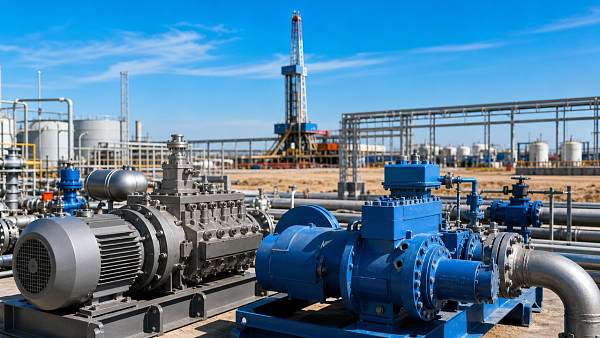
In high-pressure hydraulic fracturing, oil fracking pumps operate under punishing loads, abrasive fluids, and continuous vibration.
Small defects can quickly become costly safety incidents, especially during long pumping stages and tight completion schedules.
For quality control and safety teams, failure-risk inspection supports uptime, pressure stability, compliance, and safer field operations.
This guide explains practical scenarios, warning signs, and inspection priorities for keeping oil fracking pumps reliable under harsh service.
When Oil Fracking Pumps Face the Highest Failure Risk
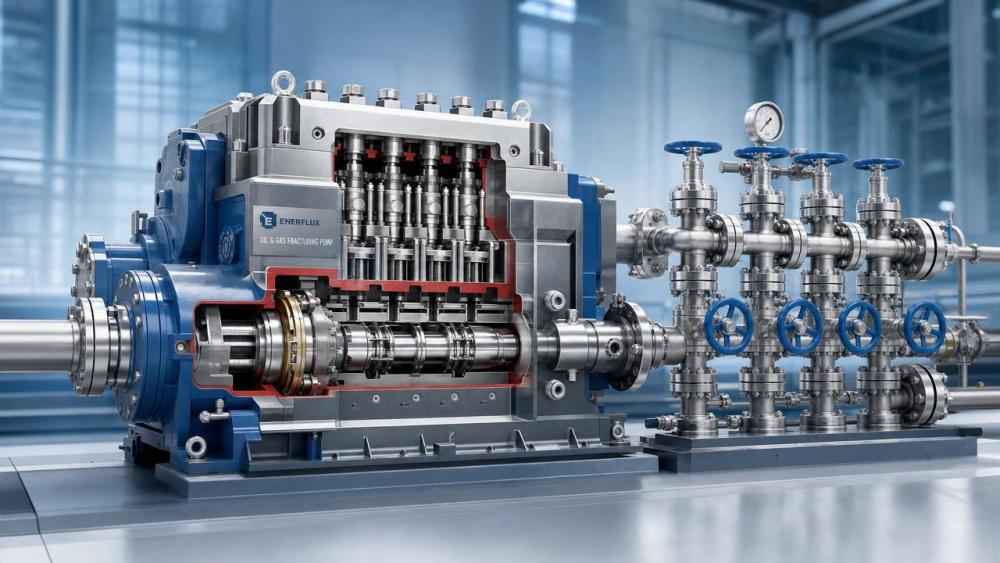
Failure risk is not constant across every fracturing job, basin, or pump configuration.
Oil fracking pumps become more vulnerable when pressure, proppant concentration, temperature swings, and duty cycle rise together.
A short job with clean fluid may stress valves less than a long pad operation using abrasive sand loading.
Risk-based inspection helps prioritize the parts most likely to fail under the actual operating scenario.
This approach is stronger than checking every component with the same frequency and the same pass-fail logic.
Scenario signals that demand closer inspection
- Sustained high discharge pressure near rated pump limits.
- Rapid pressure cycling during stage transitions.
- High sand concentration or inconsistent slurry blending.
- Visible vibration increase at the power end or fluid end.
- Rising lubricant temperature during continuous operation.
- Unusual valve noise, knocking, or unstable flow response.
When several signals appear together, oil fracking pumps require immediate condition review before the next pressure ramp.
High-Pressure Pad Operations: Check Fluid-End Fatigue First
Pad drilling can keep oil fracking pumps working through repeated stages with limited cooling or maintenance windows.
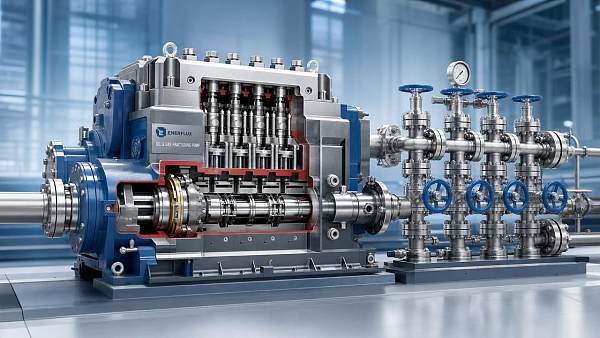
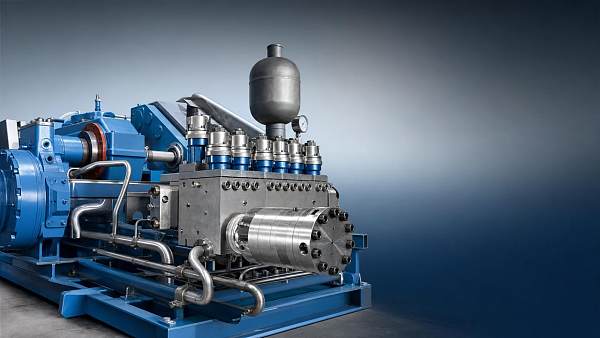
The fluid end sees intense cyclic stress, which can produce cracks around bores, seats, and threaded connections.
Early fatigue may not show as a dramatic failure. It often appears as weeping, pressure instability, or recurring seal damage.
Inspection should focus on high-stress geometry, torque history, and any evidence of washout or erosion paths.
Core judgment points
- Review pressure logs for repeated spikes above operating targets.
- Inspect fluid-end bodies for hairline cracks using approved NDT methods.
- Check valve seat pockets for erosion, fretting, or uneven contact marks.
- Confirm fastener torque and thread condition after high-load campaigns.
For oil fracking pumps in pad operations, small fatigue indicators deserve conservative decisions and documented follow-up.
Abrasive Slurry Stages: Watch Valves, Seats, and Plungers
Abrasive slurry is one of the toughest operating environments for oil fracking pumps.
Sand, chemical additives, and imperfect filtration accelerate wear across valves, seats, plungers, and packing systems.
The danger is progressive efficiency loss before obvious failure. Pressure output declines while heat and vibration increase.
Valve impact marks, rounded sealing edges, and washed surfaces indicate that slurry is cutting away working geometry.
What to inspect during abrasive jobs
- Valve lips for chipping, grooving, and uneven wear.
- Seat sealing faces for washout and eccentric contact.
- Plunger surfaces for scoring, corrosion pits, or coating loss.
- Packing leakage rate during pressure hold periods.
- Suction strainers for blockage, torn mesh, or bypass evidence.
Oil fracking pumps handling aggressive slurry need shorter inspection intervals than pumps used in cleaner fluid service.
Cold Starts and Hot Runs: Identify Lubrication Breakdown
Temperature variation changes lubricant viscosity, seal elasticity, and bearing behavior in oil fracking pumps.
Cold starts can delay lubrication film formation. Hot runs can thin oil and reduce bearing protection.
Both conditions increase risk in crankshafts, connecting rods, crossheads, and power-end bearings.
A lubrication issue may first appear as rising temperature, metallic particles, foaming, or abnormal power-end sound.
Practical inspection actions
- Check lubricant level, grade, cleanliness, and change history.
- Inspect magnetic plugs and filters for metal debris.
- Trend bearing temperatures instead of relying on single readings.
- Verify oil pressure before ramping to full load.
- Look for water contamination after washdown or severe weather exposure.
For oil fracking pumps, lubrication checks protect both safety and asset life during long-duty fracturing campaigns.
Mobile Fleet Operations: Control Vibration and Alignment Risks
Mobile pumping fleets face transport shock, uneven ground, rapid rig-up, and frequent connection changes.
These conditions can make oil fracking pumps vulnerable to misalignment, loose mounts, damaged piping, and fatigue.
Vibration should be treated as a diagnostic signal, not simply a normal feature of heavy pumping.
Excess vibration can loosen fasteners, damage instrumentation, crack manifolds, and accelerate valve train wear.
Field checks before pressure-up
- Confirm skid level, anchor security, and support stability.
- Inspect suction and discharge lines for strain on pump connections.
- Check coupling condition and drivetrain alignment indicators.
- Tighten critical fasteners according to documented torque values.
- Review vibration trends from previous stages or recent jobs.
Oil fracking pumps in mobile service need disciplined setup checks before every demanding stage.
Different Scenarios Require Different Inspection Priorities
A single checklist can miss important scenario differences in oil fracking pumps.
Inspection planning should connect operating conditions with the components most likely to lose reliability.
This scenario map helps oil fracking pumps receive targeted maintenance rather than generic inspection effort.
Scenario-Based Fit Recommendations for Safer Operation
Reliable operation depends on matching pump setup, monitoring depth, and maintenance timing to field severity.
Oil fracking pumps should not be judged only by rated horsepower or pressure capacity.
Material selection, valve design, packing compatibility, filtration quality, and data monitoring all influence risk exposure.
Recommended actions by condition
- Use more frequent fluid-end inspections for high-pressure, long-duration stages.
- Select wear-resistant valves and seats for high-sand fracturing fluids.
- Increase lubricant analysis frequency when temperature variation is severe.
- Add vibration monitoring when fleets move between locations frequently.
- Document seal leakage trends instead of waiting for visible failure.
- Review suction conditions whenever cavitation-like noise or flow instability appears.
These actions help oil fracking pumps maintain stable discharge pressure and reduce unplanned intervention.
Common Misjudgments That Hide Pump Failure Risks
Many failures begin as normal-looking operating deviations that are explained away too quickly.
Oil fracking pumps often continue running despite early indicators, which can create a false sense of security.
Mistakes to avoid
- Treating packing leakage as acceptable without tracking its rate.
- Ignoring suction restriction because discharge pressure still looks adequate.
- Replacing valves without examining seats and fluid-end erosion.
- Assuming vibration is harmless because the pump is still delivering flow.
- Using time-based maintenance when operating severity has changed sharply.
- Overlooking chemical compatibility between fracturing fluid and elastomer components.
These overlooked points can turn oil fracking pumps from productive assets into safety and downtime liabilities.
Build a Practical Inspection Routine for Oil Fracking Pumps
A strong routine combines daily checks, stage-based reviews, and deeper inspections after severe operating windows.
Start with operating data, then verify physical condition through targeted visual, mechanical, and diagnostic methods.
Pressure trends, vibration signatures, oil analysis, leakage logs, and component wear measurements should be reviewed together.
This integrated view supports predictive maintenance for oil fracking pumps and reduces reliance on emergency repairs.
Action checklist for the next field review
- Rank current jobs by pressure, slurry abrasiveness, temperature, and duty cycle.
- Assign inspection intervals according to the highest-risk scenario.
- Compare actual performance against baseline pressure and vibration data.
- Record recurring failures by component, stage, and operating condition.
- Use findings to update spare parts planning and maintenance triggers.
FCSM tracks fluid-control reliability, high-pressure pumping, and predictive maintenance trends across demanding industrial systems.
Use scenario-based inspection to make oil fracking pumps safer, more predictable, and better prepared for every fracturing stage.
Related News
 What to check before choosing an oil fracking pumps supplierHigh-Pressure Flow ExpertOil fracking pumps supplier selection starts with risk control. Learn what to check on quality, testing, lead time, spare parts, and warranty before you buy.
 EPA Tightens VOC Limit for Fracking PumpsHigh-Pressure Flow ExpertEPA tightens VOC limits for fracking pumps starting 2027. Learn how the NSPS update affects compliance, Chinese suppliers, sealing systems, and importer risk.
 How to Evaluate a Plunger Pump Supplier for UptimeHigh-Pressure Flow ExpertPlunger pump supplier selection starts with uptime. Learn how to compare pressure stability, materials, spare parts, and service support to reduce downtime and total cost.
 Oil Fracking Pumps: Key Factors for Reliable Field PerformanceHigh-Pressure Flow ExpertOil fracking pumps determine uptime, pressure stability, and lifecycle cost. Discover the key factors behind reliable field performance and smarter pump selection.
 OPEC Output Hits 37-Year Low as Pump Demand RisesHigh-Pressure Flow ExpertOPEC output hits a 37-year low as pump demand rises, signaling new opportunities in shale oil, tight gas, fracking pumps, and high-pressure injection pump sourcing.
![]() Industrial Plunger Pumps: Key Performance Factors Before You BuyHigh-Pressure Flow ExpertIndustrial plunger pumps buying guide: compare pressure stability, material compatibility, maintenance needs, and lifecycle cost to choose a reliable, high-performance pump.
Industrial Plunger Pumps: Key Performance Factors Before You BuyHigh-Pressure Flow ExpertIndustrial plunger pumps buying guide: compare pressure stability, material compatibility, maintenance needs, and lifecycle cost to choose a reliable, high-performance pump. Oil Fracking Pumps: Key Failure Risks to CheckHigh-Pressure Flow ExpertOil fracking pumps face fatigue, abrasive wear, lubrication and vibration risks. Learn key inspection priorities to improve uptime, safety and pressure stability.
 Oil Fracking Pumps: What Drives Maintenance Costs in the FieldHigh-Pressure Flow ExpertOil fracking pumps face rising field maintenance costs from pressure, abrasion, and downtime risks. Learn the real cost drivers and smarter ways to improve reliability.