High-Pressure Plunger Pumps Specifications Explained




Selecting the right pump for demanding industrial duties starts with understanding high-pressure plunger pumps specifications in practical engineering terms.
Rated pressure, flow stability, plunger materials, seal design, volumetric efficiency, and serviceability directly shape performance, lifecycle cost, and operational risk.
In SWRO, chemical dosing, hydrotesting, and oilfield service, high-pressure plunger pumps specifications are not catalog details. They are reliability boundaries.
High-Pressure Plunger Pumps Specifications in Basic Engineering Terms
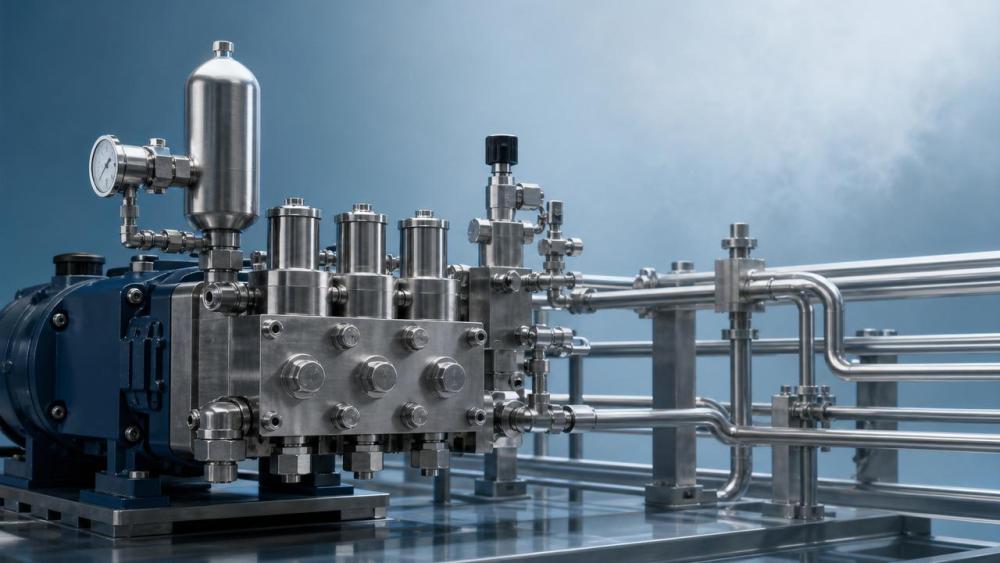
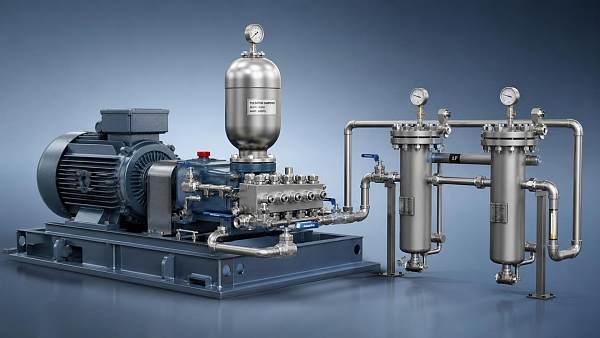
A high-pressure plunger pump is a positive displacement machine designed to move fluid by reciprocating plungers inside pressure chambers.
Unlike centrifugal pumps, its flow is mainly linked to displacement and speed, while discharge pressure depends on system resistance.
This makes high-pressure plunger pumps specifications especially important when stable metering, extreme pressure, and predictable hydraulic output are required.
Core specifications describe how much pressure the pump can withstand, how much fluid it delivers, and how efficiently it converts power.
They also explain the compatibility between wetted parts, fluid chemistry, temperature, viscosity, solids, and operating duty cycle.
In practical selection, high-pressure plunger pumps specifications should be read as an integrated performance envelope, not isolated numbers.
Primary Parameters to Read First
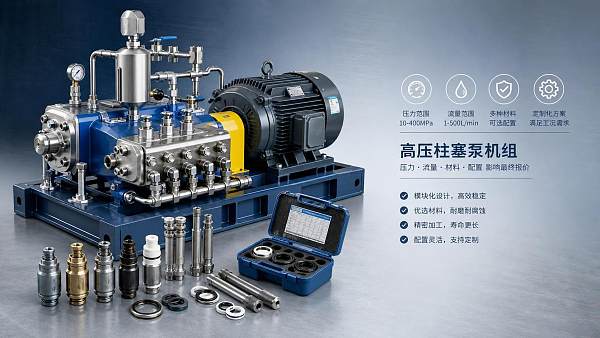
- Rated pressure: maximum continuous working pressure under defined conditions.
- Flow rate: delivered volume per unit time at a stated speed.
- Power requirement: shaft power needed for pressure, flow, and efficiency.
- Plunger diameter and stroke: key geometry controlling displacement.
- Pump speed: strokes per minute, affecting pulsation, wear, and suction behavior.
- Fluid end material: corrosion, erosion, and pressure fatigue resistance.
Current Industrial Focus Behind Specification Decisions
Modern fluid systems face higher pressure, tighter energy targets, and more demanding uptime expectations than earlier process installations.
As decarbonization reshapes plant design, high-pressure plunger pumps specifications increasingly influence energy audits and lifecycle emissions.
Digital maintenance also changes evaluation methods. Sensors, pulsation monitoring, and vibration trends now support specification validation.
These signals explain why high-pressure plunger pumps specifications must connect mechanical design with process risk and long-term operating data.
Pressure, Flow, and Power as the Core Selection Triangle
The most visible part of high-pressure plunger pumps specifications is the relationship between pressure, flow, and required power.
Pressure is usually listed in bar, MPa, or psi. It should distinguish continuous rating from intermittent maximum pressure.
Continuous rated pressure is more meaningful for process plants, because fatigue and heat accumulation occur over long operating periods.
Flow rate should be confirmed at actual pump speed, fluid viscosity, suction conditions, and valve condition.
A nominal catalog flow may differ from field flow when slip, compression, temperature, or worn valves are present.
Power must include hydraulic output plus losses. Motor sizing should allow safe margins without encouraging inefficient oversizing.
Formula Awareness for Practical Review
Hydraulic power rises with both pressure and flow. Small changes in either parameter can significantly affect motor demand.
That is why high-pressure plunger pumps specifications should always state efficiency assumptions and test conditions.
If efficiency is omitted, direct comparison between two pump models may lead to incorrect energy-cost conclusions.
Materials, Seals, and Fluid Compatibility
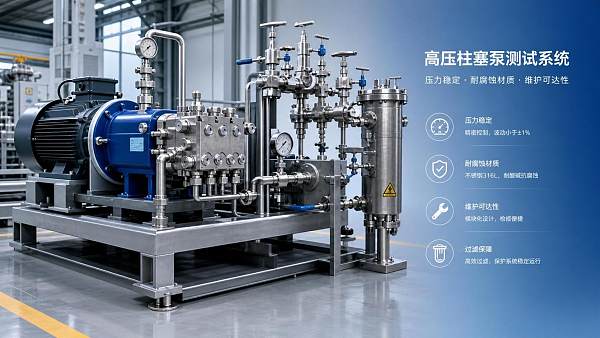
Fluid-end construction is central to high-pressure plunger pumps specifications because it carries the highest mechanical and chemical stress.
Common fluid-end materials include stainless steel, duplex stainless steel, nickel alloys, hardened steels, and specialized coatings.
Selection depends on chloride concentration, acidity, temperature, abrasive solids, cleaning chemicals, and pressure cycling frequency.
Plunger surfaces require high hardness, smooth finish, and corrosion resistance. Ceramic plungers are common in clean water and chemical duties.
Tungsten carbide coatings or hardened metallic options may be preferred where abrasion or impact risk is higher.
Seal design directly affects leakage, friction, temperature rise, and maintenance frequency. Packing sets must match pressure and fluid chemistry.
Efficiency, Pulsation, and Reliability Indicators
High-pressure plunger pumps specifications should include volumetric efficiency, mechanical efficiency, and recommended operating speed range.
Volumetric efficiency shows how much theoretical displacement becomes useful delivered flow after slip and valve losses.
Mechanical efficiency reflects friction losses in the crankcase, bearings, crossheads, seals, and connecting components.
Together, these values determine actual energy cost, thermal behavior, and suitability for continuous service.
Pulsation is another decisive issue. Reciprocating motion naturally creates pressure waves that affect pipes, instruments, and valves.
High-pressure plunger pumps specifications should identify cylinder count, pulsation dampener requirements, and acceptable pressure fluctuation limits.
A triplex pump often delivers smoother flow than a simplex unit, while quintuplex designs can further reduce pulsation.
Reliability Clues in Technical Data
- Bearing life rating under continuous duty.
- Lubrication method and oil temperature limits.
- Maximum suction pressure and net positive suction conditions.
- Recommended inspection intervals for packing and valves.
- Availability of torque, vibration, and pressure monitoring points.
Typical Applications and Specification Priorities
Different industries read high-pressure plunger pumps specifications through different risk profiles and operating priorities.
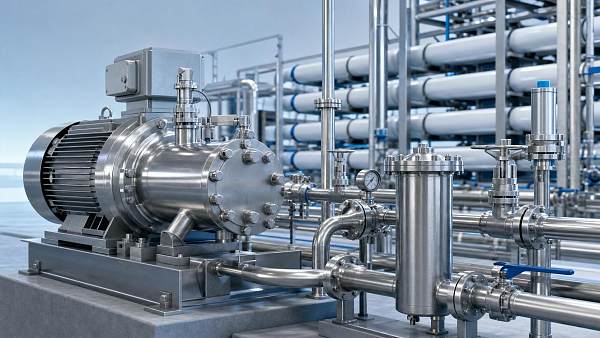
A desalination plant may emphasize energy recovery integration, corrosion resistance, and stable membrane feed pressure.
A hydrotest system may focus on pressure accuracy, slow controllable ramping, and safe overpressure protection.
Oilfield and fracturing service often requires rugged power ends, abrasive tolerance, and rapid maintenance access.
Installation and Serviceability Factors Often Missed
Even strong high-pressure plunger pumps specifications can fail in practice if installation conditions are weak.
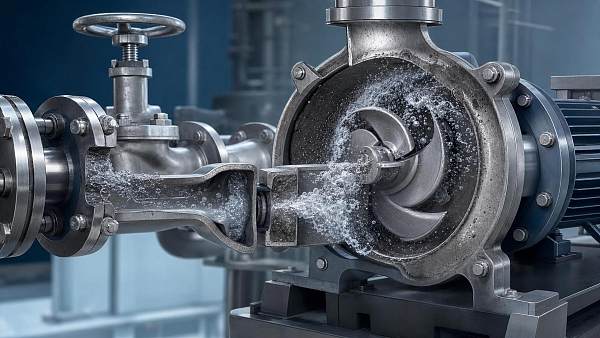
Suction piping deserves early attention. Inadequate inlet pressure causes cavitation, valve damage, noise, and unstable discharge flow.
The suction line should be short, properly sized, and free from unnecessary elbows, restrictions, and air pockets.
Foundation stiffness also matters. Reciprocating loads can create vibration that shortens coupling, bearing, and pipe support life.
Serviceability should be treated as a specification requirement, not a maintenance afterthought.
Clear access to valves, packing, plungers, crankcase oil, and dampeners reduces downtime during planned inspections.
Practical Checklist Before Final Selection
- Confirm continuous pressure, not only maximum pressure.
- Verify flow at actual speed and fluid conditions.
- Check material compatibility against the full chemical profile.
- Review seal life expectations and replacement access.
- Calculate motor power using realistic efficiency values.
- Specify pulsation dampening for piping and instruments.
- Confirm spare parts availability and inspection intervals.
Comparing Models with a Structured Specification Matrix
A structured comparison prevents one attractive number from hiding weaknesses in other high-pressure plunger pumps specifications.
Pressure and flow should be compared beside efficiency, material grade, seal design, maintenance access, and monitoring readiness.
Noise, vibration, lubrication, cooling method, and operating temperature should also be included for continuous-duty installations.
For regulated environments, documentation quality can be as important as mechanical capability.
Test curves, pressure certificates, material traceability, and maintenance manuals help verify that performance claims are measurable.
Practical Specification Guidance for Reliable Operation
The strongest specification strategy begins with the process duty, not the pump catalog.
Define minimum, normal, and maximum pressure. Then define flow range, fluid properties, temperature, and required operating hours.
High-pressure plunger pumps specifications should include safety margins, but excessive oversizing can reduce efficiency and control stability.
For high-value production lines, include monitoring provisions from the beginning rather than adding them after failures occur.
Pressure transmitters, vibration sensors, oil temperature monitoring, and leakage detection can support predictive maintenance programs.
When fluids are corrosive or abrasive, request compatibility evidence based on similar service, laboratory data, or field references.
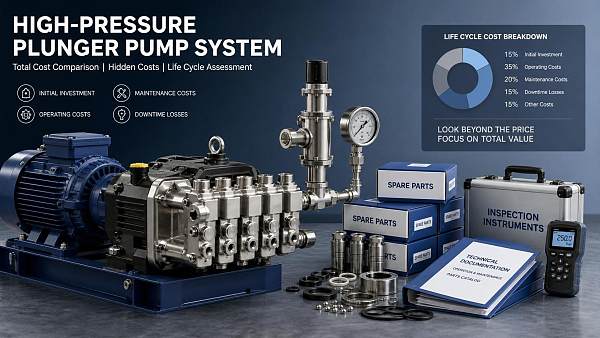
When energy cost is significant, compare lifecycle power consumption, not only initial purchase price.
From Specifications to Confident Pump Decisions
High-pressure plunger pumps specifications translate hydraulic demand into mechanical, material, and operational requirements.
A reliable evaluation links pressure, flow, efficiency, materials, seals, pulsation, installation, and serviceability into one decision framework.
For demanding fluid systems, this disciplined approach reduces downtime, improves energy performance, and strengthens lifecycle reliability.
Use high-pressure plunger pumps specifications as a verification tool before purchase, commissioning, and long-term maintenance planning.
The next practical step is to build a duty sheet covering pressure, flow, fluid, materials, efficiency, installation, and service access.
With that sheet, model comparisons become clearer, technical discussions become faster, and pump selection becomes more defensible.
Related News
 How to Size a Skid Mounted High-Pressure Plunger Pump for Duty Cycle and Pressure LossHigh-Pressure Flow ExpertHigh-pressure plunger pumps skid mounted sizing explained: learn how to match duty cycle, pressure loss, suction stability, and control strategy for safer, longer-lasting performance.
 What Affects a High-Pressure Plunger Pumps Quotation for Industrial Use?High-Pressure Flow ExpertHigh-pressure plunger pumps quotation explained: learn how pressure, materials, seals, testing, and RFQ details affect price, helping buyers compare quotes and avoid costly mistakes.
 Plunger Pumps Stainless Steel: When the Material Upgrade Pays OffHigh-Pressure Flow ExpertPlunger pumps stainless steel: learn when the higher upfront cost pays off through better corrosion resistance, lower downtime, and longer service life in demanding applications.
 Fluid Dynamic Cavitation at High Pressure: Causes, Damage Signs, and FixesHigh-Pressure Flow ExpertFluid dynamic cavitation high pressure explained: uncover root causes, early damage signs, and proven fixes to protect pumps, valves, and system reliability.
 How to Compare a High-Pressure Plunger Pumps SupplierHigh-Pressure Flow ExpertHigh-pressure plunger pumps supplier comparison starts with performance, materials, efficiency, and support. Learn how to choose a reliable partner and reduce lifetime operating risk.
 How to Compare Plunger Pump Price Without Missing Hidden CostsHigh-Pressure Flow ExpertPlunger pump price is only the starting point. Learn how to compare quotes, uncover hidden costs, and choose the best value for uptime, efficiency, and long-term performance.
 China Requires 10-Digit HS Codes for Pressure Washer Pump ExportsHigh-Pressure Flow ExpertChina requires 10-digit HS codes for pressure washer pump exports from July 10, 2026. Learn the new customs filing rule, compliance risks, and how to avoid shipment delays.
 China Customs Requires 10-Digit HS Codes for Pressure Pump ExportsHigh-Pressure Flow ExpertChina Customs now requires 10-digit HS codes for pressure pump exports, plus use statements and pressure parameter sheets. Learn how to avoid delays, inspections, and filing risks.
 China Tightens Export Filing for Drone-Linked Pump PartsHigh-Pressure Flow ExpertChina tightens export filing for drone-linked pump parts from June 30, 2026. Learn the new HS code, manufacturer ID, and customs compliance rules exporters must review now.
 U.S. Subsidy Ruling Reaches Pump-Linked Trailer ModulesHigh-Pressure Flow ExpertU.S. Subsidy Ruling reaches pump-linked trailer modules, impacting High-pressure Wash Pumps and Fracking & Injection Pumps with new compliance, carbon, and export document demands.
 China Tightens Drone Export Declarations From June 30High-Pressure Flow ExpertChina Tightens Drone Export Declarations From June 30: learn how 10-digit HS code filing, manufacturer disclosure, and traceability rules affect drone and smart equipment exporters.
 High-Pressure Plunger Pumps Repair: Fix Seal Wear, Pressure Drop, and Noise FastHigh-Pressure Flow ExpertHigh-pressure plunger pumps repair made simple: fix seal wear, pressure drop, and abnormal noise fast with practical diagnostics that reduce downtime and restore reliable performance.