Fluid dynamics research is reshaping pump design choices




Fluid dynamics research is rapidly transforming how engineers evaluate pump performance, reliability, and energy efficiency. What was once a design process led mainly by empirical curves and conservative safety factors is now guided by deeper insight into turbulence, cavitation, suction behavior, pressure pulsation, and system interaction. Across the broader industrial machinery landscape, this shift matters because pump design choices now influence not only throughput, but also carbon intensity, maintenance frequency, process stability, and total lifecycle cost. For anyone tracking industrial equipment trends, fluid dynamics research offers a practical lens for identifying which pump solutions are truly future-ready.
In process industries, water treatment, energy systems, chemicals, mining, food production, and general manufacturing, pumps sit at the center of fluid movement. When fluid dynamics research is applied correctly, it reveals where losses occur, why vibration emerges, how flow recirculation damages components, and which hydraulic geometry delivers the best balance of efficiency and reliability. This makes structured evaluation essential. A clear decision framework helps compare designs beyond catalog data and ensures that pump selection reflects real operating conditions instead of ideal laboratory assumptions.
Why structured evaluation matters as fluid dynamics research reshapes pump design choices
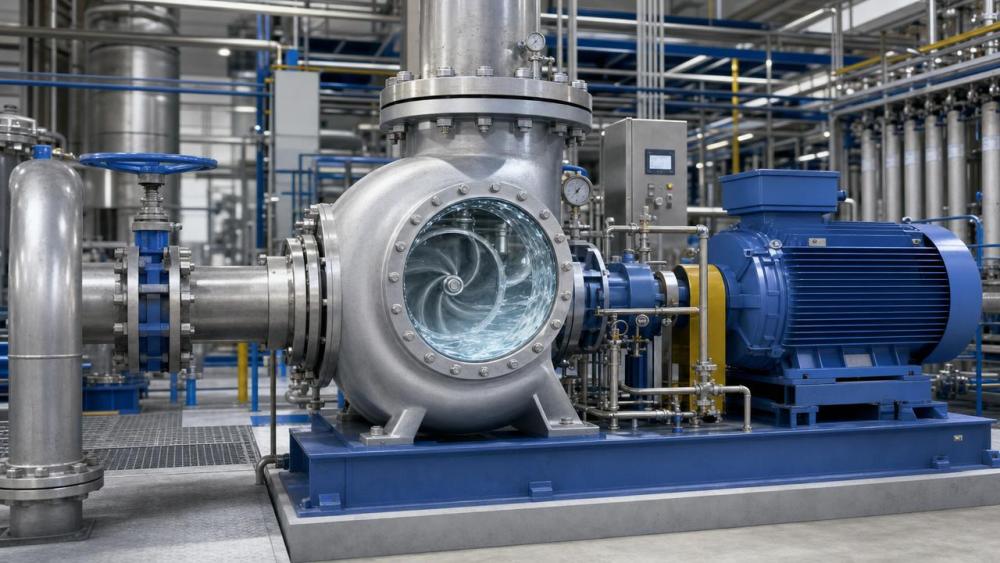
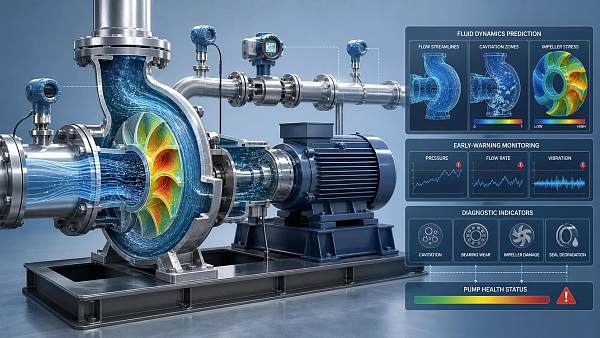
Modern pump development increasingly depends on CFD modeling, transient flow analysis, cavitation prediction, material compatibility studies, and digital performance mapping. These tools make fluid dynamics research more actionable, but they also create more variables to assess. A pump that appears efficient at the best efficiency point may suffer severe instability under part-load operation. Another model may have slightly lower peak efficiency yet offer superior resistance to cavitation, solids handling, or off-design flow conditions.
In other words, fluid dynamics research has expanded the definition of good pump design. The most competitive choice is no longer the one with the highest nominal efficiency alone. It is the one that aligns hydraulic performance, system control logic, energy use, maintenance intervals, and process resilience. A checklist-based review keeps that broader perspective intact and helps prevent expensive errors during specification, retrofitting, or fleet standardization.
Core points to review when using fluid dynamics research to compare pump designs
The following points translate fluid dynamics research into practical screening criteria for pump design choices across industrial applications.
- Verify whether the pump maintains stable hydraulic efficiency not only at BEP, but across the expected operating range, including start-stop cycles and low-flow conditions.
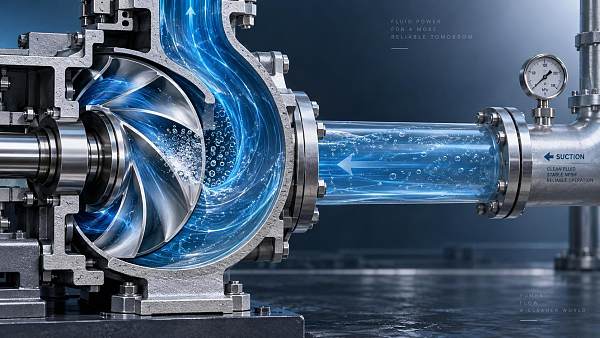
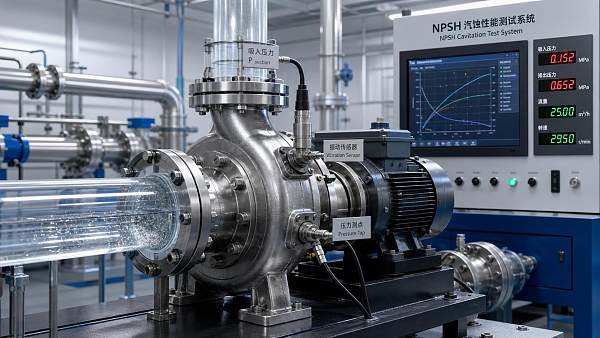
- Check cavitation resistance using NPSH margin, vapor pressure behavior, inlet geometry, and CFD-based bubble collapse analysis under real suction temperatures and elevations.
- Review impeller and casing design for recirculation zones, flow separation, and turbulence intensity that can increase vibration, erosion, and long-term reliability risk.
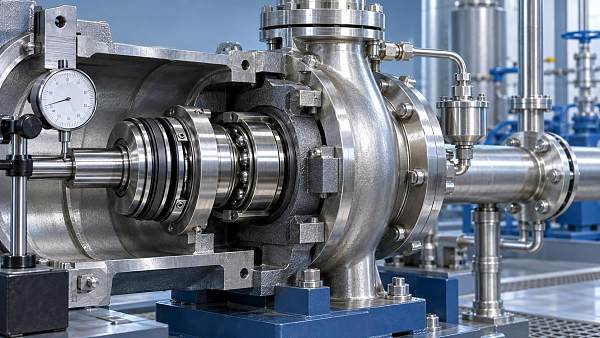
- Assess how fluid dynamics research supports seal chamber flow, bearing cooling, and shaft loading, especially where zero leakage or hazardous media control is critical.
- Confirm compatibility between pump hydraulics and variable frequency drive operation, since speed modulation changes pressure profiles, flow angles, and dynamic system response.
- Examine pressure pulsation and hydraulic resonance risks in piping networks, because pump performance can degrade when system acoustics amplify transient flow effects.
- Compare expected wear behavior for abrasive, corrosive, viscous, or gas-entrained fluids, using fluid dynamics research to understand localized velocity and particle impact zones.
- Study part-load and overload behavior instead of relying only on nameplate data, since many industrial pumps operate away from original design duty.
- Review digital simulation quality, mesh resolution, boundary assumptions, and validation methods to ensure fluid dynamics research results are trustworthy and not marketing only.
- Include lifecycle energy cost, expected maintenance intervals, and carbon reduction impact, because hydraulic optimization often delivers value far beyond initial purchase price.
How fluid dynamics research applies in different operating scenarios
Water and wastewater systems
In municipal water transport, wastewater lifting, desalination pretreatment, and filtration support systems, fluid dynamics research is especially valuable for understanding solids passage, clogging tendency, suction instability, and energy consumption under variable daily load. Pump design choices in these systems must account for fluctuating flow rates, suspended particles, and long operating hours, not just clean-water test results.
Key review points include impeller passage geometry, anti-ragging performance, NPSH margin during seasonal temperature changes, and hydraulic losses in pipe elbows and valves. In these applications, fluid dynamics research often reveals that moderate design changes in inlet conditions or impeller trimming can reduce recurring maintenance significantly.
Chemical and petrochemical processing
For corrosive, volatile, or high-temperature media, fluid dynamics research helps evaluate more than efficiency. It clarifies where vapor formation may begin, how pressure drops affect seal reliability, and whether localized turbulence could accelerate corrosion or material fatigue. Pump design choices here must be tightly aligned with containment, stability, and process continuity.
Important checks include cavitation onset near reduced suction head, secondary flow near seals, shaft deflection under hydraulic load, and compatibility with smart control valves that alter downstream resistance. A design supported by strong fluid dynamics research usually performs more predictably during process upsets.
Power generation and energy infrastructure
In boiler feed systems, cooling water circuits, district energy, and nuclear auxiliary services, pump reliability is closely tied to fluid dynamics research because minor hydraulic inefficiencies can scale into major energy losses over continuous operation. Pressure stability, low vibration, and high confidence under transient conditions become decisive.
Review the pump curve against startup loads, rapid valve movements, thermal expansion effects, and redundancy strategy. In these settings, fluid dynamics research often supports a lower-risk design choice even when the upfront equipment cost is higher, because downtime penalties and energy waste are far more expensive.
Mining, slurry, and abrasive services
Abrasive media create severe wear patterns that standard pump comparisons can underestimate. Fluid dynamics research helps identify high-velocity strike zones, recirculation pockets, and geometry-driven erosion paths inside impellers, liners, and casings. This makes wear prediction a core part of pump design choices rather than an afterthought.
The most useful checks include solids concentration, particle size distribution, pump speed, liner replacement strategy, and how the hydraulic design behaves as internal clearances enlarge over time. In many slurry duties, fluid dynamics research supports slower, more durable configurations instead of chasing maximum peak efficiency.
Frequently overlooked issues that weaken pump selection decisions
One common mistake is trusting rated efficiency without examining the true duty cycle. Fluid dynamics research repeatedly shows that pumps spend much of their life outside the design point, where internal flow patterns can become unstable and energy losses rise sharply.
Another overlooked issue is system interaction. A well-designed pump may still underperform if upstream filtration, downstream control valves, or piping layout introduce swirl, pulsation, or uneven suction conditions. Pump design choices should never be separated from total system hydraulics.
Teams also sometimes treat CFD visuals as proof by themselves. Fluid dynamics research is only as useful as the assumptions behind it. Boundary conditions, fluid property data, mesh independence, and field validation all matter. Attractive color plots do not guarantee robust engineering conclusions.
A further risk is undervaluing digital monitoring compatibility. Modern pump design choices increasingly benefit from vibration sensing, performance analytics, and predictive maintenance integration. If the hydraulic design is strong but the asset cannot be monitored effectively, lifecycle performance may still fall short.
Finally, some evaluations ignore decarbonization pressure. Fluid dynamics research has direct relevance to energy intensity, motor load, throttling loss, and process optimization. Pumps are no longer isolated mechanical components; they are part of broader low-carbon industrial strategy.
Practical steps for applying fluid dynamics research in real projects
- Map the actual operating envelope, including minimum, normal, and upset conditions, before comparing pump curves or simulated hydraulic performance.
- Request evidence showing how fluid dynamics research was validated, such as test bench data, field performance history, or transient operating analysis.
- Evaluate system-level hydraulics by including valves, filters, elbows, vertical lift, and control strategy rather than reviewing the pump in isolation.
- Prioritize lifecycle value by combining energy consumption, maintenance intervals, spare parts exposure, and expected reliability over the full service life.
- Use digital tools to compare scenarios, but apply engineering judgment to decide whether simulated gains remain meaningful under real plant variability.
For organizations following global industrial machinery intelligence, this is where deeper technical analysis becomes commercially important. Fluid dynamics research supports better product differentiation, stronger tender positioning, and clearer understanding of how pump innovation connects with motor efficiency regulations, carbon reduction goals, and digital transformation across process industries.
Conclusion and next actions
Fluid dynamics research is no longer a specialist background topic. It is now a practical driver of pump design choices across water systems, chemicals, energy, mining, and advanced manufacturing. By translating hydraulic science into structured review points, it becomes easier to identify which pumps will deliver stable efficiency, lower cavitation risk, stronger reliability, and better lifecycle economics.
The most effective next step is to review current pump evaluations against a wider set of fluid-dynamic criteria: operating range stability, cavitation resistance, system interaction, simulation quality, digital monitoring readiness, and lifecycle carbon impact. As fluid dynamics research continues to evolve, pump selection will increasingly reward decisions grounded in real flow behavior rather than simplified performance claims. That is where smarter, lower-carbon, and more competitive industrial fluid systems begin.
Related News
 How fluid dynamics analysis helps size a chemical process pumpFluid Dynamics ScientistFluid dynamics analysis helps engineers size chemical process pumps for reliable flow, NPSH margin, efficiency, and safer long-term operation.
 How fluid dynamic cavitation analysis predicts pump erosion riskFluid Dynamics ScientistFluid dynamic cavitation analysis reveals pump erosion risks before costly damage occurs. Learn how CFD pinpoints vapor collapse zones, off-design threats, and effective mitigation.
 How to identify industrial pump parts causing repeated seal failuresFluid Dynamics ScientistIndustrial pump parts can reveal why seals fail repeatedly. Learn how to inspect sleeves, bearings, shafts, flush lines, and hydraulic conditions for lasting repairs.
 How to size plunger pumps for high pressure dosing accuratelyFluid Dynamics ScientistPlunger pumps for high pressure dosing: learn how to size flow, pressure, suction, pulsation control, and materials for accurate, reliable chemical injection.
 What drives centrifugal pump price differences for similar duty points?Fluid Dynamics ScientistCentrifugal pump price differences explained: compare efficiency, materials, seals, testing, and lifecycle costs to choose the right pump package.
 What Should EPC Buyers Check in Fluid Equipment Technical Specs?Fluid Dynamics ScientistWhat should an EPC buyer check in fluid equipment technical specs? Explore key checks for duty range, materials, efficiency, interfaces, compliance, and lifecycle reliability.
 How Can Chemical Dosing Costs Be Reduced in Industrial Wastewater Treatment?Fluid Dynamics ScientistHow to reduce chemical dosing cost in industrial wastewater treatment? Discover practical ways to optimize monitoring, mixing, controls, and chemical selection while protecting compliance.
 Which pump cavitation test methods best reveal NPSH margin?Fluid Dynamics ScientistPump cavitation test methods explained: compare NPSH3, vibration, acoustic emission, and endurance testing to verify real NPSH margin and prevent costly pump damage.
 How fluid separation process design affects product purity and yieldFluid Dynamics ScientistFluid separation process design directly impacts product purity and yield. Learn how better configuration, equipment choices, and control strategies improve performance.
 What drives process industry pumps price in corrosive duty applicationsFluid Dynamics ScientistProcess industry pumps price in corrosive duty depends on materials, seals, coatings, testing, and supplier support. Learn how to compare quotes, avoid hidden costs, and choose reliable lifecycle value.
 How Fluid Dynamics Predictive Analytics Improves Pump Failure ForecastingFluid Dynamics ScientistFluid dynamics predictive analytics helps forecast pump failures earlier by linking flow behavior to cavitation, wear, and damage—improving maintenance decisions and reducing downtime.
 What Pump System Technology Improves Energy Efficiency in Chemical Processing?Fluid Dynamics ScientistPump system technology for chemical processing starts with the real duty point. Learn how VFDs, hydraulic design, staging, and controls can cut energy use and improve reliability.