Pump Cavitation Analysis for Chemical Process Pumps




Pump cavitation analysis is critical for chemical process pumps because small vapor bubbles can quickly become a reliability problem. In aggressive process environments, cavitation reduces hydraulic efficiency, raises vibration, damages seals and bearings, and shortens equipment life.
A practical pump cavitation analysis also supports safer operation, better maintenance planning, and lower lifecycle cost. For chemical systems handling solvents, acids, hot liquids, or mixed-phase media, early diagnosis prevents unexpected shutdowns and performance drift.
What is pump cavitation analysis, and why does it matter in chemical service?
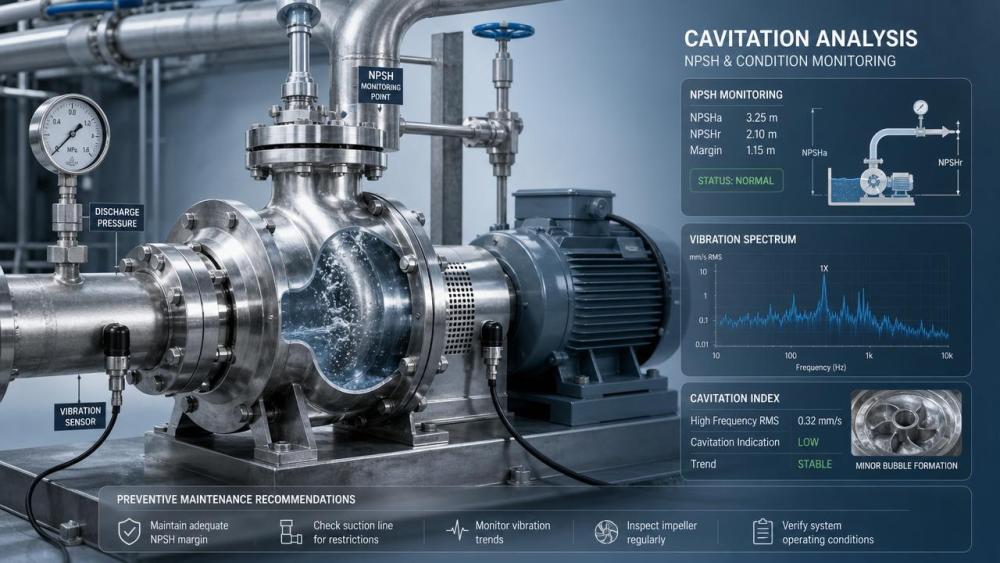
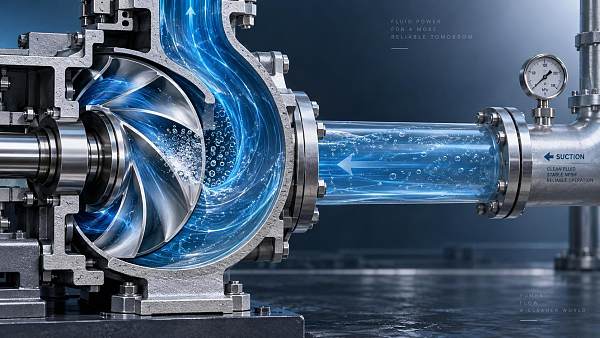
Pump cavitation analysis evaluates when local pressure inside a pump falls below the liquid vapor pressure. That pressure drop forms vapor bubbles. When pressure recovers, the bubbles collapse violently against metal surfaces.
This collapse creates noise, micro-jet impact, and material erosion. In chemical process pumps, damage can appear on impeller vanes, casing surfaces, wear rings, and mechanical seal faces.
Pump cavitation analysis matters because chemical applications often combine high temperatures, variable suction conditions, volatile fluids, and strict uptime requirements. These factors reduce operating margin and make cavitation easier to trigger.
It is not only a hydraulic issue. Cavitation can distort flow, increase shaft movement, and disturb control stability across connected valves, filters, and instrumentation in the wider fluid system.
Common forms seen during pump cavitation analysis
- Suction cavitation caused by insufficient NPSH available
- Recirculation cavitation near low-flow operation
- Vane-pass related cavitation from unstable hydraulic loading
- Transient cavitation during start-up, switching, or process upset
What operating signs usually indicate cavitation in chemical process pumps?
The earliest sign is often a change in sound. Operators may notice crackling, rattling, or a gravel-like noise near the suction side or pump casing.
Another warning is unstable performance. Flow may fluctuate, discharge pressure may drift, and the pump may fail to achieve its expected duty point.
Vibration trends are especially useful in pump cavitation analysis. Broadband vibration usually rises first. Later, bearing temperature, seal leakage, and coupling stress may also increase.
In chemical plants, product quality can even be affected. Sensitive dosing systems or heat-transfer loops may lose consistency when cavitation disrupts stable fluid delivery.
Typical field indicators
- Sudden noise increase at higher temperature
- Reduced pump head with normal motor speed
- Frequent seal failures or pitted impeller surfaces
- Unstable amperage or oscillating control valve behavior
How is pump cavitation analysis performed in a practical troubleshooting workflow?
A useful pump cavitation analysis begins with process data, not only with the pump nameplate. Suction pressure, liquid temperature, vapor pressure, elevation, and piping losses must be reviewed together.
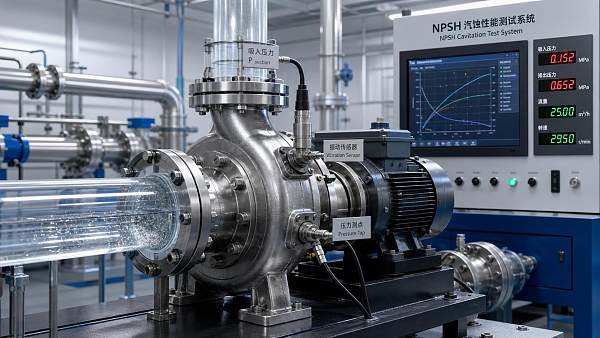
The next step compares NPSH available with NPSH required. A narrow margin is risky, especially for hot chemicals, variable tank levels, or fouled suction strainers.
Then, confirm the actual operating point on the pump curve. Many cavitation cases occur because the pump runs far from its best efficiency point.
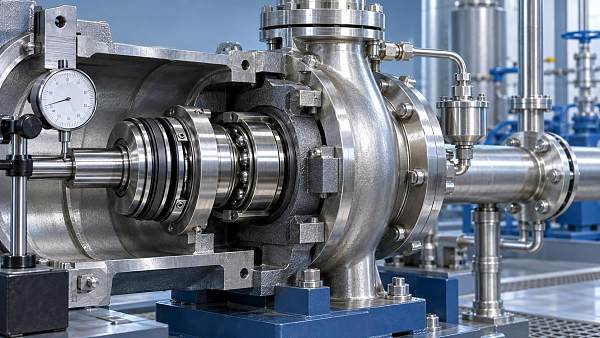
Mechanical checks are also important. Inspect impeller condition, wear ring clearance, seal chamber behavior, and suction piping layout. Air ingress and vapor pockets can imitate or worsen cavitation.
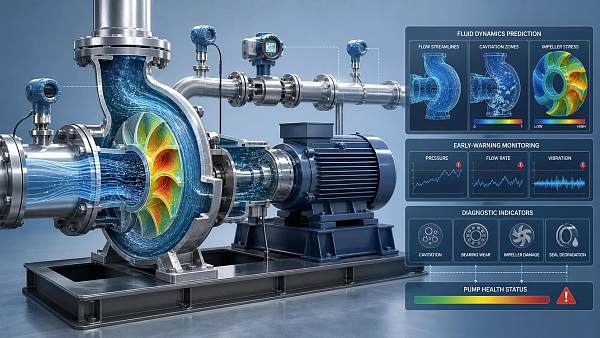
Advanced pump cavitation analysis often uses vibration spectra, pressure pulsation measurement, thermography, and CFD review. These tools help separate hydraulic cavitation from bearing faults or flow-induced resonance.
Recommended troubleshooting sequence
- Verify process conditions and recent operating changes
- Calculate NPSH margin under actual temperature
- Check suction piping restrictions and valve position
- Compare duty point with pump performance curve
- Inspect hardware for erosion, recirculation, or gas ingress
Which design and process factors most often trigger cavitation?
Insufficient suction head is the most common cause. Long suction lines, undersized pipe diameter, clogged filters, or excessive fittings all increase friction loss before the pump inlet.
Temperature is another major factor. As liquid temperature rises, vapor pressure rises too. This reduces the margin available for stable inlet pressure.
Fluid properties also matter in pump cavitation analysis. Hydrocarbons, solvents, corrosive chemicals, and slurry-containing media may behave differently from clean water assumptions.
Poor pump selection can create chronic problems. A pump oversized for the duty may run throttled and off-curve. A high-speed design may also be less forgiving under changing process conditions.
System interactions should not be ignored. Control valve hunting, tank level swings, unstable feed temperature, and upstream gas entrainment can all trigger recurring cavitation episodes.
Quick comparison table for pump cavitation analysis
How can pump cavitation analysis guide prevention and long-term optimization?
Prevention starts with design margin. Suction piping should be short, straight, and generously sized. Inlet reducers should be eccentric where needed, and unnecessary restrictions should be removed.
Pump selection should match the real operating envelope, not only the nominal duty. A stable best efficiency range is better than a theoretical point that looks attractive on paper.
Variable frequency drives can help when process flow changes significantly. Lowering speed often improves NPSH conditions and reduces the risk profile shown by pump cavitation analysis.
Materials and seal systems also influence outcomes. In corrosive chemical service, cavitation erosion combined with corrosion accelerates failure. Metallurgy and seal chamber design deserve equal attention.
Digital monitoring adds long-term value. Trend suction pressure, vibration, power draw, and temperature together. Predictive maintenance becomes much stronger when cavitation indicators are tracked as a system.
Prevention checklist
- Maintain adequate NPSH margin during all operating modes
- Keep the pump near its preferred efficiency range
- Review fluid temperature and vapor pressure regularly
- Use condition monitoring for early anomaly detection
- Reassess pump design after process modifications
What are the most common misconceptions in pump cavitation analysis?
One misconception is that noise alone confirms cavitation. Noise can also come from entrained gas, turbulence, bearing damage, or pipe vibration. Proper diagnosis needs process and mechanical evidence.
Another mistake is relying only on clean-water pump curves. Chemical liquids may have different vapor pressure, viscosity, density, and gas content, which changes real cavitation behavior.
A third misconception is assuming cavitation only happens at high flow. Low-flow recirculation can be just as destructive, especially in pumps forced to operate far left of BEP.
Finally, some teams treat cavitation as a pump-only issue. Effective pump cavitation analysis should include tanks, valves, filters, controls, and upstream process stability.
FAQ summary table
For chemical process reliability, pump cavitation analysis should be part of routine engineering review rather than a last-stage failure response. It connects hydraulic design, process stability, materials, and maintenance into one practical framework.
A disciplined pump cavitation analysis helps protect uptime, energy efficiency, and safety performance. The next step is to review real operating data, validate NPSH margin, and correct system conditions before visible damage appears.
Related News
 How fluid dynamics analysis helps size a chemical process pumpFluid Dynamics ScientistFluid dynamics analysis helps engineers size chemical process pumps for reliable flow, NPSH margin, efficiency, and safer long-term operation.
 How fluid dynamic cavitation analysis predicts pump erosion riskFluid Dynamics ScientistFluid dynamic cavitation analysis reveals pump erosion risks before costly damage occurs. Learn how CFD pinpoints vapor collapse zones, off-design threats, and effective mitigation.
 How to identify industrial pump parts causing repeated seal failuresFluid Dynamics ScientistIndustrial pump parts can reveal why seals fail repeatedly. Learn how to inspect sleeves, bearings, shafts, flush lines, and hydraulic conditions for lasting repairs.
 How to size plunger pumps for high pressure dosing accuratelyFluid Dynamics ScientistPlunger pumps for high pressure dosing: learn how to size flow, pressure, suction, pulsation control, and materials for accurate, reliable chemical injection.
 What drives centrifugal pump price differences for similar duty points?Fluid Dynamics ScientistCentrifugal pump price differences explained: compare efficiency, materials, seals, testing, and lifecycle costs to choose the right pump package.
 What Should EPC Buyers Check in Fluid Equipment Technical Specs?Fluid Dynamics ScientistWhat should an EPC buyer check in fluid equipment technical specs? Explore key checks for duty range, materials, efficiency, interfaces, compliance, and lifecycle reliability.
 How Can Chemical Dosing Costs Be Reduced in Industrial Wastewater Treatment?Fluid Dynamics ScientistHow to reduce chemical dosing cost in industrial wastewater treatment? Discover practical ways to optimize monitoring, mixing, controls, and chemical selection while protecting compliance.
 Which pump cavitation test methods best reveal NPSH margin?Fluid Dynamics ScientistPump cavitation test methods explained: compare NPSH3, vibration, acoustic emission, and endurance testing to verify real NPSH margin and prevent costly pump damage.
 How fluid separation process design affects product purity and yieldFluid Dynamics ScientistFluid separation process design directly impacts product purity and yield. Learn how better configuration, equipment choices, and control strategies improve performance.
 What drives process industry pumps price in corrosive duty applicationsFluid Dynamics ScientistProcess industry pumps price in corrosive duty depends on materials, seals, coatings, testing, and supplier support. Learn how to compare quotes, avoid hidden costs, and choose reliable lifecycle value.
 How Fluid Dynamics Predictive Analytics Improves Pump Failure ForecastingFluid Dynamics ScientistFluid dynamics predictive analytics helps forecast pump failures earlier by linking flow behavior to cavitation, wear, and damage—improving maintenance decisions and reducing downtime.
 What Pump System Technology Improves Energy Efficiency in Chemical Processing?Fluid Dynamics ScientistPump system technology for chemical processing starts with the real duty point. Learn how VFDs, hydraulic design, staging, and controls can cut energy use and improve reliability.