Chile Tests Pump Carbon and EPD Declarations




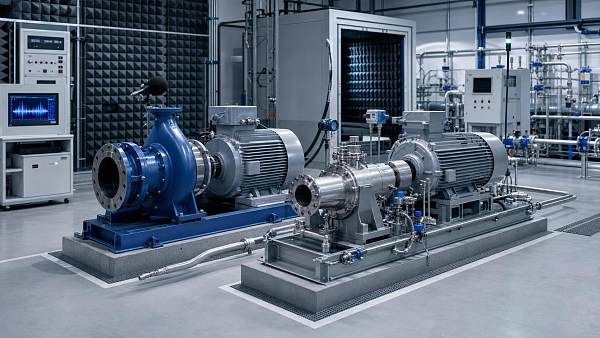
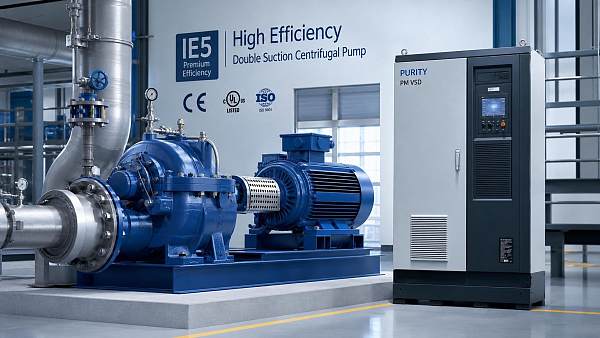
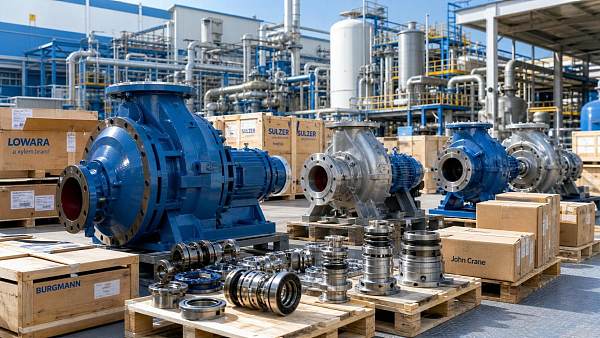
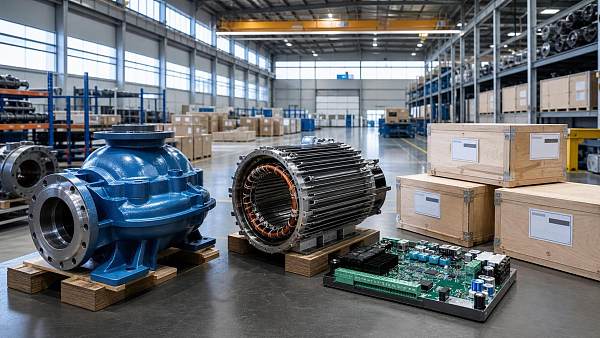
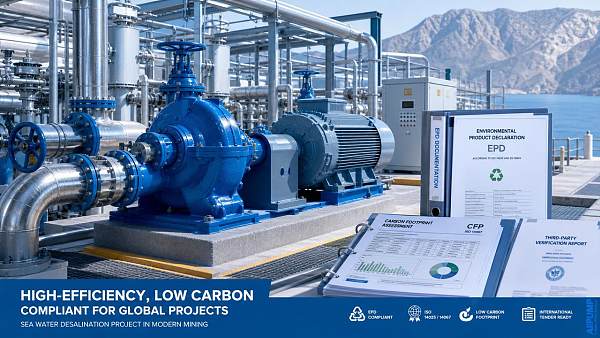
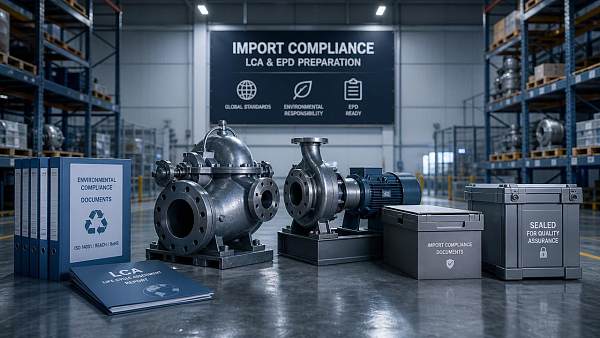
From June 1, 2026, Chile will begin a pilot requirement for mandatory LCA carbon footprint declarations on imported chemical process pumps, jointly issued by the Ministry of Energy and the Ministry of Environment. Because double-suction water pumps are often used as main pumps in chemical systems and are being treated under the same regulatory logic, exporters, importers, pump manufacturers, procurement teams, and supply chain documentation providers should pay close attention to the new EPD documentation expectations and their potential impact on customs clearance.
Event Overview
According to the available information, Chile’s Ministry of Energy and Ministry of Environment have jointly released a new rule. Starting on June 1, 2026, Chile will pilot mandatory LCA carbon footprint declarations for imported chemical process pumps.
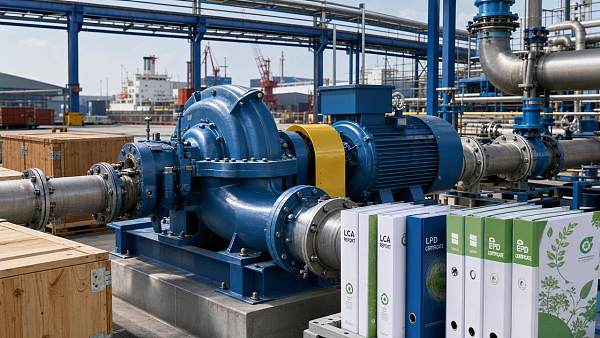
The current disclosed information also states that double-suction water pumps, when commonly used as main pumps in chemical systems, are included under the same regulatory logic. Chilean importers are now requiring suppliers to provide Environmental Product Declarations, or EPDs, aligned with ISO 14040/14044 and EN 15804. Without these documents, customs clearance applications may not be accepted by importers.
At present, the confirmed scope centers on imported chemical process pumps and double-suction water pumps connected with chemical system applications. Further implementation details remain subject to continued observation of official statements and actual import handling practices.
Which Industry Segments May Be Affected
Exporters and Direct Trade Companies
Exporters supplying chemical process pumps or double-suction water pumps to Chile may be directly affected because the importer-side documentation threshold has changed. The impact is mainly reflected in the need to prepare LCA carbon footprint declarations and EPD documents before shipment discussions or customs clearance arrangements move forward.
From an industry perspective, the issue is not limited to product performance or commercial quotation. Documentation readiness may become part of transaction acceptance, especially when Chilean importers require ISO 14040/14044 and EN 15804 alignment as a condition for processing imports.
Pump Manufacturers and Processing Enterprises
Manufacturers of chemical process pumps and double-suction water pumps may face new documentation demands from customers serving the Chilean market. This affects how product data, lifecycle assessment information, and environmental declaration materials are organized and provided.
Analysis shows that manufacturers may need to distinguish between ordinary technical documents and environmental product declaration documents. If an EPD is requested for customs-related acceptance, incomplete or non-standard documentation could become a practical barrier to order execution.
Procurement Teams in Chemical System Projects
Procurement teams purchasing pumps for chemical systems may also be affected when the final destination market is Chile. The reason is that double-suction water pumps, when used as main pumps in chemical systems, are being included under the same regulatory logic as chemical process pumps.
What currently deserves more attention is the product application scenario. A double-suction water pump may not be assessed only by its general product name; its use as a main pump in a chemical system may trigger importer requests for EPD documentation.
Importers, Channel Operators, and Distributors
Chilean importers and channel operators are likely to be the first to face clearance-related document checks because they are responsible for accepting supplier materials and arranging import procedures. The available information indicates that importers will not accept customs clearance handling if compliant EPD documents are not provided.
Observably, this may require importers and distributors to adjust supplier screening, order confirmation, and pre-shipment document review processes. The key impact is the shift from post-order documentation collection to earlier-stage compliance verification.
Supply Chain and Compliance Documentation Service Providers
Service providers involved in supply chain documentation, export compliance support, or environmental declaration preparation may see increased attention from companies exporting to Chile. This is because the rule refers to LCA carbon footprint declarations and EPD documents aligned with specific international standards.
From an industry perspective, the practical need is not general environmental messaging, but document preparation that can support importer acceptance under the stated requirements.
What Companies Should Watch and How to Respond
Track Further Official Wording and Implementation Details
Companies should continue monitoring statements from Chile’s Ministry of Energy and Ministry of Environment, especially any clarification on covered product categories, document format, pilot enforcement procedures, and customs-related acceptance requirements.
It is more appropriate to understand this as a pilot rule with immediate documentation implications rather than a fully clarified long-term compliance framework. Businesses should avoid assuming details that have not yet been publicly confirmed.
Identify Whether Key Products Fall Under the Stated Scope
Exporters and manufacturers should review whether their products are chemical process pumps or double-suction water pumps used as main pumps in chemical systems. This distinction matters because the available information specifically connects double-suction water pumps to the same regulatory logic when used in chemical systems.
Practical preparation should begin with product classification, application confirmation, and customer communication. Suppliers should ask Chilean importers whether the product is expected to require an EPD before shipment arrangements are finalized.
Prepare EPD and LCA-Related Documents Before Shipment
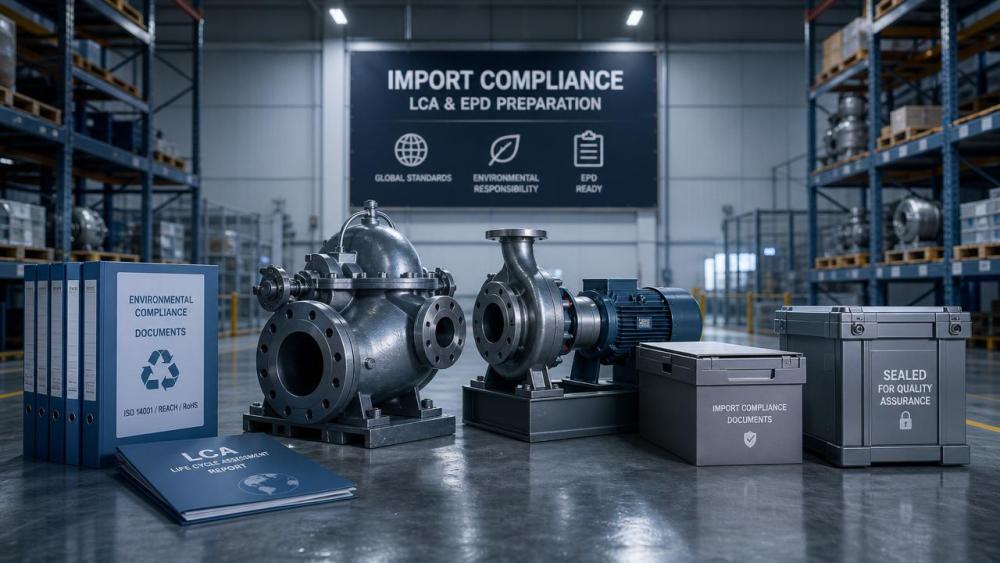
Companies serving the Chilean market should check whether they can provide EPD documents aligned with ISO 14040/14044 and EN 15804. They should also confirm whether LCA carbon footprint declaration materials are available for the imported pump products concerned.
Analysis shows that late-stage document preparation could create delays if importers refuse to accept customs clearance without the required declaration package. A more practical approach is to include documentation readiness in quotation, contract review, and pre-shipment checklists.
Separate Policy Signals From Business Execution Risks
The rule is described as a pilot for imported chemical process pumps, but the importer requirement for EPD documents creates an immediate business execution issue for suppliers. Companies should therefore treat the policy signal and the transaction-level document requirement separately.
What currently deserves more attention is the importer acceptance threshold. Even where further official details are still being observed, an importer’s refusal to process clearance without EPD documentation can already affect order delivery timelines.
Editor’s View / Industry Observation
Observably, this development indicates that environmental documentation is becoming more closely connected with pump import procedures in Chile, at least for chemical process pumps and related double-suction water pump applications in chemical systems.
Analysis shows that the current development is both a regulatory signal and a practical trade documentation issue. It is a signal because the rule is described as a pilot starting on June 1, 2026. It is also practical because Chilean importers are already requiring EPD documents aligned with ISO 14040/14044 and EN 15804 as part of their clearance acceptance process.
From an industry perspective, companies should not view this only as an environmental compliance topic. It may influence supplier qualification, order timing, document preparation, and communication between exporters and Chilean importers.
Conclusion
The Chilean pilot requirement for LCA carbon footprint declarations on imported chemical process pumps, together with importer requests for EPDs on double-suction water pumps used in chemical systems, gives the pump export supply chain a clear reason to review documentation readiness.
It is more appropriate to understand this development as an early compliance and trade execution signal rather than as a complete industry-wide conclusion. Companies involved in pump manufacturing, export, procurement, import, and supply chain documentation should continue monitoring official updates while preparing practical EPD and LCA-related materials for Chile-bound business.
Information Source Statement
Main sources: Chile Ministry of Energy; Chile Ministry of Environment; publicly provided event summary dated June 1, 2026.
Items requiring continued observation: further official clarification on product coverage, pilot implementation procedures, customs clearance handling, and detailed documentation acceptance requirements for chemical process pumps and double-suction water pumps.
Related News
 EU Pump Eco-Design Rules Tighten for 2027Fluid Dynamics ScientistEU pump eco-design rules tighten for 2027, raising IE4 efficiency, noise, digital twin, and CE+UKCA demands. Learn how suppliers can prepare fast and stay market-ready.
 NEA Fast-Track Adds IE5 Double Suction PumpsFluid Dynamics ScientistNEA Fast-Track adds IE5 double suction pumps with PM VSD drives, unlocking 40% capital grants and faster PUB tender approval. See what manufacturers and distributors should do now.
 Industrial Pump Sets: Common Sizing Mistakes to AvoidFluid Dynamics ScientistIndustrial pump sets often fail from oversizing, undersizing, or bad duty assumptions. Learn the most common sizing mistakes to avoid for better efficiency, reliability, and lifecycle cost.
 Brazil Cuts Import Duties on Pump ProductsFluid Dynamics ScientistBrazil Cuts Import Duties on Pump Products from July 1, 2026. Learn how lower tariffs on centrifugal pumps and chemical pump parts may impact pricing, sourcing, and exports to Brazil.
 Brazil Cuts Import Duty on Pumps and PartsFluid Dynamics ScientistBrazil cuts import duty on pumps and parts, lowering tariffs from 14% to 6% for key HS categories. See what it means for sourcing costs, project delivery, and import strategy.
 Brazil Cuts Import Duties on Key Pump and Compressor PartsFluid Dynamics ScientistBrazil cuts import duties on key pump and compressor parts from 12% to 6% effective July 1, 2026. See how this policy may reshape sourcing, pricing, and supply chain planning in Brazil.
 Bangladesh Unveils $320M Water Treatment Tender ListFluid Dynamics ScientistBangladesh Unveils $320M Water Treatment Tender List: explore the 2026–2027 procurement plan, key equipment standards, compliance rules, and supplier opportunities in municipal water projects.
![]() CBP Tightens UFLPA Traceability for Double Suction PumpsFluid Dynamics ScientistCBP Tightens UFLPA Traceability for Double Suction Pumps: learn how new four-tier records for cast blanks, bearings, seals, and assembly may reshape import compliance and delivery risk.
CBP Tightens UFLPA Traceability for Double Suction PumpsFluid Dynamics ScientistCBP Tightens UFLPA Traceability for Double Suction Pumps: learn how new four-tier records for cast blanks, bearings, seals, and assembly may reshape import compliance and delivery risk. Chile to Pilot LCA Pump Declarations From JuneFluid Dynamics ScientistChile to Pilot LCA Pump Declarations From June: learn how Double Suction Water Pumps exporters can prepare LCA reports and verified EPDs early to avoid customs delays and protect Chile orders.
 Chile to Pilot Mandatory Pump Carbon Footprint DeclarationsFluid Dynamics ScientistChile to Pilot Mandatory Pump Carbon Footprint Declarations: learn how verified EPDs will affect chemical process pump and double-suction pump exports, EPC bids, and Chile project access.
![]() Chile Pilots Pump Carbon Disclosure RulesFluid Dynamics ScientistChile pilots pump carbon disclosure rules from June 2026, requiring EPDs for Chemical Process Pumps and Double Suction Water Pumps in mining and water projects. See who is affected and how to stay tender-ready.
Chile Pilots Pump Carbon Disclosure RulesFluid Dynamics ScientistChile pilots pump carbon disclosure rules from June 2026, requiring EPDs for Chemical Process Pumps and Double Suction Water Pumps in mining and water projects. See who is affected and how to stay tender-ready. Chile Tests Pump Carbon and EPD DeclarationsFluid Dynamics ScientistChile tests pump carbon and EPD declarations for imported chemical process pumps. Learn compliance impacts, LCA requirements, and how exporters can prepare for 2026 customs risks.