Valve Positioner Design Mistakes That Hurt Control Accuracy




Even a high-performance control valve can miss its target when valve positioner design is treated as an afterthought. In real plants, accuracy problems rarely begin with one dramatic failure. They usually start with subtle design gaps: an undersized air path, poor feedback geometry, wrong gain settings, weak mounting stiffness, or neglected environmental protection. Over time, those choices show up as drift, hunting, dead band, delayed stroking, and unstable loop performance. This article explains the most common mistakes in valve positioner design, why they damage control accuracy, and what should be checked before field issues become chronic maintenance work.
What does valve positioner design really control in valve accuracy?
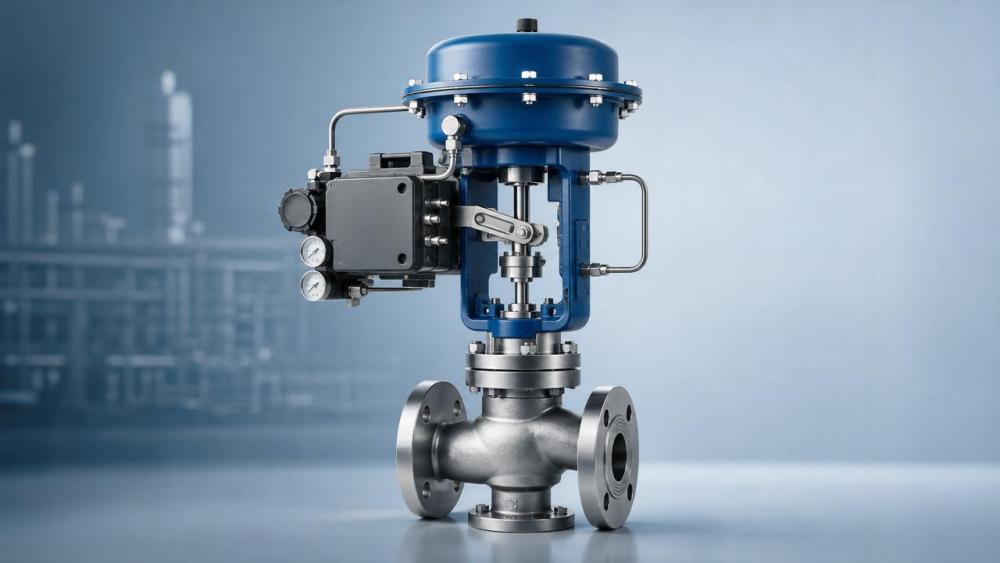
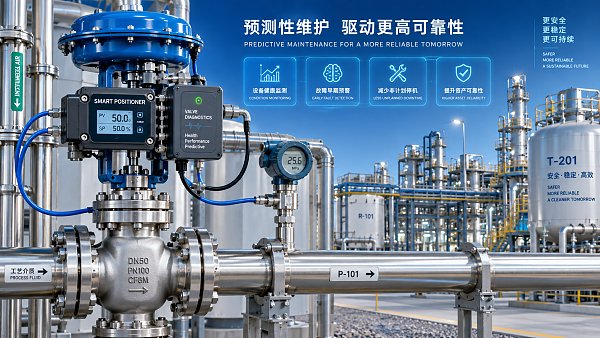
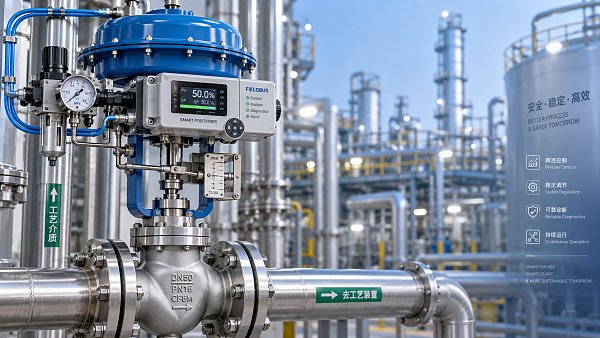
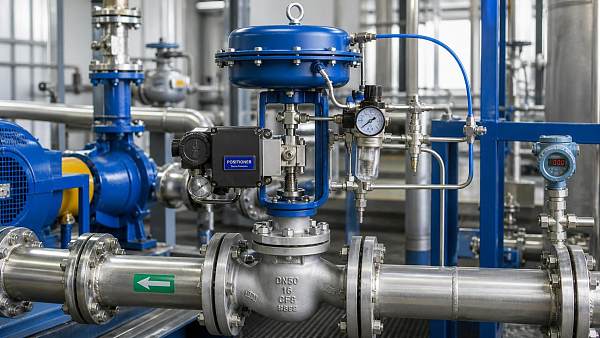
At its core, valve positioner design determines how faithfully a control signal becomes actual valve travel. A positioner compares the input signal with stem or shaft feedback and adjusts actuator pressure until both match. If the design is well matched to the valve, actuator, process load, and installation environment, the valve moves quickly and settles precisely. If not, the valve may still move, but not in a stable or repeatable way.
This is why two valves with the same body and trim can behave very differently in service. The positioner is not only an accessory. It is the control interface that shapes sensitivity, response speed, hysteresis, air consumption, and resistance to disturbances such as friction, vibration, and pressure fluctuations. In severe service applications involving corrosive media, high differential pressure, or frequent throttling, poor valve positioner design often becomes the hidden reason the whole loop underperforms.
A practical way to think about it is simple: the valve trim creates the flow characteristic, but the positioner determines whether the valve can actually hold the commanded opening under real operating conditions.
Which valve positioner design mistakes most often cause hunting and drift?
The most common mistakes are not exotic. They are basic mismatches between dynamic requirements and actual hardware behavior. One frequent error is excessive loop gain. When valve positioner design uses aggressive tuning to force fast travel, the actuator can overshoot the target, then reverse, then overshoot again. What appears in the field as “valve instability” is often self-induced oscillation from poor internal tuning.
Another mistake is ignoring friction and backlash. If the stem packing is too tight, the linkage is loose, or the rotary shaft connection has play, the positioner must overcome a larger breakaway force before movement starts. The result is stick-slip behavior: no motion, then sudden motion, then overcorrection. This is especially damaging in low-opening regions where fine throttling is needed.
A third issue is poor feedback geometry. In rotary control valves, the feedback arm and cam relationship must reflect actual shaft motion. If the geometry is non-linear in the wrong way, the positioner may be accurate near mid-stroke but inaccurate near closed or near open. This creates calibration errors that are easy to miss during short bench tests but obvious during process transitions.
Supply air instability also causes drift. A well-designed positioner cannot compensate for wet, dirty, or pressure-starved instrument air forever. Contaminated nozzles, sticky pilot components, and slow relay action often begin upstream. Good valve positioner design therefore includes realistic assumptions about air quality, filtration, and pressure margin, not just nominal datasheet values.
- Overtuned gain that creates oscillation instead of fast settling
- Backlash, linkage looseness, or shaft play that enlarges dead band
- Packing friction or actuator seal friction that causes stick-slip
- Incorrect cam or feedback lever geometry on rotary valves
- Insufficient or contaminated supply air that slows pressure modulation
How does poor matching between actuator and positioner hurt control accuracy?
One of the most overlooked parts of valve positioner design is actuator matching. The positioner may be technically functional, yet still unsuitable for the actuator volume, spring range, diaphragm size, piston dynamics, or fail action. If the internal relay capacity is too small for a large actuator, the valve strokes slowly and lags behind process changes. If it is too aggressive for a small, low-friction actuator, the motion can become nervous and unstable.
Bench range and spring selection matter as well. A spring that is too stiff relative to expected signal resolution can reduce sensitivity in the lower part of the stroke. In throttling applications such as steam pressure control, cooling water regulation, or compressor recycle service, this reduced sensitivity directly harms loop stability. The controller keeps asking for small corrections, but the valve does not react smoothly enough to deliver them.
Mounting stiffness is another hidden variable. If the bracket flexes under vibration or actuator thrust, the feedback signal no longer represents true stem travel. In that case, the positioner may think the valve moved farther than it really did, or vice versa. This is not a software problem; it is a mechanical design problem. Robust valve positioner design must treat mounting hardware as part of the measurement system, not just an installation accessory.
Quick check for actuator-positioner compatibility
Why do environmental and installation details matter so much?
Many control accuracy complaints are traced not to the valve trim, but to installation conditions never considered in the original valve positioner design. Temperature swings can shift elastomer behavior, alter pneumatic responsiveness, and accelerate condensation inside air lines. Vibration from pumps, compressors, or piping resonance can shake linkages loose or corrupt internal sensing. Corrosive atmospheres can attack exposed feedback parts long before the main valve body shows damage.
Tubing layout also matters. Long, narrow, or poorly routed pneumatic lines add delay and damping. That may sound harmless, but in fast loops it changes the effective response of the entire assembly. Similarly, improper vent orientation can let water or dust enter the housing. Once internal contamination begins, zero stability and repeatability deteriorate gradually.
Digital smart positioners reduce some mechanical limitations, but they do not eliminate environmental physics. They still depend on clean air, stable feedback, proper grounding, and correct setup. In industrial fluid systems, especially where pumps, compressors, and control valves operate together, environmental robustness is not optional. It is part of sound valve positioner design.
How can calibration and tuning mistakes create false “hardware failures”?
A surprising number of suspected hardware problems come from poor setup. If zero and span are calibrated without accounting for actual shutoff load, seat friction, or process differential pressure, the valve may appear accurate on the bench but unstable in service. This is common after maintenance when calibration is done with the valve isolated and unloaded.
Auto-tuning is useful, but it should not be treated as a universal cure. Some valve assemblies need manual adjustment of gain, damping, characterization, or travel cutoffs. A positioner tuned for speed in a clean water loop may be far too aggressive in a flashing liquid or compressible gas service. In other words, tuning must reflect process reality, not just actuator motion.
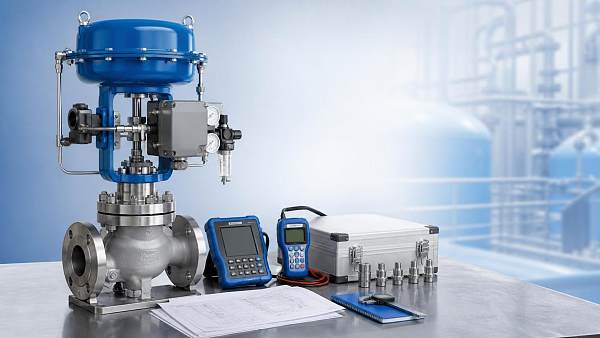
It is also risky to ignore diagnostics. Modern devices can reveal friction growth, excessive reversals, travel deviation, and air consumption trends. These indicators help separate a true positioner defect from deeper issues such as valve cavitation damage, actuator wear, or changing process loads. Good valve positioner design should be paired with a diagnostic review routine, otherwise useful warning signals are wasted.
FAQ summary table: common symptoms and likely design causes
What should be reviewed before design mistakes become recurring field problems?
A practical review should combine mechanical, pneumatic, and control checks. First, confirm that the valve and actuator move freely through the full stroke under realistic load conditions. Second, verify that the valve positioner design matches actuator volume, spring range, and response target. Third, inspect feedback alignment, linkage stiffness, and bracket rigidity. Fourth, check instrument air quality, regulator stability, and tubing arrangement. Finally, review tuning values and diagnostic trends instead of relying only on one-time calibration.
It also helps to document where control accuracy matters most. A valve used mainly for isolation may tolerate slower response and wider dead band. A throttling valve in flow, pressure, level, anti-surge, or temperature control cannot. The required precision should drive the design review depth. This keeps maintenance effort focused on valves where poor valve positioner design has the highest process and energy cost.
In complex fluid systems, stable control is never the result of one component alone. It depends on the interaction among valve trim, actuator force, positioner behavior, air supply, piping dynamics, and process conditions. Treating positioner design as a strategic part of the valve package—not a small accessory—greatly reduces repeat interventions and improves lifecycle performance.
The next step is straightforward: review the installed valve assemblies that show repeated hunting, drift, or sluggish travel, and compare their symptoms against the design checkpoints above. That simple audit often reveals whether the real problem is calibration, air quality, actuator mismatch, or a deeper valve positioner design flaw that should be corrected before the next shutdown window closes.
Related News
 How fluid control digitalization improves valve maintenance planningProcess Control ArchitectFluid control digitalization helps teams prioritize valve maintenance, reduce unplanned downtime, and improve reliability with actionable condition data.
 How smart valve positioners improve process control valve accuracyProcess Control ArchitectDiscover how smart positioners improve process control valve accuracy, reduce friction-related errors, enhance stability, and enable predictive maintenance.
 How to evaluate a valve automation supplier before placing an orderProcess Control ArchitectChoose a valve automation supplier with confidence. Learn how to assess engineering capability, compatibility, testing, lead times, and lifecycle support before ordering.
 How Does Industrial Automation Change Valve Specification Requirements?Process Control ArchitectHow does industrial automation change valve specification needs? Discover smarter sizing, diagnostics, protocols, fail-safe design, and lifecycle strategies for reliable control.
 Retrofit vs replacement automation: which option minimizes downtime?Process Control ArchitectRetrofit vs replacement automation: compare downtime, integration risk, lifecycle costs, and phased execution to protect uptime and modernize with confidence.
 When smart pneumatic control valves improve water treatment stabilityProcess Control ArchitectSmart pneumatic control valves for water treatment improve flow precision, dosing consistency, diagnostics, and plant stability. Learn how to select the right solution.
 When predictive maintenance for process valves pays off in plant operationsProcess Control ArchitectPredictive maintenance for process valves can cut downtime, reduce energy loss, and boost reliability. Learn when it pays off in plant operations—and how to justify the investment.
 Revised EN 14382:2026 Adds EMC Immunity Test for Smart Valve Positioners in EU ExportsProcess Control ArchitectEN 14382:2026 now mandates EMC immunity testing for Smart Valve Positioners, reshaping EU export compliance for valve OEMs and integrators. Learn what changed and how to prepare.
 FDA Tightens Import Rules for Smart Valve PositionersProcess Control ArchitectSmart valve positioners now face stricter FDA import rules. Learn how IEC 61508 SIL2 or UL 61508 documentation affects U.S. clearance, suppliers, and compliance planning.
 EN 14382:2026 Raises EU Entry Bar for Smart PositionersProcess Control ArchitectEN 14382:2026 raises the EU entry bar for Smart Valve Positioners with a 150 ms step response cap and IEC 62443-4-2 cybersecurity checks. Learn what exporters, buyers, and compliance teams must do before Nov 1, 2026.
 High-Precision Stainless Steel Control Valves for Corrosive Process LinesProcess Control ArchitectHigh-precision control valves stainless steel solutions improve corrosion resistance, flow stability, and safety in demanding process lines. Discover how to reduce downtime and boost control accuracy.
 How a Valve Performance Consultant Improves Uptime and Control AccuracyProcess Control ArchitectValve performance consultant insights to improve uptime, control accuracy, and energy efficiency. Learn how targeted diagnostics solve hidden valve issues across process systems.