Titanium Spike Exposes SWRO Pump Supply Risks




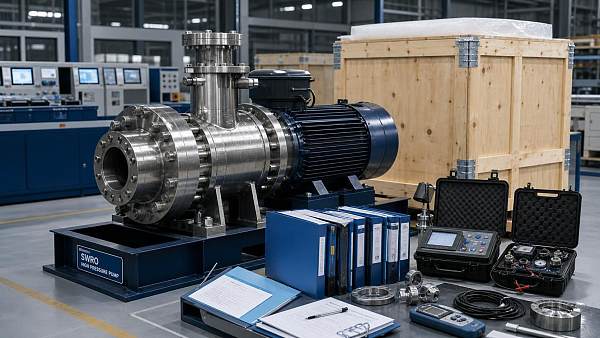
The timing of the event is not specified in the source text, but the latest market signal is clear: a sharp rise in titanium sponge pricing, alongside extended lead times for titanium-alloy forgings used in SWRO high-pressure pumps, is now affecting delivery expectations across the supply chain. For companies involved in sourcing, manufacturing, exporting, quality documentation, and project delivery, the issue is no longer only a raw-material price move; it also reflects how environmental upgrade requirements and supply-side constraints can feed directly into procurement terms, production scheduling, and contract execution.
What the Current Market Signal Confirms
According to CRU Group’s 2026-07-05 Metals Monitor, titanium sponge prices reached $38.2/kg on an FOB China basis, representing a 22% month-on-month increase. The stated drivers were stronger demand from Japanese and Korean SWRO pump OEMs and constrained output from Chinese smelters that are undergoing environmental upgrades.
The same source states that lead times for titanium-alloy forged components have now moved beyond 28 weeks. This has directly affected delivery schedules for SWRO high-pressure pumps in global markets.
Where the Pressure Is Likely to Be Felt First
Procurement terms are becoming more exposed
From an industry perspective, buyers of titanium-bearing pump components may face more pressure in quotation validity, raw-material pass-through terms, and delivery commitment reviews. The immediate effect is likely to appear in sourcing negotiations and purchase-order timing, especially where forged titanium-alloy parts are critical to final assembly.
What deserves closer attention is whether procurement documents, technical schedules, and contract milestones still match real supply conditions. Even without a newly published regulation in the input, the environmental upgrade factor in upstream smelting suggests that compliance-related production changes are already influencing commercial execution.
Manufacturing and assembly planning may need revision
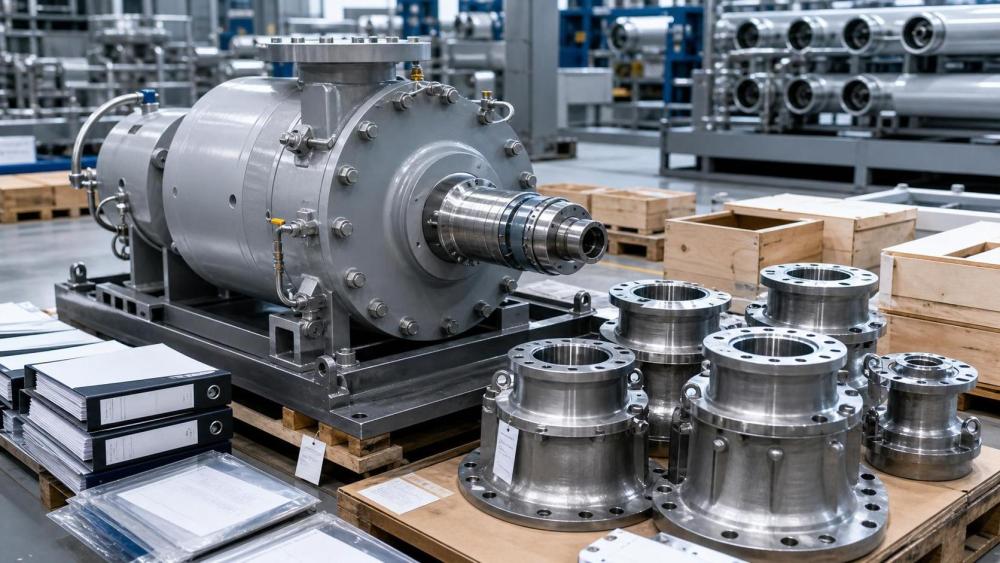
For equipment manufacturers and component processors, the main impact is likely to fall on production sequencing, backlog management, and promised shipment windows. When forging lead times exceed 28 weeks, production plans tied to fixed assembly dates or export schedules may become harder to maintain.
Analysis shows that manufacturers should pay closer attention to specification alignment, substitute approval pathways where contractually permitted, and the completeness of technical documentation linked to titanium-alloy parts. Where no substitution is allowed, schedule risk becomes more concentrated around approved material routes and qualified forging supply.
Trade and project delivery teams face a documentation risk, not only a timing risk
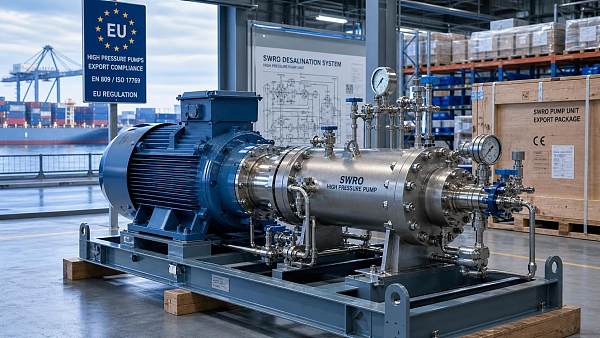
For exporters, distributors, and project execution teams, the issue is not limited to late shipment. Delayed forged components can also affect document timing tied to inspections, customer approvals, packing schedules, and after-sales commitments. In practical terms, teams may need to recheck whether delivery promises, milestone notices, and shipment-supporting records remain consistent with current upstream lead times.
Observably, this matters most in transactions where pump delivery is linked to downstream installation or commissioning windows. In such cases, supply delays can become a contract-management issue as much as a logistics issue.
What Companies Should Review Now
Recheck material traceability and technical file completeness
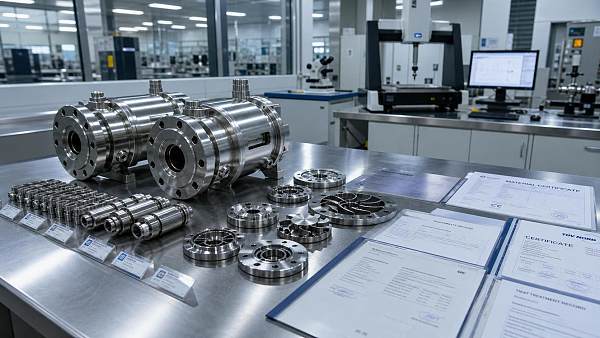
Analysis shows that firms handling titanium-alloy pump parts should review whether material certificates, inspection records, and technical files can still be assembled in line with actual sourcing and production timing. Where lead times stretch, document readiness often becomes a secondary bottleneck.
Watch for changes in tender language and delivery assumptions
What deserves closer attention is whether new tenders, bid clarifications, or customer specifications begin to reflect longer procurement cycles for forged titanium components. The input does not confirm any formal change in tender rules, so this should be treated as a point for continued monitoring rather than an established market-wide shift.
Review supplier qualification exposure
From an industry perspective, companies should assess how dependent they are on individual smelters, forging routes, or approved suppliers. Because the source text links supply constraint to environmental upgrades at Chinese smelters, businesses may need to verify whether existing approved-vendor structures are still sufficient for delivery commitments.
Prepare for more cautious delivery commitments
Observably, firms involved in quoting, order confirmation, and project scheduling should be careful with delivery language that assumes historical lead times. The information provided does not establish a new official trade rule, but it does indicate that compliance-driven upstream capacity constraints are already affecting downstream execution.
Why This Looks More Like an Execution Signal Than a Standalone Price Story
Analysis shows that this development is better understood as an execution signal at the intersection of compliance-driven supply adjustment and demand concentration in a specialized equipment segment. The notable point is not only that titanium sponge became more expensive, but that environmental upgrade activity at the smelter level is now visible in the delivery performance of finished SWRO high-pressure pumps.
It is more appropriate to understand this as an already felt market constraint rather than a fully defined rule change with complete implementation detail. At the same time, it still requires further observation because the source text does not provide formal regulatory wording, enforcement scope, or downstream procurement revisions.
How the Market Should Read This Stage
At this stage, the event should be read as a concrete warning that compliance-related supply adjustments upstream can quickly move into pricing, forging availability, and pump delivery risk downstream. The confirmed facts are limited but commercially meaningful: higher titanium sponge prices, smelter output constraints during environmental upgrades, and forged-component lead times beyond 28 weeks.
A neutral reading is therefore the most appropriate. This is neither just a short-term spot-price story nor enough on its own to prove a settled new industry rulebook. It is a strong indication that procurement, delivery planning, and documentation discipline now deserve closer review across the SWRO pump chain.
Basis of This Article and What Still Needs Verification
This article is generated based on the user-provided news title, event timing, and event summary. The specific official source link was not provided in the input, so further verification remains necessary. For developments of this type, relevant source categories often include official announcements, regulator releases, customs or trade authority information, industry association updates, standards organization documents, and reporting by authoritative industry media.
Further observation is still needed on any detailed policy interpretation, certification practice, tender-document changes, market feedback, and how companies are adjusting execution in response to the longer lead times and tighter titanium supply conditions.
Related News
 Are High-Pressure Plunger Pumps Suitable for Seawater RO Pretreatment?High-Pressure Flow ExpertAre high-pressure plunger pumps suitable for seawater RO pretreatment? Explore key risks, ideal applications, and smarter SWRO pump selection guidance.
 China-UAE Direct Sea Route Cuts Transit Time for SWRO High-Pressure Pump ExportsHigh-Pressure Flow ExpertChina-UAE direct sea route cuts SWRO high-pressure pump transit to under 24 days, improving delivery reliability for UAE, Africa, and South Asia water treatment projects.
 China Expands Cross-Border RMB and FX Cash Pooling Nationwide for MultinationalsHigh-Pressure Flow ExpertChina expands cross-border RMB and FX cash pooling nationwide, signaling smoother multi-currency settlements for multinationals. See what it means for exporters, supply chains, and payment efficiency.
 China’s Helium Export Ban Puts SWRO Pump Supply Under StrainHigh-Pressure Flow ExpertChina’s helium export ban is straining SWRO pump supply, delaying calibration, compliance, and delivery. Discover what this means for exporters and buyers.
 EU PPWR Takes Effect for SWRO Pump PackagingHigh-Pressure Flow ExpertEU PPWR takes effect for SWRO pump packaging, putting exporters, importers, and suppliers under stricter EU compliance on heavy metals and PFAS. See what changes now.
 EU PPWR Now in Force for SWRO Pump PackagingHigh-Pressure Flow ExpertEU PPWR now in force for SWRO pump packaging: learn how new heavy metal and PFAS compliance rules affect exports, customs clearance, and shipment readiness to Europe.
 EU Enforces Dual Certification for SWRO PumpsHigh-Pressure Flow ExpertEU Enforces Dual Certification for SWRO Pumps: learn how EN 16485:2026 impacts CE validity, customs clearance, and EU market access for exporters and distributors.
 What Drives Seawater Reverse Osmosis Energy Consumption in Plant Design?High-Pressure Flow ExpertSeawater reverse osmosis energy consumption in plant design depends on salinity, recovery, pumps, pretreatment, and ERDs. Learn what truly cuts power use and boosts SWRO efficiency.
 EU Rule Starts for SWRO Pump Energy CertificationHigh-Pressure Flow ExpertEU Rule Starts for SWRO Pump Energy Certification: learn how ErP testing, MEI ≥ 0.82, and digital energy label filing now affect EU imports, customs clearance, and delivery planning.
 EU Rule Takes Effect for SWRO High-Pressure PumpsHigh-Pressure Flow ExpertEU Rule Takes Effect for SWRO High-Pressure Pumps: Learn how EN 16485:2026 impacts compliance, IE4 verification, corrosion testing, and export access across EU and MENA markets.
 EU Revises EN 14895 for SWRO High-Pressure PumpsHigh-Pressure Flow ExpertEU Revises EN 14895 for SWRO High-Pressure Pumps: discover how the 2026 rule change impacts CE marking, EU market access, certification, and tender readiness for exporters.
 EN 13445-4:2026 Takes Effect for SWRO Pressure PartsHigh-Pressure Flow ExpertEN 13445-4:2026 now affects SWRO pressure parts, adding full-life-cycle traceability to CE compliance. See what exporters, suppliers, and project teams must review now.