EU Tightens Screening for Key Fluid Equipment




On June 1, 2026, the EU’s strengthened FDI Screening mechanism formally took effect, and the related guidance newly placed high-reliability, leak-free fluid transfer systems—including magnetic drive pumps, SWRO high-pressure pumps, and chemical process pumps—within the scope of strategic infrastructure-related technologies. For exporters shipping such equipment into Europe, especially those serving industrial procurement and project delivery chains, the development deserves attention because it points to deeper due diligence and a higher likelihood of timing pressure around compliance review and shipment planning.
What the new screening framework now covers
The confirmed change is that the reinforced EU foreign investment screening regime became effective on June 1, 2026. The rule explicitly identifies semiconductors, artificial intelligence, critical raw materials, and financial services as fields subject to mandatory review.
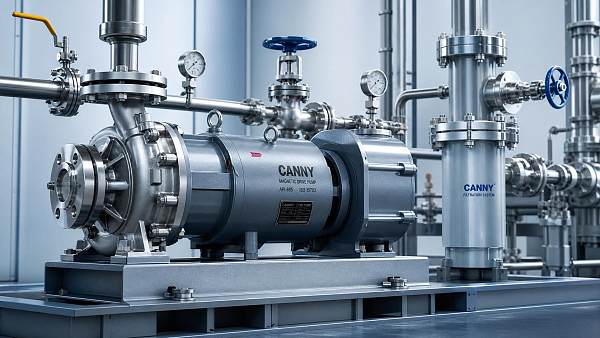
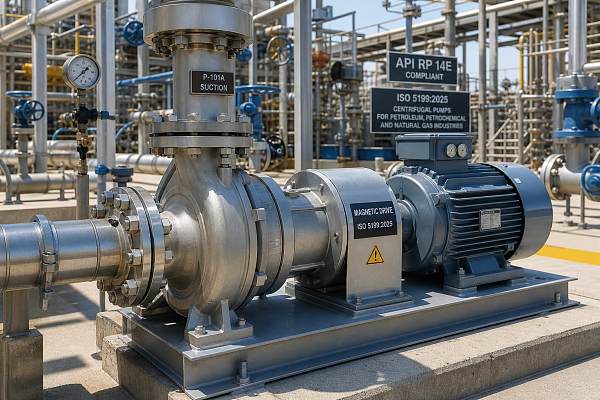
The accompanying guidance also, for the first time, includes high-reliability leak-free fluid transport systems in the list of technologies associated with strategic infrastructure. The scope described in the input includes magnetic drive pumps, SWRO high-pressure pumps, and chemical process pumps.
The event summary further states that this adjustment will directly affect the depth of due diligence and delivery timelines for Chinese companies exporting to Europe.
Where the pressure is likely to appear first
Export transactions may face more front-end review
From an industry perspective, exporters of covered pump and fluid-handling equipment may be affected because the products are now linked more directly to strategic infrastructure-related technology review. The practical impact is likely to appear earlier in the transaction cycle, especially in customer screening, technical documentation preparation, transaction review, and shipment scheduling.
What deserves closer attention is whether buyers, intermediaries, or project stakeholders ask for more complete supporting materials before purchase confirmation. That may include fuller product descriptions, end-use explanations, supply-chain background information, and supporting technical files tied to the equipment category under review.
Procurement teams may adjust sourcing and lead-time assumptions
For procurement-side participants, the rule change matters because screening-related review can affect delivery certainty even when the product itself is technically qualified. Analysis shows that sourcing teams may need to factor in longer internal review windows, stricter supplier background checks, and more conservative scheduling for projects involving strategic or infrastructure-linked applications.
In practice, buyers and sourcing managers should pay attention to whether tender documents, technical bid alignment, and supplier qualification files begin to reflect heightened scrutiny for these equipment categories.
Supply-chain service providers may see added document coordination work
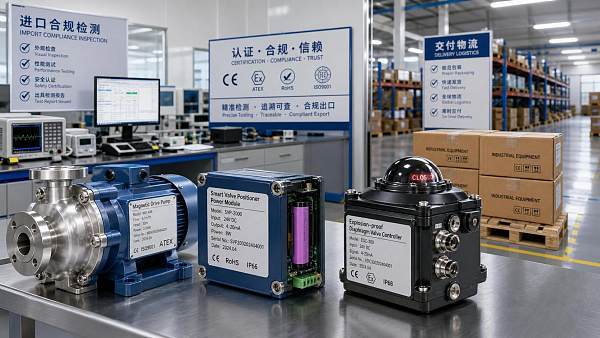
Observably, logistics coordinators, trade compliance teams, and related service providers may be affected not because the rule directly changes physical product specifications, but because it can increase the amount of documentation and verification surrounding cross-border delivery. The main business impact may fall on document consistency, transaction traceability, and communication between exporter, buyer, and service partners when review depth increases.
Practical points companies should follow now
Prepare technical and transaction files more carefully
Analysis shows that companies dealing in magnetic drive pumps, SWRO high-pressure pumps, and chemical process pumps should pay closer attention to the completeness and consistency of technical files, product descriptions, and transaction-related supporting materials. Since the input does not provide detailed enforcement procedures, this is more appropriately treated as a preparation priority rather than a confirmed checklist.
Watch for changes in review language and compliance expectations
What deserves closer attention is not only the rule taking effect, but also how the new classification may appear in later compliance communication, buyer questionnaires, and review requests. Companies should monitor whether wording around strategic infrastructure relevance becomes more prominent in actual business exchanges.
Reassess delivery planning and procurement coordination
Because the event summary explicitly mentions deeper due diligence and possible effects on delivery cycles, exporters and project teams should review whether existing lead-time assumptions remain realistic. This is especially relevant where delivery commitments depend on synchronized procurement, manufacturing, and shipping milestones.
Keep after-sales and traceability support ready
From an industry perspective, tighter scrutiny can also raise expectations around traceability and downstream support. Even without confirmed new procedural details in the input, companies may need to ensure that product records, service documentation, and quality-related files can be supplied promptly if requested during commercial review or project execution.
Why this looks like an execution signal, not just a headline
Analysis shows that this development is more than a general policy headline for the pump and industrial fluid equipment segment because the accompanying guidance specifically names a category of leak-free, high-reliability transfer systems. That makes the update more appropriately understood as an execution signal that relevant equipment may draw closer scrutiny in real trade and procurement workflows.
At the same time, observably, it should not yet be overstated as a fully defined operational outcome across all transactions, because the input does not provide detailed enforcement thresholds, case handling practice, or uniform review timing. For that reason, continued attention to follow-up language, implementation practice, and market feedback remains important.
How the market is best reading this stage
The current significance of the event lies in the clearer linkage between foreign investment screening and selected fluid transfer equipment categories that can be associated with strategic infrastructure. For exporters, buyers, and supply-chain participants, the immediate implication is less about a proven final market result and more about a higher compliance sensitivity in transactions involving these products.
It is more appropriate to understand this as a rule change that has already taken effect, combined with an enforcement signal whose practical boundaries still need to be observed through subsequent implementation, documentation requests, procurement language, and delivery experience.
Basis of this article and what still needs verification
This article is generated based on the user-provided news title, event date, and event summary. For developments of this type, commonly relevant source categories may include official announcements, regulator releases, customs or trade authority information, industry association updates, standards-related documents, and reporting by authoritative media.
No specific official source link was provided in the input, so the exact official reference still requires ongoing verification. What should continue to be monitored includes detailed implementation language, compliance interpretation, changes in tender and procurement documents, market feedback, and how companies experience the rule in actual export and delivery processes.
Related News
 EU Extends Food Contact Rules to Pump Seal PartsFluid Dynamics ScientistEU food contact rules now cover pump seal parts. Learn how Regulation (EU) 2026/1382 affects FKM/FFKM magnetic drive pumps, EN 13130-1 testing, EU exports, and compliance planning.
 Aramco Sets Magnetic Drive Pump Rule for New RefineriesFluid Dynamics ScientistAramco Sets Magnetic Drive Pump Rule for New Refineries: learn how the SAES-H-100 update reshapes refinery procurement, supplier qualification, and API 685 compliance from October 2026.
 When to Specify Corrosion Resistant Pumps API 685Fluid Dynamics ScientistCorrosion resistant pumps API 685 become essential when leakage risk, hazardous fluids, and lifecycle costs outweigh standard sealed options. Learn when to specify them with confidence.
 Singapore Fast-Tracks Magnetic Drive Pump ApprovalFluid Dynamics ScientistSingapore fast-tracks magnetic drive pump approval under the NEA GreenTech Scheme, speeding ASEAN and Middle East exports with customs priority and 15% grant support.
 Aramco Tightens Magnetic Drive Pump Vendor RulesFluid Dynamics ScientistAramco Tightens Magnetic Drive Pump Vendor Rules: learn how API RP 14E and ISO 5199:2025 compliance now affects Q4 2026 tender access, GCC distributors, and EPC bidding readiness.
 Nickel Spike Lifts Magnetic Drive Pump CostsFluid Dynamics ScientistNickel Spike Lifts Magnetic Drive Pump Costs as nickel volatility drives 8–10% higher new-order prices and 16–18 week lead times. See how buyers and suppliers should respond now.
 India Tightens Battery Checks for Pump ImportsFluid Dynamics ScientistIndia Tightens Battery Checks for Pump Imports: learn how BIS battery capacity verification, QR traceability, and longer customs timelines will impact pump shipments, compliance, and delivery planning.
 HANNOVER MESSE 2027 Tightens Green Entry for Chinese Magnetic Drive Pump ExhibitorsFluid Dynamics ScientistHANNOVER MESSE 2027 updates rules for Chinese magnetic drive pump exhibitors: ISO 14067 carbon footprint and green factory proof now decide entry. Learn the deadline, risks, and buyer impact.
 Hannover Messe 2027 Sets Green Filing DeadlineFluid Dynamics ScientistHannover Messe 2027 sets a June 30 green filing deadline for Chinese magnetic drive pump exhibitors. Learn the TÜV SÜD, ISO 14067, RoHS3 and recycled content rules before booth eligibility is at risk.
 Hannover Messe 2027 Pre-Sales Open With Focus on Magnetic Drive PumpsFluid Dynamics ScientistHannover Messe 2027 pre-sales open with Magnetic Drive Pumps in focus. Learn about API 685:2024 advantages, booth subsidies, buyer matching priority, and the August 31, 2026 deadline.
![]() EU Tightens Screening for Key Fluid EquipmentFluid Dynamics ScientistEU Tightens Screening for Key Fluid Equipment: learn how new EU FDI rules affect magnetic drive pumps, SWRO high-pressure pumps, and chemical process pumps, with compliance and delivery impacts.
EU Tightens Screening for Key Fluid EquipmentFluid Dynamics ScientistEU Tightens Screening for Key Fluid Equipment: learn how new EU FDI rules affect magnetic drive pumps, SWRO high-pressure pumps, and chemical process pumps, with compliance and delivery impacts. EPA VOC Rule Drives Shift to Sealless Magnetic PumpsFluid Dynamics ScientistEPA VOC rule is accelerating demand for sealless magnetic pumps. Learn how zero-leakage compliance, certification, and procurement shifts will impact chemical and pharmaceutical projects.