Aramco Tightens Magnetic Drive Pump Vendor Rules




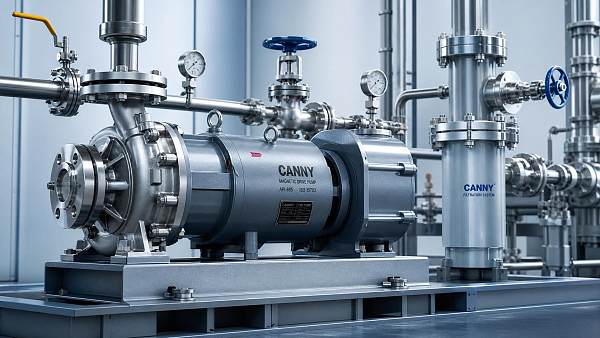
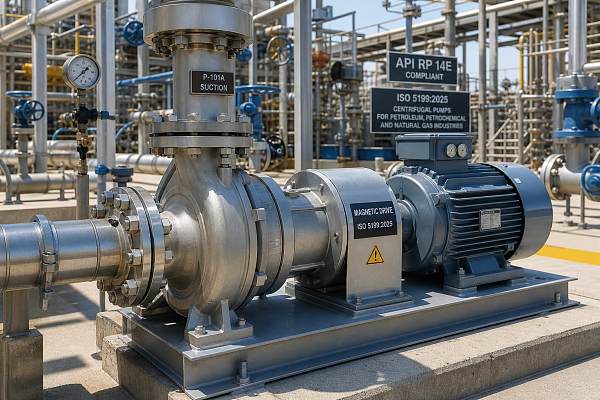
On June 30, 2026, Saudi Aramco updated its vendor qualification requirements for magnetic drive pumps, making compliance with API RP 14E and ISO 5199:2025 an immediate condition for participation. The change is especially relevant to pump manufacturers, authorized distributors in the GCC region, and companies involved in petrochemical EPC tender preparation, because suppliers lacking valid third-party audit reports against both standards will be excluded from upcoming Q4 2026 tenders.
What Has Changed in the Vendor Qualification Framework
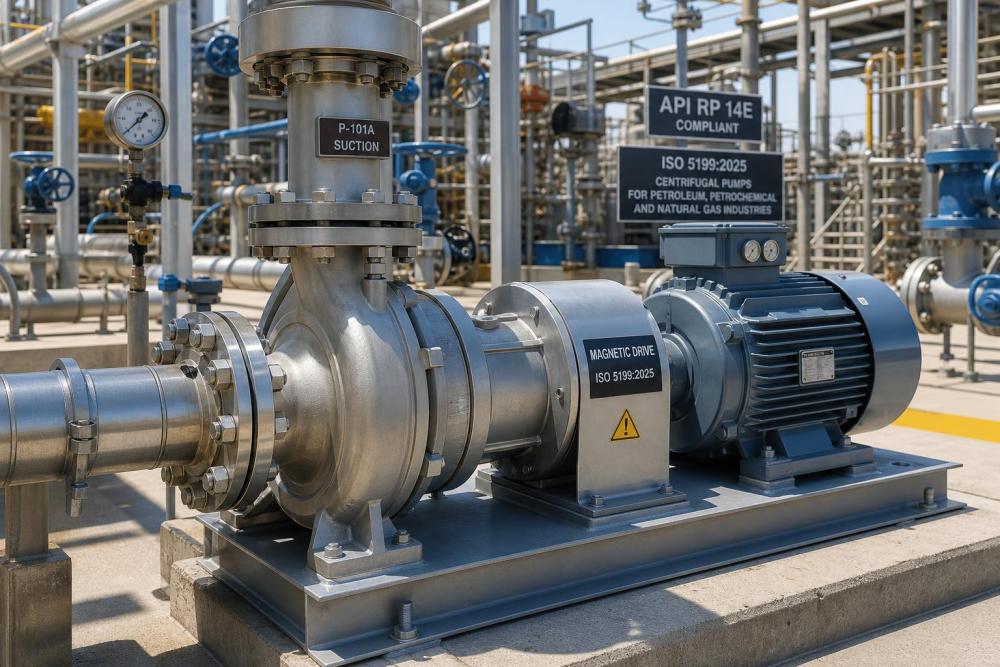
According to the provided information, Saudi Aramco has revised its mandatory vendor list criteria for magnetic drive pumps with immediate effect. The updated requirement calls for full compliance with API RP 14E, which relates to erosion control, and ISO 5199:2025, which concerns centrifugal pumps for chemical process industries.
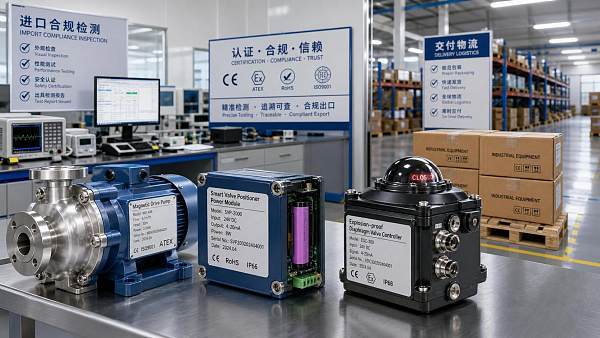
The confirmed requirement is not limited to self-declaration. Suppliers must hold valid third-party audit reports covering both standards. The stated consequence is clear: vendors without those audit reports will be excluded from Q4 2026 petrochemical EPC tenders.
The scope of impact identified in the source information includes global pump manufacturers and their authorized distributors operating in the GCC region.
Where the Commercial Impact May Appear First
Tender access for manufacturers
From an industry perspective, the most immediate effect may fall on manufacturers that supply magnetic drive pumps into Aramco-linked project channels. The reason is straightforward: qualification now depends on documented compliance with two named standards, and the business impact is concentrated at the bid-entry stage rather than only at final technical review.
What deserves closer attention is whether current product lines and audit documentation are already aligned with both requirements. For affected suppliers, the issue is not only technical conformity, but whether proof of conformity is ready in a form acceptable for tender screening.
Distributor exposure in the GCC market
Authorized distributors in the GCC region may also face near-term pressure because their sales pipeline can depend on the qualification status of the brands they represent. Analysis shows that even where distributors are not the original manufacturers, they may still be affected in quotation activity, customer communication, and tender documentation support.
The practical concern here is visibility: distributors will need to confirm which represented product ranges remain eligible and which may face interruption if third-party audit reports are incomplete or outdated.
Procurement and EPC bid preparation
For procurement teams and EPC participants, the update may reshape supplier shortlists for Q4 2026 petrochemical tenders. Observably, the requirement introduces a sharper compliance filter earlier in the procurement cycle.
The business impact may therefore appear in prequalification reviews, approved vendor checks, documentation collection, and bid schedule planning. Companies involved in sourcing decisions should pay attention to whether shortlisted vendors can demonstrate compliance before tender deadlines become binding.
What Companies Should Be Checking Now
Whether existing audit reports actually cover both standards
Analysis shows that the central issue is not broad claims of quality compliance, but valid third-party audit reports specifically aligned with API RP 14E and ISO 5199:2025. Companies should therefore distinguish between general certification records and the exact audit evidence referenced by the updated rule.
The timing gap between immediate enforcement and Q4 tenders
What deserves closer attention is the timing structure of this update. The rule is described as effective immediately, while exclusion is tied to upcoming Q4 2026 petrochemical EPC tenders. That makes document readiness and internal coordination a current issue rather than a later one.
How qualification status is communicated across channels
Manufacturers and authorized distributors should pay attention to how qualification information is presented to customers, tendering parties, and channel partners. In practice, inconsistent communication on audit status can create avoidable risk during pre-bid clarification and vendor screening.
Whether further official wording changes emerge
Observably, this kind of vendor-list revision can require follow-up monitoring even after the main rule is announced. Companies should continue checking whether any additional official clarification appears on scope, documentation format, or implementation details, because those points can affect how the rule is applied in live tenders.
How This Update Should Be Read at This Stage
As an editorial observation, this development is more than a routine administrative adjustment because it links technical compliance directly to market access in an identifiable tender window. At the same time, it should not be overstated as a full-market conclusion beyond the facts provided.
It is more appropriate to understand this as a near-term compliance signal with possible longer-term implications. The immediate result described in the source is exclusion from specified upcoming tenders for suppliers lacking the required audit reports. The broader industry meaning still depends on how consistently the requirement is applied and whether similar qualification expectations spread further across related procurement channels.
Why the Market Will Keep Watching This
The significance of this update lies in the fact that vendor qualification, standards compliance, and third-party audit evidence are now directly connected in a way that can affect tender participation for magnetic drive pumps. For the companies named or implied in the affected chain, the issue is less about abstract standards policy and more about practical eligibility.
At this stage, the most balanced reading is that the change represents an actionable procurement requirement with immediate relevance, and also a signal worth monitoring for its wider influence on supplier qualification practices in the GCC petrochemical project market.
Basis of This Article and What Still Needs Verification
This article is based on the user-provided news title, event date, and event summary concerning Saudi Aramco's updated vendor qualification requirements for magnetic drive pumps. For this type of industry development, commonly relevant source categories may include official company notices, enterprise announcements, industry association updates, authoritative media reports, and standards organization documents.
No specific official source link was provided in the input, so the exact original publication path remains to be continuously verified. Follow-up attention should focus on any additional official clarification regarding implementation details, audit documentation expectations, and tender-stage application in Q4 2026 petrochemical EPC procurement.
Related News
 EU Extends Food Contact Rules to Pump Seal PartsFluid Dynamics ScientistEU food contact rules now cover pump seal parts. Learn how Regulation (EU) 2026/1382 affects FKM/FFKM magnetic drive pumps, EN 13130-1 testing, EU exports, and compliance planning.
 Aramco Sets Magnetic Drive Pump Rule for New RefineriesFluid Dynamics ScientistAramco Sets Magnetic Drive Pump Rule for New Refineries: learn how the SAES-H-100 update reshapes refinery procurement, supplier qualification, and API 685 compliance from October 2026.
 When to Specify Corrosion Resistant Pumps API 685Fluid Dynamics ScientistCorrosion resistant pumps API 685 become essential when leakage risk, hazardous fluids, and lifecycle costs outweigh standard sealed options. Learn when to specify them with confidence.
 Singapore Fast-Tracks Magnetic Drive Pump ApprovalFluid Dynamics ScientistSingapore fast-tracks magnetic drive pump approval under the NEA GreenTech Scheme, speeding ASEAN and Middle East exports with customs priority and 15% grant support.
 Aramco Tightens Magnetic Drive Pump Vendor RulesFluid Dynamics ScientistAramco Tightens Magnetic Drive Pump Vendor Rules: learn how API RP 14E and ISO 5199:2025 compliance now affects Q4 2026 tender access, GCC distributors, and EPC bidding readiness.
 Nickel Spike Lifts Magnetic Drive Pump CostsFluid Dynamics ScientistNickel Spike Lifts Magnetic Drive Pump Costs as nickel volatility drives 8–10% higher new-order prices and 16–18 week lead times. See how buyers and suppliers should respond now.
 India Tightens Battery Checks for Pump ImportsFluid Dynamics ScientistIndia Tightens Battery Checks for Pump Imports: learn how BIS battery capacity verification, QR traceability, and longer customs timelines will impact pump shipments, compliance, and delivery planning.
 HANNOVER MESSE 2027 Tightens Green Entry for Chinese Magnetic Drive Pump ExhibitorsFluid Dynamics ScientistHANNOVER MESSE 2027 updates rules for Chinese magnetic drive pump exhibitors: ISO 14067 carbon footprint and green factory proof now decide entry. Learn the deadline, risks, and buyer impact.
 Hannover Messe 2027 Sets Green Filing DeadlineFluid Dynamics ScientistHannover Messe 2027 sets a June 30 green filing deadline for Chinese magnetic drive pump exhibitors. Learn the TÜV SÜD, ISO 14067, RoHS3 and recycled content rules before booth eligibility is at risk.
 Hannover Messe 2027 Pre-Sales Open With Focus on Magnetic Drive PumpsFluid Dynamics ScientistHannover Messe 2027 pre-sales open with Magnetic Drive Pumps in focus. Learn about API 685:2024 advantages, booth subsidies, buyer matching priority, and the August 31, 2026 deadline.
![]() EU Tightens Screening for Key Fluid EquipmentFluid Dynamics ScientistEU Tightens Screening for Key Fluid Equipment: learn how new EU FDI rules affect magnetic drive pumps, SWRO high-pressure pumps, and chemical process pumps, with compliance and delivery impacts.
EU Tightens Screening for Key Fluid EquipmentFluid Dynamics ScientistEU Tightens Screening for Key Fluid Equipment: learn how new EU FDI rules affect magnetic drive pumps, SWRO high-pressure pumps, and chemical process pumps, with compliance and delivery impacts. EPA VOC Rule Drives Shift to Sealless Magnetic PumpsFluid Dynamics ScientistEPA VOC rule is accelerating demand for sealless magnetic pumps. Learn how zero-leakage compliance, certification, and procurement shifts will impact chemical and pharmaceutical projects.