Nickel Spike Lifts Magnetic Drive Pump Costs




On June 28, 2026, a sharp jump in LME nickel futures quickly moved from the metals market into the magnetic drive pump supply chain. For manufacturers, buyers, and project teams working with stainless steel pump housings based on UNS S32205 and S32750 duplex grades, the immediate concern is no longer only raw material volatility, but how that volatility is already affecting quotations, delivery commitments, and near-term sourcing decisions.
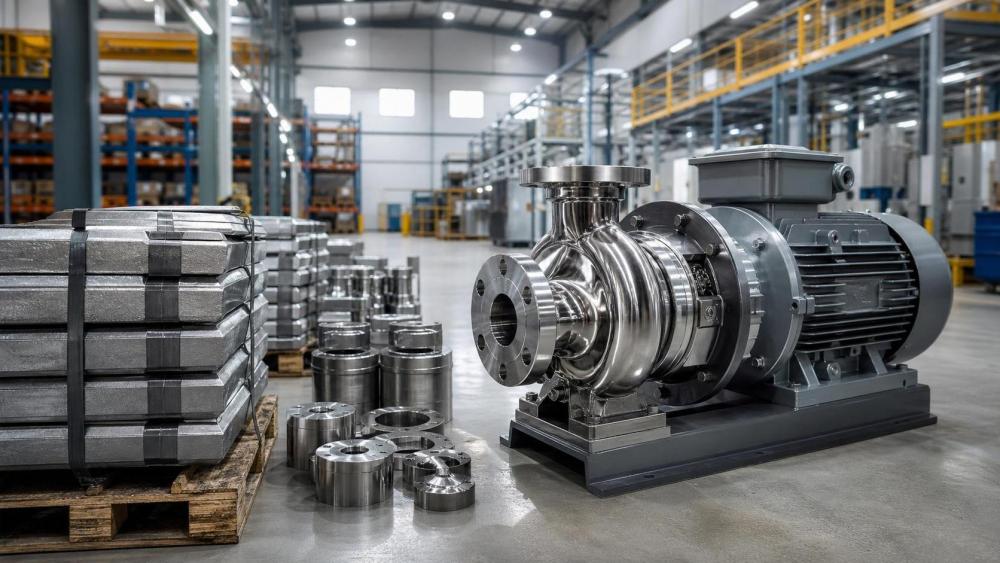
How the price move reached pump quotations
Confirmed information shows that LME nickel futures rose 12.3% intraday on June 28, 2026, reaching their highest level since 2023. The reported drivers were tighter export controls in Indonesia and mine shutdowns in the Philippines.
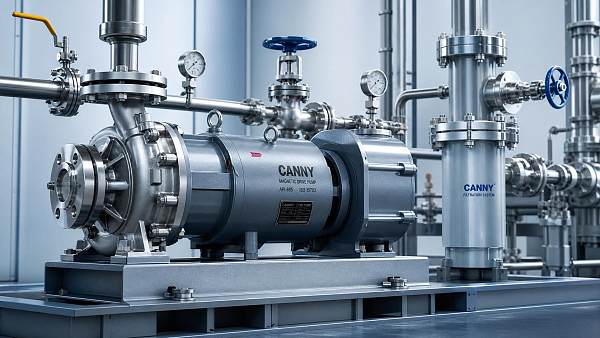
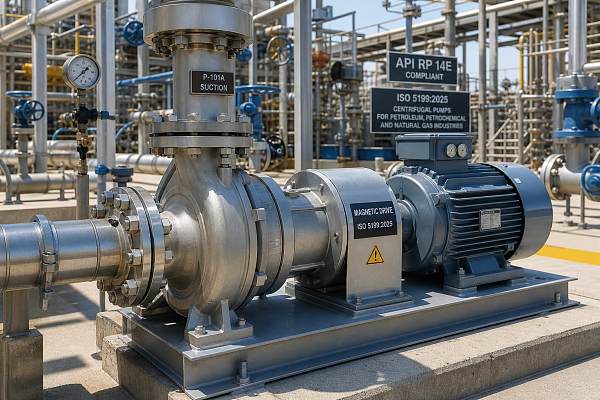
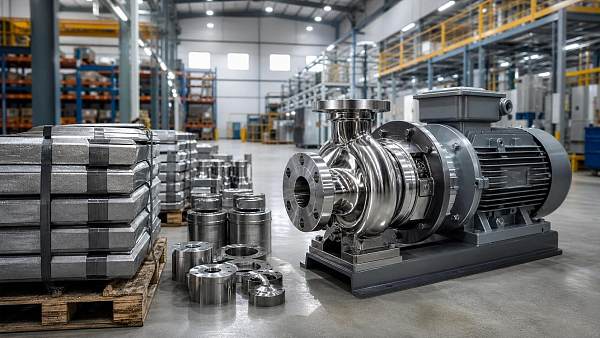
Nickel is a key input for the duplex stainless steels UNS S32205 and S32750 used in the core housing structure of Magnetic Drive Pumps. From June 28 onward, mainstream domestic pump makers raised housing costs by 8-10% for newly accepted orders. Average lead times also moved from 12 weeks to 16-18 weeks. In parallel, several leading manufacturers have started validation work on alternative alloy processes.
Where the impact is likely to appear first
Pressure on raw material and component purchasing
From an industry perspective, procurement teams are among the first to feel the effect because nickel moves directly into the cost base of duplex stainless steel housings. The main impact is likely to appear in new quotations, material booking schedules, and the timing of purchase decisions for orders not yet locked.
Manufacturing schedules face longer order conversion cycles
For pump manufacturers and processing operations, the confirmed extension of average delivery time from 12 weeks to 16-18 weeks points to pressure on production planning and order sequencing. What deserves closer attention is whether quoted lead times remain stable across newly signed orders and whether material availability begins to affect delivery promises beyond the housing segment.
Project buyers may see cost and schedule adjustments at once
For industrial buyers and downstream project teams, the impact is likely to show up in two linked areas: higher equipment pricing and a longer wait for delivery. This matters most where procurement decisions depend on fixed budgets, installation windows, or tightly phased project schedules.
Supply chain service providers need to watch timing risk
Distributors, sourcing intermediaries, and delivery coordinators may face greater timing risk as price changes and extended lead times reach order execution. The practical issue is less about a single market move and more about how quickly quote validity, material confirmation, and shipment planning need to be updated.
What companies should monitor now
Track whether pricing changes remain limited to new orders
Analysis shows that the current confirmed impact is tied to new orders accepted from June 28. Companies should pay close attention to how suppliers define the boundary between existing commitments and newly quoted business, because that distinction will shape contract execution and customer communication.
Review exposure in duplex stainless housing demand
Businesses with immediate demand for Magnetic Drive Pumps using UNS S32205 or S32750 housings should focus on open purchase plans, pending approvals, and projects that have not yet secured supply. The core issue is whether exposure sits in spot purchasing, rolling demand, or time-sensitive project procurement.
Watch the practical implications of alloy substitution work
Several leading manufacturers have begun validating alternative alloy processes. Observably, this does not yet mean substitution has become a confirmed market outcome. What deserves closer attention is whether validation remains a technical contingency measure or develops into a broader sourcing response with direct effects on specifications, qualification, and customer acceptance.
Prepare for tighter delivery and communication requirements
For sales, procurement, and contract management teams, the extension to 16-18 weeks means delivery communication needs to be more precise. Companies should closely monitor supplier confirmation cycles, order acceptance language, and any changes in lead-time commitments tied to material availability.
Why this matters beyond a one-day market move
Analysis shows that this development should not be read only as a commodity price headline. The more important point is that nickel volatility has already been transmitted into pump housing quotations and delivery timing within the same day. That makes the event meaningful for operational planning, not just for market observation.
At the same time, it is more appropriate to understand this as an industry signal that still requires continued verification, rather than as a fully settled long-term shift. The confirmed facts show immediate pricing and lead-time pressure, while the broader consequences for alloy choices, order structures, and supply stability still need to be watched.
How this update is best understood
For the magnetic drive pump market, the June 28 nickel surge is best viewed as a short-term shock with clear near-term business effects and possible longer-tail implications for materials strategy. The direct results already visible are higher housing costs for new orders and longer average delivery times. The larger industry meaning lies in how quickly raw material disruption is now feeding into equipment execution conditions.
A neutral reading is warranted. The current facts confirm cost and lead-time pressure, but they do not yet confirm a lasting structural reset across the full market. For now, this is best understood as an active supply-chain development that deserves close follow-up.
Basis of this report and points for follow-up
This article is based on the user-provided news title, event date, and event summary. The confirmed information used here is limited to the reported June 28, 2026 nickel price surge, the stated causes related to Indonesia and the Philippines, the reported 8-10% housing cost increase for new orders, the extension of average lead times to 16-18 weeks, and the start of alternative alloy process validation by several leading manufacturers.
For reporting of this type, relevant source categories typically include official announcements, company statements, industry association updates, authoritative media coverage, and standard or specification documents. A specific official source link was not provided in the input, so further verification remains necessary. Follow-up attention should focus on any updated supplier statements, changes in order terms, and whether alloy substitution efforts move from validation into actual market use.
Related News
 EU Extends Food Contact Rules to Pump Seal PartsFluid Dynamics ScientistEU food contact rules now cover pump seal parts. Learn how Regulation (EU) 2026/1382 affects FKM/FFKM magnetic drive pumps, EN 13130-1 testing, EU exports, and compliance planning.
 Aramco Sets Magnetic Drive Pump Rule for New RefineriesFluid Dynamics ScientistAramco Sets Magnetic Drive Pump Rule for New Refineries: learn how the SAES-H-100 update reshapes refinery procurement, supplier qualification, and API 685 compliance from October 2026.
 When to Specify Corrosion Resistant Pumps API 685Fluid Dynamics ScientistCorrosion resistant pumps API 685 become essential when leakage risk, hazardous fluids, and lifecycle costs outweigh standard sealed options. Learn when to specify them with confidence.
 Singapore Fast-Tracks Magnetic Drive Pump ApprovalFluid Dynamics ScientistSingapore fast-tracks magnetic drive pump approval under the NEA GreenTech Scheme, speeding ASEAN and Middle East exports with customs priority and 15% grant support.
 Aramco Tightens Magnetic Drive Pump Vendor RulesFluid Dynamics ScientistAramco Tightens Magnetic Drive Pump Vendor Rules: learn how API RP 14E and ISO 5199:2025 compliance now affects Q4 2026 tender access, GCC distributors, and EPC bidding readiness.
 Nickel Spike Lifts Magnetic Drive Pump CostsFluid Dynamics ScientistNickel Spike Lifts Magnetic Drive Pump Costs as nickel volatility drives 8–10% higher new-order prices and 16–18 week lead times. See how buyers and suppliers should respond now.
 India Tightens Battery Checks for Pump ImportsFluid Dynamics ScientistIndia Tightens Battery Checks for Pump Imports: learn how BIS battery capacity verification, QR traceability, and longer customs timelines will impact pump shipments, compliance, and delivery planning.
 HANNOVER MESSE 2027 Tightens Green Entry for Chinese Magnetic Drive Pump ExhibitorsFluid Dynamics ScientistHANNOVER MESSE 2027 updates rules for Chinese magnetic drive pump exhibitors: ISO 14067 carbon footprint and green factory proof now decide entry. Learn the deadline, risks, and buyer impact.
 Hannover Messe 2027 Sets Green Filing DeadlineFluid Dynamics ScientistHannover Messe 2027 sets a June 30 green filing deadline for Chinese magnetic drive pump exhibitors. Learn the TÜV SÜD, ISO 14067, RoHS3 and recycled content rules before booth eligibility is at risk.
 Hannover Messe 2027 Pre-Sales Open With Focus on Magnetic Drive PumpsFluid Dynamics ScientistHannover Messe 2027 pre-sales open with Magnetic Drive Pumps in focus. Learn about API 685:2024 advantages, booth subsidies, buyer matching priority, and the August 31, 2026 deadline.
![]() EU Tightens Screening for Key Fluid EquipmentFluid Dynamics ScientistEU Tightens Screening for Key Fluid Equipment: learn how new EU FDI rules affect magnetic drive pumps, SWRO high-pressure pumps, and chemical process pumps, with compliance and delivery impacts.
EU Tightens Screening for Key Fluid EquipmentFluid Dynamics ScientistEU Tightens Screening for Key Fluid Equipment: learn how new EU FDI rules affect magnetic drive pumps, SWRO high-pressure pumps, and chemical process pumps, with compliance and delivery impacts. EPA VOC Rule Drives Shift to Sealless Magnetic PumpsFluid Dynamics ScientistEPA VOC rule is accelerating demand for sealless magnetic pumps. Learn how zero-leakage compliance, certification, and procurement shifts will impact chemical and pharmaceutical projects.