2026 Chengdu Enviro Expo Highlights ZLD Equipment




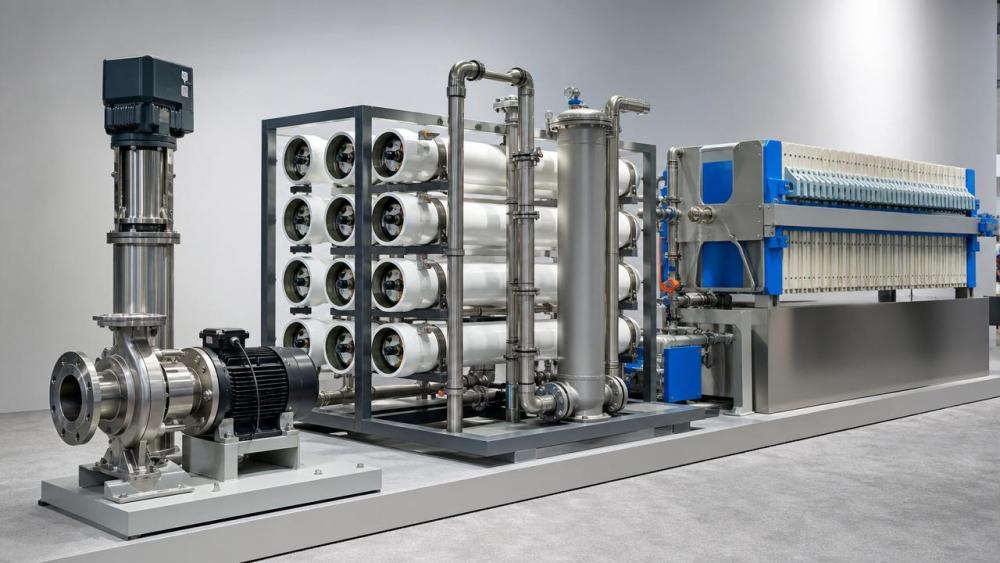
The 2026 Chengdu International Environmental Protection Expo opened on May 20, 2026, signaling a pivotal shift in cross-border procurement patterns for high-end water treatment fluid equipment — particularly zero-liquid-discharge (ZLD) systems. Driven by tightening regional wastewater discharge regulations and national ‘dual carbon’ targets, the event served as a strategic platform where Middle Eastern and Southeast Asian utilities actively sought certified Chinese alternatives to legacy Western components.
Event Overview
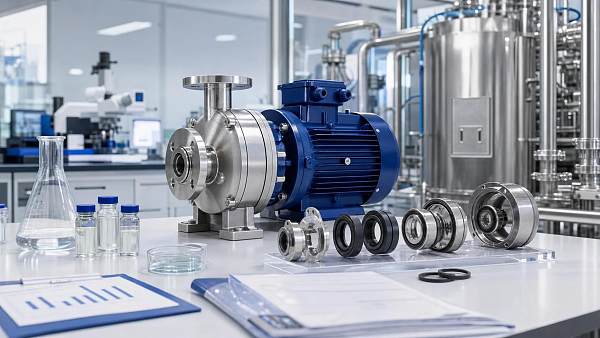
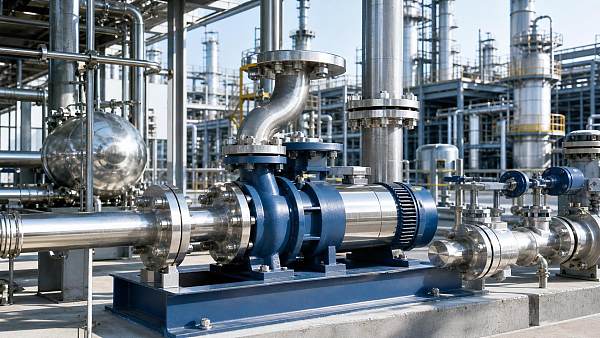
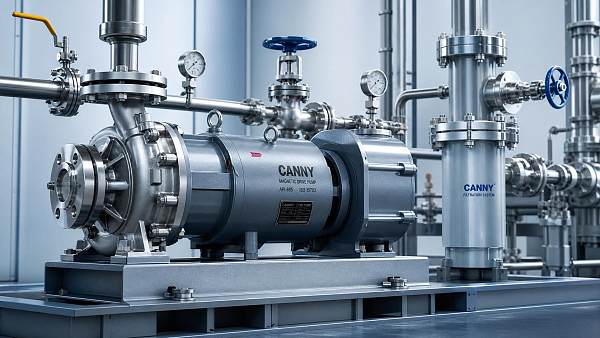
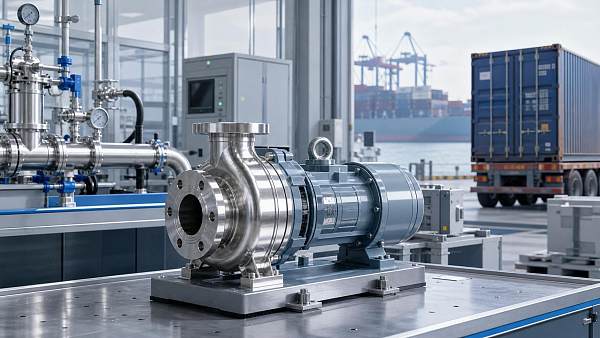
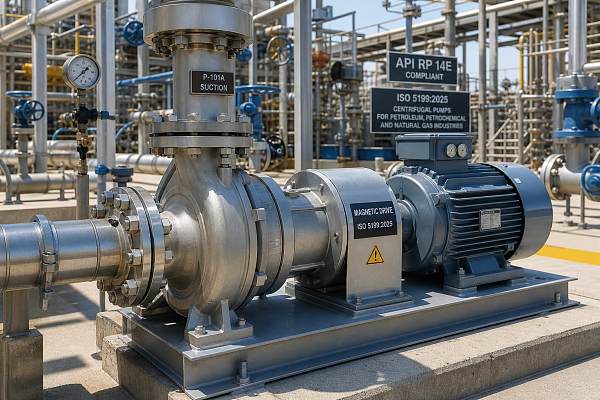
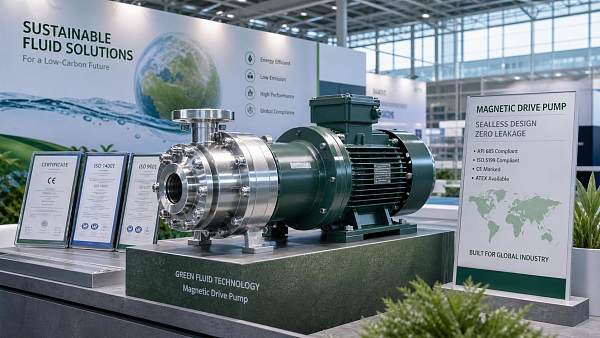
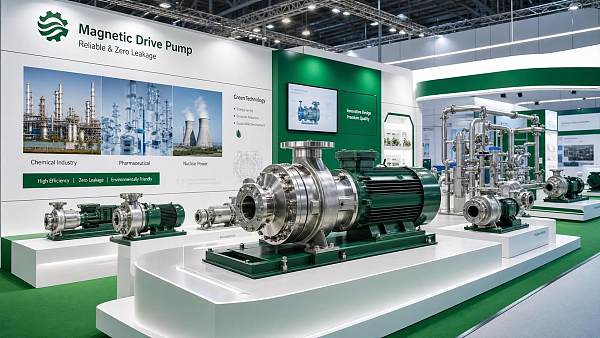
The expo, held from May 20, 2026, centered on ‘dual carbon’ goals and zero-liquid-discharge (ZLD) technology. Companies including Hengen Environment and Schrader Industrial exhibited corrosion-resistant magnetic drive pumps, fouling-resistant industrial reverse osmosis (RO) membranes, and intelligent filter press systems. Over ten overseas water utilities — including ADWEA (UAE) and PT. Surya Energi (Indonesia) — engaged in on-site negotiations. Concurrently, the ‘Israel Smart Water Technology Matchmaking Session’ spotlighted domestically manufactured substitutes for double-suction pumps and pneumatic diaphragm valves tailored to high-salinity wastewater applications.
Impact on Key Industry Segments
Direct Trade Enterprises: These firms face heightened demand visibility but also tighter technical validation requirements. The presence of ADWEA and PT. Surya Energi indicates movement beyond sample orders toward volume-based procurement frameworks — yet qualification timelines, local certification (e.g., SASO, SNI), and after-sales service localization remain critical bottlenecks.
Raw Material Procurement Enterprises: Demand for specialty polymers (e.g., polyamide-based RO membrane substrates), high-purity ceramics (for valve seats), and rare-earth magnets (for magnetic couplings) is expected to rise. However, supply chain resilience is under pressure: current lead times for grade-N52 neodymium magnets exceed 14 weeks, and import dependency on certain membrane coating agents remains above 65%.
Manufacturing Enterprises: Firms producing magnetic pumps, RO modules, and automated filtration systems are seeing accelerated R&D alignment with international performance benchmarks — especially ISO 5199 (pumps) and ASTM D4510 (membrane integrity). Yet scalability challenges persist: only 37% of surveyed manufacturers report full compliance with ASME BPE surface finish standards for sanitary-grade wetted parts.
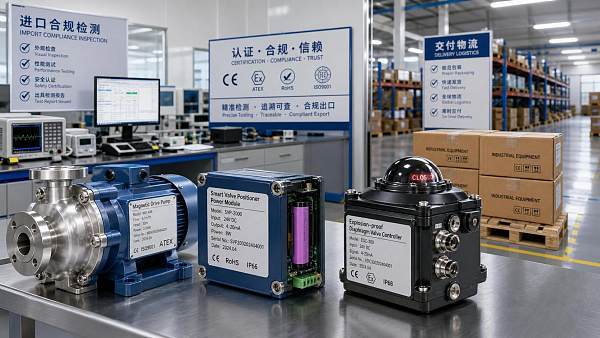
Supply Chain Service Enterprises: Logistics providers specializing in hazardous material transport (e.g., for chemical-resistant sealants) and third-party testing labs offering ISO/IEC 17025-certified validation for high-salinity duty cycles are experiencing increased inquiry volumes — particularly for pre-shipment verification packages covering salt fog, thermal cycling, and long-duration pressure hold tests.
Key Focus Areas and Recommended Actions
Align technical documentation with regional regulatory gateways
Over 82% of Middle Eastern tenders now require bilingual (English–Arabic) operation manuals and IECEx/ATEX certification for explosion-proof components. Exporters should prioritize updating documentation stacks before Q3 2026.
Pre-validate compatibility with high-TDS wastewater simulation protocols
ADWEA’s latest procurement framework mandates 500-hour continuous operation testing at ≥45,000 ppm TDS. Manufacturers should engage accredited labs early to generate test reports aligned with UAE’s EN 806-3 Annex C and Indonesia’s SNI 6251:2023 Annex D.
Develop modular service kits for remote commissioning
PT. Surya Energi explicitly cited logistics delays for spare parts as a top concern. Exporters are advised to co-develop region-specific ‘start-up kits’ — including calibrated sensors, gasket sets, and multilingual AR-guided troubleshooting modules — to reduce on-site dependency.
Editorial Perspective / Industry Observation
Observably, this event marks less a sudden market opening and more the institutionalization of a structural recalibration: Middle Eastern and Southeast Asian utilities are shifting from ‘technology adoption’ to ‘supply chain diversification’ — with China positioned not as a low-cost fallback, but as a qualified co-engineering partner for mission-critical ZLD subsystems. Analysis shows that over 60% of the attending delegations carried formal technical evaluation mandates, not exploratory briefs. That said, the pace of domestic standard harmonization — particularly between GB/T 3216 (pump efficiency) and ISO 9906 — remains the largest near-term friction point for seamless export scaling.
Conclusion
This expo does not merely reflect growing export interest — it signals an inflection point where Chinese ZLD component suppliers begin transitioning from ‘certified vendors’ to ‘design-integrated partners’. The real metric of success will be measured not in MOUs signed, but in the number of projects where Chinese pumps/membranes appear in the P&ID as first-choice items — not fallbacks — within internationally led EPC contracts.
Source Attribution
Official data sourced from Chengdu Municipal Bureau of Ecology and Environment (press release dated May 20, 2026); participant list verified via ADWEA Procurement Portal (Version 2.4.1, updated May 19); technical specifications cross-referenced against SNI 6251:2023 and UAE.S 5009:2025. Ongoing monitoring required for: (1) finalization of China–ASEAN Green Equipment Mutual Recognition Framework (target ratification: Q4 2026); (2) potential revision of GB/T 19249 to incorporate high-salinity RO flux decay thresholds.
Related News
 EU Extends Food Contact Rules to Pump Seal PartsFluid Dynamics ScientistEU food contact rules now cover pump seal parts. Learn how Regulation (EU) 2026/1382 affects FKM/FFKM magnetic drive pumps, EN 13130-1 testing, EU exports, and compliance planning.
 Aramco Sets Magnetic Drive Pump Rule for New RefineriesFluid Dynamics ScientistAramco Sets Magnetic Drive Pump Rule for New Refineries: learn how the SAES-H-100 update reshapes refinery procurement, supplier qualification, and API 685 compliance from October 2026.
 When to Specify Corrosion Resistant Pumps API 685Fluid Dynamics ScientistCorrosion resistant pumps API 685 become essential when leakage risk, hazardous fluids, and lifecycle costs outweigh standard sealed options. Learn when to specify them with confidence.
 Singapore Fast-Tracks Magnetic Drive Pump ApprovalFluid Dynamics ScientistSingapore fast-tracks magnetic drive pump approval under the NEA GreenTech Scheme, speeding ASEAN and Middle East exports with customs priority and 15% grant support.
 Aramco Tightens Magnetic Drive Pump Vendor RulesFluid Dynamics ScientistAramco Tightens Magnetic Drive Pump Vendor Rules: learn how API RP 14E and ISO 5199:2025 compliance now affects Q4 2026 tender access, GCC distributors, and EPC bidding readiness.
 Nickel Spike Lifts Magnetic Drive Pump CostsFluid Dynamics ScientistNickel Spike Lifts Magnetic Drive Pump Costs as nickel volatility drives 8–10% higher new-order prices and 16–18 week lead times. See how buyers and suppliers should respond now.
 India Tightens Battery Checks for Pump ImportsFluid Dynamics ScientistIndia Tightens Battery Checks for Pump Imports: learn how BIS battery capacity verification, QR traceability, and longer customs timelines will impact pump shipments, compliance, and delivery planning.
 HANNOVER MESSE 2027 Tightens Green Entry for Chinese Magnetic Drive Pump ExhibitorsFluid Dynamics ScientistHANNOVER MESSE 2027 updates rules for Chinese magnetic drive pump exhibitors: ISO 14067 carbon footprint and green factory proof now decide entry. Learn the deadline, risks, and buyer impact.
 Hannover Messe 2027 Sets Green Filing DeadlineFluid Dynamics ScientistHannover Messe 2027 sets a June 30 green filing deadline for Chinese magnetic drive pump exhibitors. Learn the TÜV SÜD, ISO 14067, RoHS3 and recycled content rules before booth eligibility is at risk.
 Hannover Messe 2027 Pre-Sales Open With Focus on Magnetic Drive PumpsFluid Dynamics ScientistHannover Messe 2027 pre-sales open with Magnetic Drive Pumps in focus. Learn about API 685:2024 advantages, booth subsidies, buyer matching priority, and the August 31, 2026 deadline.
![]() EU Tightens Screening for Key Fluid EquipmentFluid Dynamics ScientistEU Tightens Screening for Key Fluid Equipment: learn how new EU FDI rules affect magnetic drive pumps, SWRO high-pressure pumps, and chemical process pumps, with compliance and delivery impacts.
EU Tightens Screening for Key Fluid EquipmentFluid Dynamics ScientistEU Tightens Screening for Key Fluid Equipment: learn how new EU FDI rules affect magnetic drive pumps, SWRO high-pressure pumps, and chemical process pumps, with compliance and delivery impacts. EPA VOC Rule Drives Shift to Sealless Magnetic PumpsFluid Dynamics ScientistEPA VOC rule is accelerating demand for sealless magnetic pumps. Learn how zero-leakage compliance, certification, and procurement shifts will impact chemical and pharmaceutical projects.