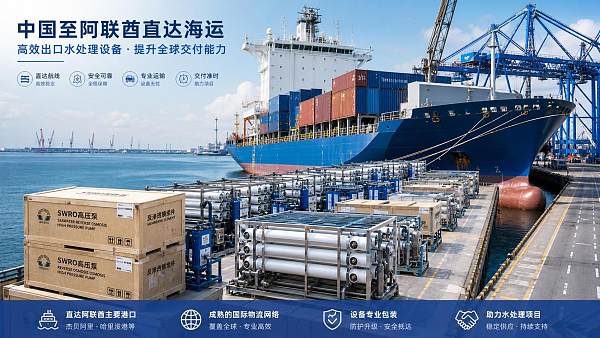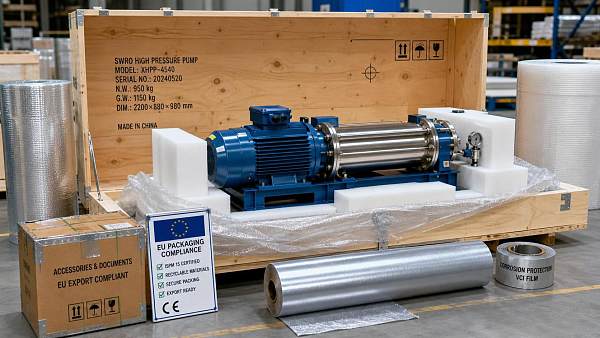




A notice dated May 1, 2026 highlights a major adjustment under Article 93 of the newly revised Maritime Law of the People’s Republic of China, with the headline indicating implementation on June 1. The change shifts primary responsibility for unclaimed cargo at the port of discharge from the consignee to the shipper. Exporters, Chinese suppliers operating under FOB or LCF terms, and companies shipping high-value equipment such as SWRO high-pressure pumps and magnetic pumps should pay close attention because the adjustment may affect cargo control risk, port demurrage exposure, and international logistics responsibility allocation.
Event Overview
According to the provided information, Article 93 of the newly revised Maritime Law of the People’s Republic of China has been adjusted in relation to liability for unclaimed cargo at the port of discharge. The reported change moves the responsibility framework from the previous “consignee bears responsibility” approach to a “shipper bears primary responsibility” approach.
The event date provided is May 1, 2026, while the headline states that the revised Maritime Law will take effect on June 1. The currently available information focuses on the liability shift for unclaimed cargo and its relevance to exporters, Chinese suppliers under FOB or LCF terms, and exporters of high-value equipment, including complete units of SWRO high-pressure pumps and magnetic pumps.
No additional official interpretation, implementation guidance, or case-based enforcement details are included in the provided information. Therefore, any practical impact assessment should be understood as industry analysis rather than a confirmed enforcement outcome.
Which Segments May Be Affected
Direct Export Trading Companies
Direct exporters may be affected because the revised liability framework places the shipper in the primary position when cargo remains unclaimed at the discharge port. From an industry perspective, this may increase the importance of reviewing shipping documents, consignee arrangements, and commercial terms before cargo is loaded.
The main impact may appear in cargo control risk and unexpected port-related costs. For exporters that release goods before confirming the buyer’s ability or willingness to take delivery, unclaimed cargo could create a more direct liability exposure under the revised framework.
Chinese Suppliers Under FOB or LCF Terms
Chinese suppliers operating under FOB or LCF terms are specifically identified in the provided information as a group that may face greater attention to title-of-goods risk and port detention costs. These suppliers may not always control the full international transport chain, yet the revised rule highlights the shipper’s primary responsibility when cargo is not collected.
Analysis shows that such companies should distinguish between contractual allocation of costs and statutory responsibility in maritime transport. Even where the buyer arranges parts of the shipment, the shipper’s role in the bill of lading and related documents may become more sensitive in unclaimed cargo situations.
High-Value Equipment Manufacturers and Exporters
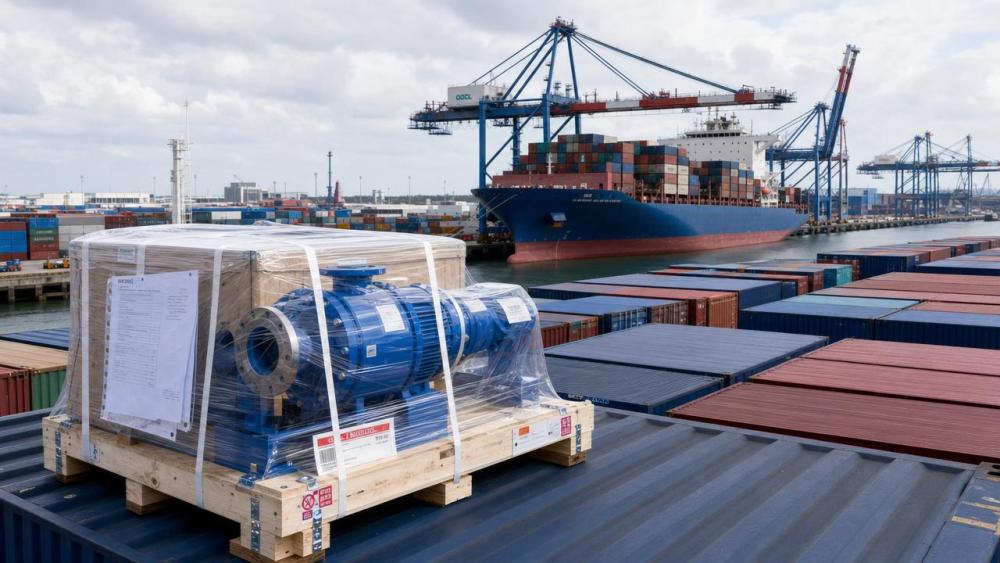
Manufacturers and exporters of high-value complete equipment, including SWRO high-pressure pumps and magnetic pumps, may be affected because the commercial value and storage cost of such cargo can be significant. If goods are not picked up at the destination port, the financial exposure may be more material than for lower-value or easily resold products.
From an industry angle, the impact is not limited to freight cost. It may also involve cargo ownership arrangements, delayed project delivery, buyer default risk, and the practical difficulty of redirecting or disposing of specialized equipment after arrival at the discharge port.
International Logistics and Supply Chain Service Providers
Supply chain service providers, freight forwarders, and logistics coordinators may be affected because customers are likely to request clearer explanations of shipper responsibility, document handling, and unclaimed cargo procedures. The revised framework may make pre-shipment communication more important.
Observably, logistics service providers may need to help trading parties clarify who is listed as shipper, how the consignee is identified, and what procedures apply if the destination party refuses or fails to take delivery. This does not change the need for official interpretation, but it increases the practical value of accurate documentation and risk reminders.
Key Points to Watch and Practical Responses
Verify the Effective Date and Follow Official Clarifications
Companies should first verify the final effective date and the official wording of Article 93 through authoritative channels. The provided information includes a May 1, 2026 event date and a headline referring to June 1 implementation, so enterprises should avoid relying only on secondary summaries when adjusting contracts or shipping procedures.
Current attention should focus on whether further official explanations clarify how “shipper bears primary responsibility” will be applied in practice, especially in cases involving non-collection, refusal of delivery, or disputes over cargo title.
Review Shipping Documents Before Cargo Loading
Exporters should review the shipper, consignee, notify party, and cargo description fields in shipping documents before loading. This is especially relevant for FOB or LCF transactions where the buyer may influence the shipping arrangement but the exporter may still appear as shipper in transport documents.
From an industry perspective, document consistency may become a practical risk-control point. If the party named as shipper is exposed to primary responsibility for unclaimed cargo, companies should avoid treating bill of lading details as a routine administrative matter.
Reassess High-Value Equipment Export Risk
Exporters of SWRO high-pressure pumps, magnetic pumps, and other high-value industrial equipment should reassess destination delivery risk before shipment. This includes confirming the buyer’s collection arrangements, payment status, and ability to clear or receive goods at the discharge port.
Analysis shows that specialized equipment shipments may require more careful pre-shipment checks because unclaimed cargo can create port storage exposure and complicate recovery, resale, or return arrangements.
Align Contract Terms With Logistics Responsibility
Relevant companies should review whether their sales contracts, payment arrangements, and shipping instructions clearly address unclaimed cargo scenarios. This does not mean companies can override statutory rules, but clearer contractual arrangements may reduce disputes between sellers, buyers, and logistics participants.
Current more practical preparation includes adding internal review steps for transactions involving higher-value cargo, unfamiliar buyers, or destination markets where collection uncertainty is considered higher by the company’s own risk assessment.
Editorial View / Industry Observation
Observably, this revision is more than a narrow legal wording change for maritime transport. It sends a signal that shippers may need to assume a more active role in managing destination delivery risk, even when commercial terms allocate certain logistics responsibilities to the buyer.
Analysis shows that the change is already meaningful as a compliance and risk-management signal, but its full business impact will depend on official interpretation and actual implementation practice. Companies should not treat it as a confirmed increase in every shipment cost, but they should also not ignore the possibility of greater exposure when cargo is not collected at the discharge port.
From an industry angle, the most important point is the shift in attention from “who should collect the cargo” to “who may bear primary responsibility if the cargo is not collected.” This distinction is particularly relevant for exporters and manufacturers shipping high-value equipment internationally.
Conclusion
The revised Maritime Law’s reported adjustment to Article 93 gives exporters, FOB or LCF suppliers, equipment manufacturers, and logistics service providers a concrete reason to recheck how cargo responsibility is allocated before shipment. For sectors involving SWRO high-pressure pumps, magnetic pumps, and other high-value equipment, the issue is especially relevant because unclaimed cargo may lead to meaningful port and cargo-control risks.
At this stage, the development is best understood as a significant legal and operational signal rather than a fully measurable market outcome. Companies should respond with document review, contract alignment, and closer monitoring of official clarification, while avoiding unsupported assumptions about enforcement details.
Information Source Statement
Main source: Provided industry information on the newly revised Maritime Law of the People’s Republic of China and Article 93 regarding unclaimed cargo liability at the port of discharge.
Items requiring continued observation: official confirmation of the effective date, detailed interpretation of shipper primary responsibility, and practical implementation in export shipping and international logistics disputes.